Last Updated: September 7, 2026
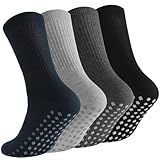
- Top Pick: Non Slip Grip Socks for Men Women Crew Grippy Socks for Hospital Elderly
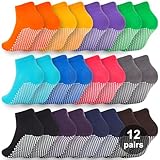
- Best Value: ZAKASA Non Slip Grip Socks: Grippy Socks Men Women Hospital Elderly
- Premium Choice: Yebing Non Slip Hospital Socks for Women with Grips Fuzzy Cozy Anti Skid Slipper Socks Winter Warm Soft Fluffy Sleep Socks 5 Pairs Non Slip Rainbow A
Prevent Slips and Falls at Home With Non-Slip Socks
Falls on smooth floors are a leading cause of injury among seniors, and standard socks or bare feet on hardwood, tile, or laminate surfaces dramatically increase that risk. Non-slip socks for elderly users feature rubberized grips on the sole that provide traction on slippery floors, reducing the risk of falls during daily movement around the home. They are especially important in the bathroom, kitchen, and on stairs.
Beyond safety, quality grip socks are comfortable for all-day wear, breathable, and available in stylish designs that seniors will actually want to put on. Many are also suitable as hospital or rehab socks, making them useful during recovery stays.
As an Amazon Associate we earn from qualifying purchases at no extra cost to you.



1. Pembrook Non Skid Slipper Socks
Pembrook’s grip socks are a consistently top-rated choice for seniors. They feature full-coverage rubber grips on both the sole and the top of the foot, providing traction in both directions — important for those who may kick their feet up on a recliner. Made from a soft cotton blend, they are machine washable and available in multiple sizes and colors.
2. Tavi Noir Grip Socks for Women
Tavi Noir offers premium grip socks with a fashion-forward design that seniors who care about appearance will appreciate. The grippy sole pattern is strategically placed at heel and ball of foot for optimal traction. Made from soft bamboo-cotton blend for breathability and moisture management, they are ideal for warm or warm-prone feet.
3. DIABETIC SOCK CLUB Non-Slip Diabetic Socks
For seniors managing diabetes, these non-binding diabetic socks with non-slip grips are an essential combination. The seamless toe construction prevents irritation, the wide non-binding cuff does not restrict circulation, and the rubberized sole grips provide safety on smooth floors. Available in crew and ankle styles in multiple colors and sizes.
Buying Guide: What to Look for in Senior Grip Socks
- Grip coverage: Full-sole grip is safer than spot grips, especially for shuffling gaits.
- Top-of-foot grip: Useful for recliner users whose feet may press against a footrest.
- Material: Cotton or bamboo blends are soft and breathable for all-day wear.
- Cuff tightness: Non-binding cuffs are essential for seniors with circulation issues or diabetes.
- Seams: Seamless toes prevent pressure points and blisters on sensitive feet.
- Washability: Machine-washable is a must for daily-use socks.
- Size range: Ensure the sizing covers your shoe size for a proper fit without bunching.
Choosing Grip Socks That Actually Prevent Slips
Not all gripper socks offer the same protection. The traction comes from the rubber or silicone grippers on the sole, and full-sole coverage outperforms socks that place grippers only at the toe and heel, because it keeps the foot secure no matter how weight shifts during a step or a turn. Look for a dense, well-bonded gripper pattern rather than thin printed dots that wear away in the wash. Fit is equally critical: a non-binding top keeps the sock in place without squeezing the leg, while a sock that is too loose can slide down or bunch underfoot and become its own hazard. For seniors with swelling or sensitive skin, seamless toes and breathable, moisture-wicking fabric help prevent irritation and keep feet dry.
Daily Use and Care for Lasting Grip
Grip socks are an inexpensive, low-effort safety measure, but they need a little upkeep to stay effective. Inspect the soles regularly and retire any pair whose grippers have cracked, peeled, or worn smooth, since worn grippers offer a false sense of security. Wash them inside out in cool water and air dry or tumble on low, because high heat degrades the rubber over time. Keep several pairs in rotation so a clean, grippy pair is always available, and store them where they are easy to reach when getting dressed. Remember that gripper socks work alongside other fall-prevention steps, such as clearing clutter, improving lighting, and adding grab bars, rather than replacing them.
Building Grip Socks Into a Fall-Prevention Routine
Grip socks deliver the most value when they are part of a consistent daily habit rather than an afterthought. Keeping several pairs where the user gets dressed makes it easy to put a clean, grippy pair on first thing each morning, and storing them within easy reach avoids the temptation to walk in bare or smooth-soled feet. They pair naturally with other simple safety steps: clearing loose rugs and clutter from walking paths, brightening dim hallways and stairs, and adding grab bars in the bathroom. For seniors recovering from surgery or those in care settings, grip socks offer reassurance during the short, frequent trips that make up most of a day. Checking the soles each laundry day and retiring any worn pair keeps the protection genuine. Used this way, an inexpensive pair of socks quietly supports safer movement around the home.
Frequently Asked Questions
What makes grip socks effective at preventing slips?
Traction comes from rubber or silicone grippers on the sole. Full-sole coverage outperforms socks with grippers only at the toe and heel, because it keeps the foot secure no matter how weight shifts during a step.
How should grip socks fit?
They should be snug with a non-binding top that holds them in place without squeezing the leg. Socks that are too loose can slide down or bunch underfoot and become a hazard themselves.
How do I wash grip socks without ruining them?
Turn them inside out and wash in cool water, then air dry or tumble on low. High heat degrades the rubber grippers over time, so avoid hot drying.
When should I replace grip socks?
Retire any pair whose grippers have cracked, peeled, or worn smooth. Worn grippers give a false sense of security, so keep several fresh pairs in rotation.
Do grip socks replace other fall precautions?
No. They work alongside steps like clearing clutter, improving lighting, and installing grab bars. Think of them as one inexpensive layer of a broader fall-prevention plan.
Final Thoughts
Non-slip socks for elderly individuals are a simple, affordable safety measure that every senior household should have. They are especially valuable in the kitchen and bathroom where smooth floors combine with wet conditions. The three picks above cover standard grip socks, fashionable premium options, and diabetic-specific designs — choose based on your health needs and personal preference for style and material.
Related Reviews & Guides




Senior Book Page Holder Reading Stand Review

11 Best Night Light Sensors for Seniors: Safer Nighttime Navigation