Last Updated: November 27, 2026
As an Amazon Associate we earn from qualifying purchases.
A 10 inch lift is not a bigger version of a leveling kit. It is a full suspension redesign that changes steering geometry, driveline angles, brake line length and the size of tire the truck can carry, and the real decision is not which brand name sounds strongest. It is whether a given kit corrects everything the lift disturbs, or quietly leaves half of those corrections for you to discover and buy afterwards. At this height, the difference between a complete kit and an incomplete one is measured in extra parts, extra labor and a truck that either drives straight or wanders.
This guide is for truck and Jeep owners planning a genuine 10 inch build, whether the goal is clearance for very large tires, a show stance or a dedicated off-road setup. It explains how to judge kits by fitment, completeness and the corrections they include, and how to verify a listing before money changes hands. It is written as a buying guide rather than a product ranking, because true 10 inch kits are vehicle-specific systems sold in small numbers, and the checks below matter more than any single model name.
How to Choose
Start With Exact Fitment, Not Lift Height
Every lift kit is engineered around a specific vehicle: make, model, year range, cab and bed configuration, drive type and often engine weight. A kit built for one truck does not transfer to another that merely looks similar, and at 10 inches the tolerances are tighter because brackets, crossmembers and steering parts are all repositioned. Before comparing anything else, write down your vehicle’s exact specification and match it line by line against the fitment statement in the listing. Pay attention to exclusions buried in the notes, such as models with factory air suspension, specific trim packages or two-wheel-drive variants, because a kit that fits most versions of a truck may still exclude yours. If the listing’s fitment is vague, treat that as a failed check rather than a detail to settle after delivery, since returning a pallet of suspension parts is nobody’s idea of a good week.
Judge the Kit by What It Corrects
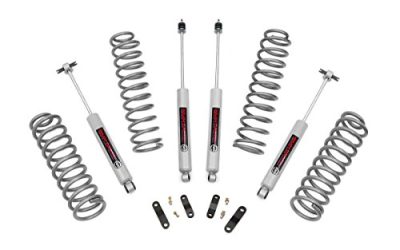
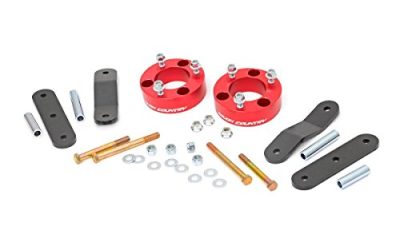
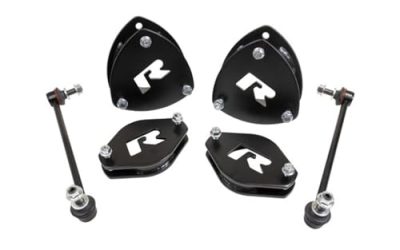
Raising a truck 10 inches disturbs systems that a small lift leaves alone, and a serious kit answers each disturbance. Steering needs correction so the truck tracks straight, which can involve a dropped pitman arm, raised steering linkage or support kits for known wear points on some platforms. Driveline angles change enough that longer or corrected driveshafts, or at least spacers and shims, enter the picture, particularly on four-wheel-drive trucks where the front shaft angle becomes steep. Brake lines need extension, and quality kits include longer lines rather than suggesting brackets that strain the originals. Work through the listing’s included-components list and ask, for each of steering, driveline, braking and sway control, what the kit does about it. Silence on any one of them means that cost and work land on you later.
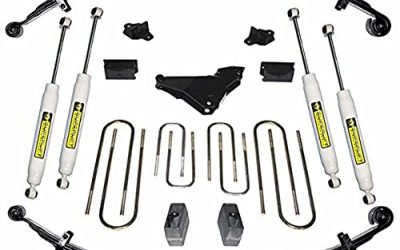
Shocks deserve the same scrutiny. A lift of this size changes the suspension’s working range completely, so the kit should include shocks valved and lengthened for the application, front and rear, rather than extensions that keep tired original dampers in service. Where a system offers upgraded shocks, such as remote reservoir units, the listing will say so, and that upgrade matters most for buyers who will actually use the travel the lift creates. A kit that is vague about its shocks is usually vague because the answer is ordinary, and ordinary dampers on a very tall truck make themselves known on the first long drive.
Understand Front and Rear Lift Are Different Numbers
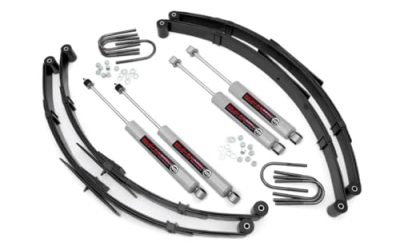
Kit marketing leads with the front lift figure, but the rear is usually lifted by a smaller amount to level the truck, since most trucks leave the factory with the rear already higher. A kit described as a 10 inch lift may combine 10 inch front components with a rear lift several inches lower, achieved through leaf springs, blocks and longer U-bolts, or a mix of both. Read the component list to see how the rear height is made: a full replacement leaf pack behaves differently from a tall block on the original springs, and very tall blocks alone are a compromise worth recognizing before you buy. Also note the tire guidance in the listing, because the maximum tire and wheel combination, including wheel width and backspacing, tells you what the finished truck can actually run without rubbing.
Plan the Whole Build, Not Just the Kit
The kit price is the beginning of a 10 inch build, not the total. Very large tires and wider wheels usually follow, and they bring their own costs in gearing, braking effort and fuel use. An alignment by a shop familiar with lifted trucks is essential, and installation itself is a major job involving crossmember work and, on some kits, cutting or drilling that makes the change effectively permanent. Driveshaft work, speedometer correction for the larger tires and possible fender trimming all belong in the plan. None of this argues against the build; it argues for entering it with the full list written down. A buyer who budgets for the complete job ends up with a finished truck, while a buyer who budgets for the box alone ends up with a project that sits.
Insurance, inspection and warranty paperwork belong on that same list. A lift of this size is a significant modification, and rules on bumper height, headlight height and tire coverage vary by state, so check your local requirements before the truck is built rather than at the first inspection. Tell your insurer about the modification, and if the truck is still under a factory warranty, understand which parts of that coverage a major suspension change may affect. None of these steps is difficult, but all of them are easier before the work than after it.
Which One Fits Your Situation
You Are Building a Show or Street Truck
Your priority is completeness and finish: a kit that includes the steering supports, extended brake lines and sway bar work that keep a tall street truck driving calmly at highway speed. Stance comes from the kit, but road manners come from the corrections, and at 10 inches those corrections are what passengers notice. Choose the kit whose included-components list answers the most questions without extra purchases, and favor systems that keep the truck level front to rear as supplied rather than needing rear additions later.
You Are Building for Off-Road Use
Ground clearance is only one part of your decision. Look at how the kit treats droop travel and articulation, whether the rear lift uses proper springs rather than only tall blocks, and what tire size the listing supports, since your tire choice is your real clearance. Remote reservoir or larger-body shocks appear in off-road-oriented systems because long rough tracks heat shocks in ways street driving does not. Also weigh the permanence of the installation: a kit that requires cutting crossmembers commits the truck, which matters less for a dedicated trail build than for anything you may later sell.
You Tow or Haul With the Truck
A 10 inch lift changes towing more than any other common modification. The hitch point rises, weight distribution behaves differently, and rear spring choices decide whether the truck squats or stays composed under load. If towing is non-negotiable, read the rear lift method with special care, favor spring-based lift over block-only lift, and accept that some manufacturers of tall kits advise against heavy towing altogether. That advice, where a listing gives it, is a genuine fitment limit for your situation and should steer you to a lower lift rather than being worked around.
You Are Buying for an Older Truck
Older platforms often have the widest kit choice, because years of production gave manufacturers time to develop complete systems, but they also hide wear that a lift exposes. Worn steering components, tired bushings and aging brake lines all become urgent once geometry changes. Budget for refreshing those parts alongside the kit, and check whether support components for known weak points on your platform are included or available. A complete kit on a worn truck still drives like a worn truck, only taller, so the inspection before ordering is part of the purchase.
Common Mistakes
- Ordering by lift height alone and discovering the kit’s fitment excludes your exact year, drive type or suspension package.
- Assuming the headline lift figure applies equally front and rear, when the rear is normally lifted less to level the truck.
- Ignoring driveline correction, then chasing vibration problems that a complete kit would have addressed from the start.
- Budgeting only for the kit and forgetting tires, wheels, alignment, possible driveshaft work and professional installation.
- Treating brake line extension as optional, when a tall lift can leave original lines strained at full suspension travel.
Frequently Asked Questions
Why are true 10 inch kits so much harder to find than smaller lifts?
Demand and engineering both narrow the field. Most owners lift between two and six inches, so manufacturers concentrate there, while a 10 inch system needs vehicle-specific crossmembers, steering correction and driveline answers that cost far more to develop for each platform. The result is a small number of specialist kits, often sold through dedicated truck shops rather than general marketplaces, which is why verifying fitment and completeness matters more than comparing long product lists.
Can I install a 10 inch lift kit at home?
It is a major installation rather than a weekend bolt-on. Expect crossmember work, possible cutting or drilling depending on the kit, heavy components, and the need for a proper alignment afterwards. Experienced builders with a lift, transmission jack and full tooling do complete such installs, but most owners use a specialist shop, and the labor belongs in the budget from the start rather than arriving as a surprise.
What tire size does a 10 inch lift allow?
The kit’s own listing is the authority, because clearance depends on the vehicle, the wheel width and the backspacing as much as on lift height. Complete systems for full-size trucks commonly state combinations in the region of 37 to 38 inch tires on wide wheels with specified backspacing. Treat any figure as conditional on that exact wheel specification, and expect possible trimming on some vehicles even within the stated combination.
Will a 10 inch lift change how the truck drives and tows?
Yes, in ways that should be planned rather than discovered. The center of gravity rises, steering feel changes, braking distances grow with much larger tires, and towing geometry shifts enough that some tall-kit makers limit or advise against heavy towing. A complete kit with proper steering and driveline correction keeps the truck composed, but it will not drive like the stock vehicle, and choosing the lift means accepting that trade with open eyes.
Related Reviews & Guides

Best Bed Rails for Seniors 2026: 7 Top Picks

Best 3-Inch Lift Kits: A Buying Guide (December 2026)