Last Updated: October 7, 2026
The best bonsai pots for indoor trees are shallow, unglazed or partially glazed ceramic pots with at least one large drainage hole plus smaller wire holes, sized so the pot is about 2/3 the height of the tree and 1 to 2 inches wider than the root spread on each side.
For indoor growing, the pot matters more than it does outdoors. Indoors you have lower light, lower air circulation, and dry heated air, so a pot that holds too much soil or traps water will keep roots wet for days and invite root rot. A pot that is too small, too deep, or completely sealed without drainage does the opposite – it dries unevenly and stresses tropical species like Ficus, Jade, or Chinese Elm that make up most indoor bonsai.
How to Choose the Right Size: Pot Dimensions vs. Tree Size
Indoor bonsai should look proportionate but also leave just enough soil to buffer water without staying soggy. Use the tree itself as your ruler, not the decorative look alone.
- Length: For upright trees, pot length should be roughly 2/3 the height of the tree. A 12-inch tall Ficus should sit in an 8-inch long oval or rectangle.
- Width and Depth: Depth should be roughly equal to the diameter of the trunk just above the roots. A tree with a 1.5-inch trunk needs about 1.5 to 2 inches of soil depth. Cascading or semi-cascading styles break this rule and need a deeper pot to anchor the weight.
- Clearance: Leave 1 to 1.5 inches between the outer root ball and the inside wall of the pot on all sides. Less than 0.75 inches makes repotting difficult and dries out too fast indoors. More than 2 inches keeps soil wet in the center where you cannot see it.
Indoor Bonsai Pot Size Guide
Measurements are for the inside dimensions of the pot. Always measure the root spread after light root pruning, not the canopy.
| Tree Size (Height) | Trunk Diameter | Recommended Pot (L x W x D) | Soil Volume (Approx.) | Best For Indoors |
|---|---|---|---|---|
| Small / Shohin (6-8 in) | 0.5 – 1 in | 4 – 5 x 3 – 4 x 1 – 1.5 in | 0.25 – 0.4 quarts | Humidity tray required, dries in 1-2 days |
| Medium (9-14 in) | 1 – 2 in | 6 – 9 x 5 – 7 x 1.5 – 2.5 in | 0.6 – 1.2 quarts | Most forgiving size for indoor Ficus, Jade, Fukien Tea |
| Large Indoor (15-20 in) | 2 – 3 in | 10 – 12 x 8 – 9 x 2.5 – 3.5 in | 1.5 – 2.5 quarts | Needs sturdy table; pot alone weighs 4-7 lbs before soil |
| Mame (Under 6 in) | Under 0.5 in | 2.5 – 3.5 x 2 – 3 x 0.75 – 1 in | 0.1 – 0.2 quarts | Not ideal for beginners indoors, needs daily watering |
For indoor display on furniture, add the practical footprint: a medium 8-inch oval pot with a humidity tray will occupy about 11 x 9 inches on a table. In a small apartment, that is nearly half the depth of a typical 18-inch deep console or windowsill. Allow at least 4 to 6 inches of clearance from walls or curtains for air circulation and to avoid moisture marks on paint.
Drainage and Humidity: What Indoor Trees Actually Need
Drainage is non-negotiable indoors. Without wind and strong sun, soil stays wet longer, so the pot must help it dry at a healthy rate.
- Drainage holes: Look for one large oval hole (at least 0.75 to 1 inch diameter) for every 4 to 5 inches of pot length, plus 2 to 4 small wire holes near the rim for anchoring the tree. A 8-inch rectangular pot should have two large drainage holes. Single small center holes clog easily with fine akadama or indoor potting mixes.
- Feet: Raised feet (0.25 to 0.5 inches high) create an air gap so water exits freely and air reaches the roots. Flat-bottomed pots trap a film of water on a saucer and keep the bottom roots wet.
- Humidity trays vs. cachepots: Indoors, relative humidity often drops to 20-30% in winter when 40-60% is better for tropical bonsai. A shallow humidity tray filled with pebbles and water (with the pot sitting on the pebbles, not in the water) raises local humidity without waterlogging roots. A glazed cachepot or outer decorative pot without drainage should never be used as the primary pot; water pools invisibly at the bottom.
- Mesh screens: Use stainless or plastic mesh over drainage holes. Without it, soil washes out and the holes seal against a saucer.
Material and Glaze: Trade-Offs for Indoor Health and Presentation
Material controls how fast soil dries, how stable the temperature is, and how the tree looks. Indoors, where overwatering is the most common killer, porous unglazed walls are usually an advantage.
| Material | Water Behavior | Weight & Durability Indoors | Glaze Notes | Usually $ Price Range (Pot Only) |
|---|---|---|---|---|
| Unglazed Stoneware / Tokoname-style Ceramic | Breathable, dries evenly, reduces root rot risk | Heavy and stable, 2-6 lbs for medium pot; chip-resistant but can crack if dropped | Natural matte earth tones, highlights evergreen foliage and bark | usually $25–$70 for 6-8 in |
| Glazed Ceramic | Retains moisture longer, good for moisture-loving Fukien Tea, less ideal for Jade | Same weight as unglazed, easy to wipe clean | Full glaze stays wet longer; interior-un-glazed + exterior-glazed is best for indoors | usually $30–$80 for 6-8 in |
| Unglazed Terracotta (Training Pot) | Very porous, dries fastest, needs more frequent watering | Lightest ceramic, fragile and can develop white mineral bloom indoors | Rarely glazed, inexpensive for development, not as refined for display | usually $10–$30 for 6-8 in |
| Mica / Synthetic Composite | Non-porous like plastic, retains water | Very light (0.5-1 lb), frost and drop resistant, looks less refined up close | Mimics stone, good for large indoor trees where weight on furniture matters | usually $15–$40 for 8-10 in |
| Plastic / Nursery Training Pot | Non-porous, easy to overwater indoors | Lightest, best for early development, poor presentation | No glaze, flexible, can deform under heavy soil | usually $5–$15 |
Avoid metal and unsealed concrete for year-round indoor use. Metal heats and cools quickly near windows and can burn fine roots, while raw concrete leaches lime and alters soil pH.
Which Glaze for Which Tree?
- Unglazed brown, gray, or muted earth tones: Best for conifer-like indoor trees such as Podocarpus or pines wintered indoors, and for aged Ficus with heavy bark. Does not compete with the tree.
- Light glazed pots (cream, pale blue, celadon): Works for flowering or fruiting indoor trees like Fukien Tea or Dwarf Jade with bright green leaves. Glaze reflects light and brightens a dim corner.
- Dark glazed pots (deep blue, burgundy, black): Strong contrast for trees with white flowers or light-colored trunks, but shows water spots and dust faster under indoor lighting.
Decision Matrix: Pick by Your Situation
Indoor conditions vary more than outdoor ones. Match the pot to your space and habits rather than copying a display photo.
| Your Situation | Recommended Pot Type | Why |
|---|---|---|
| Small apartment, limited windowsill (under 6 in deep), dry heated air | 5-6 in unglazed stoneware oval, 1.5 in deep, with humidity tray | Shallow oval fits narrow sills, unglazed walls prevent soggy soil when you cannot provide strong airflow |
| Kids and pets, high traffic, risk of tipping | Low, wide mica or heavy stoneware rectangle, 8-10 in long, feet + wire holes to anchor tree | Low center of gravity reduces tipping; anchoring wires keep tree stable if bumped; mica will not shatter like thin ceramic |
| Renter, must protect wood furniture and avoid stains | Glazed ceramic with feet + deep saucer or humidity tray at least 2 in larger than pot | Feet prevent ring marks; glazed outer surface will not leach moisture through the bottom; tray catches fine soil wash |
| Beginner who tends to overwater | Unglazed stoneware or terracotta, slightly smaller than you think you need, with 2 large drainage holes | Porous clay and extra drainage forgive frequent watering; smaller soil volume dries within 2-3 days indoors |
| Beginner who forgets to water | Glazed ceramic, interior partially glazed, 0.5 in deeper than standard | Holds moisture 1-2 days longer without staying wet at the bottom; still needs drainage holes |
| Large Ficus or Fiddle-leaf style bonsai over 18 in tall on floor stand | 12-14 in heavy stoneware rectangle, 3-3.5 in deep, weight 6-9 lbs empty | Needed to counterbalance top weight; check stand weight limit is usually 40-60 lbs total with wet soil |
Placement, Weight, and Moving Realities Indoors
An indoor bonsai pot is part of your furniture arrangement, so plan for weight and moisture like you would for any houseplant.
- Loaded weight: A 10-inch stoneware pot with akadama/pumice/lava mix and a tree weighs 10 to 14 lbs when watered. The same size in wet organic potting soil can reach 15 to 18 lbs. Verify that floating shelves or thin console tables rated for 15 to 20 lbs will not sag.
- Doorway and moving: Repotting indoors means carrying the pot to a sink or balcony. Pots over 10 inches do not fit through narrow utility sinks easily, and wet clay is slippery. Place a rubber mat under humidity trays if you slide them for watering.
- What wears first: On indoor pots, the first failure is usually chipped rims from bumping during watering, followed by white mineral crust on unglazed clay if you have hard tap water. Using rainwater or distilled water and wiping the rim reduces buildup. Glazed pots show hairline crazing over years if moved frequently between warm rooms and cold window areas.
- Drainage routine: Water thoroughly until water runs freely from the bottom, then empty the saucer or tray within 15 to 20 minutes. Never let an indoor pot sit with its feet submerged.
Common Mistakes to Avoid Indoors
- Choosing a deep cascade pot for an upright tree to add soil volume. Deep soil stays wet at the bottom while the top looks dry, causing shallow roots to dry and deep roots to rot.
- Using a beautiful sealed bowl or repurposed ceramic dish with no holes. You can drill a hole with a diamond bit, but most store-bought decorative bowls are too thin and crack.
- Putting a small Shohin pot directly on a heated floor or radiator cover. Bottom heat above 80°F dries roots in hours and cracks shallow pots.
- Oversizing the pot to avoid repotting. Indoor trees grow slower in winter; an oversized pot does not help it grow faster, it only increases the chance of overwatering.
Related Reviews & Guides

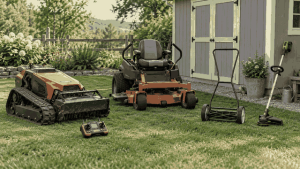
Best Remote Controlled Lawn Mower in 2026: How the Top Models Compare
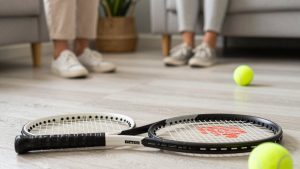
Best Tennis Racket Brands in 2026: How the Top Models Compare