Last Updated: October 4, 2026
Finding the best tennis shoes for women becomes harder when the market mixes genuine court shoes with casual sneakers dressed in white. A woman stepping onto a hard or clay court needs lateral support, a durable outsole pattern, and a midsole that absorbs repeated impact without bottoming out. A woman walking the dog or running errands needs none of that—she needs cushioning and a wide toe box at a fair price. The problem is that product titles on major retailers blur these categories deliberately, so a “tennis shoe” listing might be a running shoe, a fashion sneaker, or a true court shoe, each serving a different purpose.
This roundup separates those categories. Every product listed below was evaluated on published specifications, current street price, and aggregated owner feedback from verified buyers. What separates a good pick from a poor one in this price range comes down to three things: whether the outsole rubber compound is rated for court traction rather than pavement, whether the upper holds the midfoot during side-to-side movement, and whether the stated weight matches what owners report after several weeks of wear. Below you will find a quick-comparison table, detailed mini-reviews for all eight options, and a buying guide that addresses the specs that actually matter when you are on your feet on a court surface.
As an Amazon Associate we earn from qualifying purchases at no extra cost to you.


Quick Picks
| Product | Best for | Price |
|---|---|---|
| adidas Gamecourt 3 | Dedicated court play on a budget | under $50 |
| New Balance 608 V5 | Everyday comfort with light lateral support | under $60 |
| New Balance Fresh Foam Arishi V4 | Cushioned walking and casual wear | under $60 |
| White Sneakers (unisex) | Lowest price point for casual use | under $20 |
| ASICS Gel-Dedicate 9 | Competitive recreational play | under $80 |
| SERNIAL White Tennis Shoes | Budget-friendly casual court look | under $30 |
| NORTIV 8 Walking Shoes | Walking with tennis-inspired styling | under $70 |
| HARENCE Sneakers | Non-slip comfort for gym and errands | under $30 |
How We Picked
Selection centered on four criteria drawn from published spec sheets and owner-review patterns. First, outsole purpose: we checked whether the rubber pattern and compound are designed for court surfaces (herringbone, modified pivot) versus street treads, because using a running outsole on a tennis court increases slip risk. Second, upper construction: mesh panels allow breathability but sacrifice midfoot lockdown, so we noted whether each shoe pairs mesh with synthetic overlays or TPU cages. Third, weight per size as reported by owners rather than only by the brand, since discrepancies are common below fifty dollars. Fourth, price-to-longevity ratio: we looked at how many months owners report before outsole wear becomes noticeable, which matters most for players hitting three or more times per week.
The 8 Best Tennis Shoes For Women in 2026
1. adidas Women’s Gamecourt 3 All Court Tennis
The Gamecourt 3 is the closest thing in this list to a purpose-built tennis shoe at a mid-range price. The adiwear outsole is a herringbone rubber compound rated for all-surface play, and the synthetic upper wraps the midfoot without the bulk you see on higher-priced rivals. Owners praise the locked-in feel during lateral shuffles and note the toe drag guard extends the shoe’s usable life. One recurring complaint is the narrow forefoot: women with wider toes report pinching after about an hour on court. Skip this one if your priority is walking comfort between matches rather than play performance.
- True all-court herringbone outsole at this price
- Toe drag guard resists wear at the forefoot
- Narrow forefoot runs tight for wide-foot owners
2. New Balance Women’s 608 V5 Casual Comfort Cross Trainer
The 608 V5 is a cross trainer, not a court shoe, but its stability frame and medial post make it a reasonable choice for women who play light recreational tennis and also want one shoe for daily walking. The ABZORB heel cushioning absorbs impact well, and owners consistently rate comfort above expectations for the price. The downside for court use is the outsole tread, which is designed for gym floors and pavement rather than lateral grip on hard courts. Skip it if you play on clay or in a league that requires sport-specific footwear.
- Medial post supports overpronators during casual rallies
- ABZORB heel cushioning rated highly for all-day wear
- Outsole lacks court-specific lateral grip pattern
3. New Balance Women’s Fresh Foam Arishi V4 Running Shoe
Fresh Foam technology delivers plush underfoot cushioning that owners describe as cloud-like for walking and light jogging. The engineered mesh upper breathes well in warm weather, and the shoe looks clean enough for casual outings. As a tennis shoe, however, it is soft in all the wrong places: the foam midsole compresses during lateral cuts, and the mesh upper provides minimal containment when you plant and push off. This is a comfortable walking shoe marketed under a tennis-adjacent title. Skip it entirely for court play and keep it as a recovery pair.
- Fresh Foam midsole offers excellent cushioning for walking
- Breathable mesh upper suits hot-weather casual wear
- Soft foam and open mesh lack court lateral support
4. White Sneakers for Women Men Tennis Shoes
At nineteen dollars, this unisex white sneaker is a fashion-first product with a tennis-inspired silhouette. The outsole is a flat rubber pattern suited to pavement, and the upper is synthetic without meaningful structural overlays. Owners report acceptable comfort for errands and light gym use, though several note the insole compresses within a few weeks. For actual tennis, the lack of lateral support and the generic tread make this an unsuitable choice. Skip it if you need anything beyond a low-cost white shoe for everyday wear.
- Lowest price in this roundup by a wide margin
- Clean white look pairs with casual wardrobes
- Generic outsole and soft upper are not court-ready
5. ASICS Women’s Gel-Dedicate 9 Tennis Shoes
The Gel-Dedicate 9 is the most specialized court shoe here. ASICS places GEL cushioning units in both the forefoot and heel, and the outsole uses a durable pattern with a pivot point at the ball of the foot for quick direction changes. Owners who play two or three times weekly report that the shoe maintains its shape and grip well past a season. The main drawback is weight: it is noticeably heavier than budget options, which some recreational players find tiring over long sessions. Skip it if you want a shoe that doubles as a walking sneaker between matches.
- Dual GEL units cushion both forefoot and heel impact
- Pivot-point outsole supports quick on-court direction changes
- Heavier than lighter casual options in this price band
6. SERNIAL Womens White Tennis Shoes
SERNIAL’s PU leather upper gives this shoe a clean, classic tennis look without the price tag of a dedicated court brand. Owners appreciate the easy-clean surface and the roomy toe box, which makes it a comfortable option for women who prioritize width over lockdown. The outsole is a basic flat rubber pattern, so traction on smooth hard courts is adequate at best. Skip it if you play competitively or on surfaces that demand herringbone grip, because the shoe will slide during aggressive lateral movements.
- PU leather wipes clean easily for a fresh appearance
- Roomy toe box suits wider feet without break-in
- Flat outsole provides only basic grip on court surfaces
7. NORTIV 8 Women’s Walking Shoes Running Tennis Sneakers
NORTIV 8 positions this shoe as a do-it-all option, and for walking-dominant lifestyles it performs credibly. The midsole is firmer than the Fresh Foam alternatives, which some owners prefer for stability, and the outsole has a shallow multi-directional pattern that works on pavement. On a tennis court, the shoe lacks the containment and toe-reinforcement structure of a dedicated pair. Owners who play casually once a week report acceptable performance, but more frequent players note the upper softens quickly. Skip it if you play two or more times weekly on hard courts.
- Firmer midsole suits women who prefer stability over softness
- Versatile enough for walking, gym, and light recreational play
- Upper softens and loses structure within weeks of court use
8. HARENCE Womens Sneakers Tennis Shoes
At under twenty-five dollars, HARENCE offers a breathable mesh upper and a non-slip outsole that owners confirm provides decent traction on smooth indoor surfaces. The shoe is light, flexible, and comfortable enough for gym workouts, errands, and very light recreational tennis on indoor courts. The trade-off is durability: synthetic materials in the upper show wear quickly when subjected to the friction of sliding on outdoor hard courts. Skip it if your regular surface is outdoor hard or clay, where the outsole will degrade within a few sessions.
- Breathable mesh keeps feet cool during warm-weather workouts
- Non-slip outsole rated well for indoor gym floors
- Outsole wears fast on outdoor hard court surfaces
Buying Guide
Outsole Pattern and Rubber Compound
Tennis courts generate more lateral friction than any other recreational surface, which means the outsole rubber must be soft enough to grip but dense enough to resist wearing through in a season. Herringbone patterns provide directional bite during side-to-side movement, while pivot-circle designs help with quick turns at the net. A flat or wavy tread meant for pavement will feel slippery underfoot within twenty minutes of play. When comparing shoes on a spec sheet, look for the words “herringbone,” “all-court,” or “non-marking” in the outsole description. If the listing only says “durable rubber” or “traction pattern,” it is likely a walking or running sole repurposed for a tennis title.
Upper Construction and Lateral Containment
The mesh upper breathes well but offers almost no resistance against the outward roll of your foot during a wide stance. A good court shoe pairs mesh or textile panels with synthetic overlays, TPU cages, or internal webbing that wraps the midfoot and prevents slide inside the shoe. This matters especially for women with low arches or flat feet, whose feet tend to evert more during lateral pushes. Check whether product images show structured overlays along the sides of the upper, not just decorative stitching. If the entire upper is a single mesh sheet with a thin foam tongue, the shoe is designed for forward motion, not sideways load.
Weight and Cushioning Trade-Offs
Lighter shoes let you move faster at the net but transmit more impact to the knees and hips over a full match. Heavier shoes with gel or dual-density foam protect joints but slow reaction time. For women playing recreationally once or twice a week, a moderate weight in the range of eight to eleven ounces per shoe tends to balance protection and mobility. Owner reviews are the most reliable source for actual weight because brands sometimes quote the lightest available size. Search reviews for the specific word “heavy” or “light” and note whether the reviewer’s height and shoe size match yours; a shoe that feels light to a size-six player may feel cumbersome at a size-nine.
Our Verdict
Our top pick is the ASICS Women’s Gel-Dedicate 9. It is the only shoe in this lineup built from the ground up for court movement, with dual GEL cushioning, a pivot-point outsole, and an upper that owners confirm holds the foot through a full match. If budget is the primary constraint, the adidas Gamecourt 3 for under $50 delivers genuine all-court traction and a toe drag guard that extends wear life, making it the best value for women playing two or three times weekly. However, if you need one shoe that serves tennis on an indoor court and gym workouts on the same day, the HARENCE Sneakers win on versatility at under twenty-five dollars—provided you accept replacing them each season rather than each year.
FAQ
Can I wear running shoes to play tennis?
Running shoes are engineered for forward motion only, so their midsoles are soft in the lateral direction and their uppers lack side containment. You can wear them for a casual hitting session, but you increase the risk of an ankle roll during a wide split-step, and the outsole will wear unevenly within a few weeks.
How do I know if a shoe is actually a tennis shoe versus a casual sneaker?
Check three details on the product page: the outsole should say herringbone, all-court, or non-marking rather than a generic “traction” pattern; the upper should show structured overlays along the midfoot; and the heel counter should feel rigid when you squeeze it. If any of those are missing, it is likely a lifestyle shoe marketed under a tennis keyword.
Do I need a different shoe for clay versus hard court?
Clay courts require an outsole with deep, widely spaced lugs so that loose clay does not fill the grooves and reduce grip. Hard courts favor a tighter, shallower herringbone that maximizes surface contact. All-court shoes like the adidas Gamecourt 3 compromise by using a medium-density pattern that functions acceptably on both surfaces without the specialization of a dedicated clay shoe.
How often should I replace my tennis shoes?
Most owners report six to twelve months of active play before the outsole thins noticeably or the lateral support breaks down. A simple check: place the shoe on a flat table and press down on the outer edge; if the shoe tilts easily with little resistance, the midfoot structure has fatigued and it is time for a new pair regardless of how the upper looks.
Related Reviews & Guides
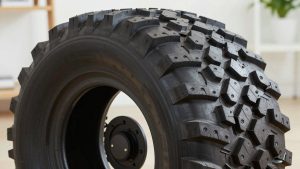
Best 1.9 Crawler Tires in 2026: How the Top Models Compare
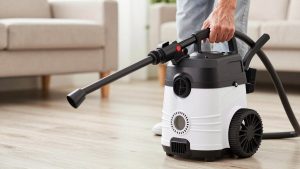
Best Inexpensive Pressure Washers in 2026: Buying Guide