Last Updated: September 27, 2026
Many older couples become each other’s caregivers without ever deciding to. One partner’s health declines, and the other steps in, often while managing their own aches, medications and limits. Spousal caregiving is intimate and deeply meaningful, but it also carries physical risks, like injuries from lifting, and emotional risks, like isolation and exhaustion. The right tools can protect both partners. This guide focuses on the equipment and technology that make caregiving safer for the caregiver as well as the person receiving care.
Quick answer: Our top pick in 2026 is the Getting out of bed — our #1 rated choice. See the full ranked comparison, alternatives and buying advice below.
Protecting the caregiver’s body
An older spouse helping a partner out of bed, off the toilet or out of a chair is at real risk of back injury or a fall. Lifting another adult is hard even for young professionals. Equipment that reduces lifting protects both people.
| Task | Tool | Typical cost | Benefit |
|---|---|---|---|
| Getting out of bed | Bed rail or assist handle, adjustable bed | $40–$150 (handle), $400+ (bed) | Partner can help themselves up |
| Standing from a chair | Lift chair, furniture risers | $30–$60 (risers), $600+ (lift chair) | Less pulling by the caregiver |
| Toilet transfers | Raised toilet seat with arms, safety frame | $35–$120 | Reduces lifting |
| Moving in bed | Slide sheet, transfer board | $20–$60 | Easier repositioning |
| Standing transfers | Gait belt, sit-to-stand aid | $15–$40 (belt), $150–$600 (aid) | Safer grip and support |
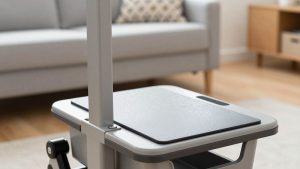
| Full lift | Patient lift (Hoyer-type) | $800–$3,000 | No manual lifting at all |
A physical or occupational therapist can show you how to use these tools safely. Ask for training during a hospital discharge or home health visit.
Safety tech for two older adults
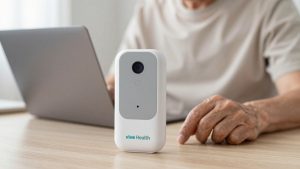
When both partners are older, a common worry is what happens if the caregiver falls or becomes ill. Medical alert devices for both partners, ideally with fall detection, address this. Some systems allow two wearable buttons on one base unit, which is cheaper than two separate subscriptions. Share the plan with adult children or neighbors so someone checks in if neither partner answers.
Monitoring at night
If the partner receiving care gets up at night, a bed-exit sensor or motion-activated light can wake the caregiver or light the path. Baby monitors or simple audio monitors let the caregiver rest in another room while still hearing their partner.
Managing two sets of medications
Couples often manage dozens of pills between them. Use separate, clearly labeled pill organizers in different colors. Pharmacy blister packs or synchronized refills can reduce trips. An automatic dispenser for the partner with complex regimens takes pressure off the caregiver’s memory.
Caring for the caregiver
Spousal caregivers are at high risk of depression, isolation and neglecting their own health. Keep your own doctor appointments. Respite care, adult day programs and in-home aides can give you breaks. Area Agencies on Aging often run caregiver support programs, and the National Family Caregiver Support Program funds respite in many areas.
Keeping the relationship
Caregiving can shift the relationship from partners to patient and nurse. Paid help with personal care tasks like bathing sometimes lets spouses stay spouses. Time together that is not about care, such as a meal, a show or a walk, matters. Many couples find it helps to name the change out loud and to keep small rituals, like morning coffee together, that belong to the marriage rather than to the illness.
Paying for equipment and help
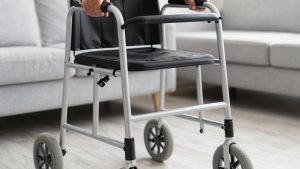
Medicare Part B covers some durable medical equipment, including patient lifts, hospital beds and walkers, when prescribed. Medicaid waivers may pay for home modifications, aides and sometimes spousal caregivers. Veterans may be eligible for caregiver support and equipment. Long-term care insurance policies often cover home care.
FAQ
How can I help my spouse stand up without hurting my back?
Use tools that reduce lifting, such as a gait belt, lift chair, raised toilet seat or sit-to-stand aid, and ask a physical therapist to teach safe techniques. If your partner cannot bear weight, a mechanical lift is safer than manual lifting.
What if I get sick and cannot care for my spouse?
Make a backup plan with family, friends or a home care agency, and wear a medical alert device yourself. Write down your spouse’s care routine so someone else can step in.
Bottom line
For spouses caring for each other, the most important tools reduce lifting and add a safety net for both partners. Get training from a therapist, use medical alerts for both of you, manage medications clearly and plan breaks to protect your own health and your relationship.
Ready to decide? Our #1 pick for 2026 is the Getting out of bed.
Live price & availability on Amazon.
Related Reviews & Guides
best medical alert system for diabetics
Best Hoyer Lift for Home Use 2026