Last Updated: October 4, 2026
Most people searching for the best continuous glucose monitors are not endocrinologists. They are adults over sixty who are tired of waking up at three in the morning to test a finger, or who want a grandchild or caregiver to check their numbers remotely from across the city. The core problem is simple: traditional finger-stick meters give you a snapshot, but diabetes management is about trends, and catching a spike early is the difference between a minor correction and a trip to the emergency room.
What separates a genuinely useful glucose monitor from a frustrating gadget comes down to three things across the specs we compared. First, accuracy matters more than any feature list, because a sensor that drifts will either alarm you constantly or miss a true high. Second, the app experience has to work for someone who does not consider themselves tech-savvy, which means large text, clear alerts, and a setup that does not require a support call. Third, wear time and replacement cost determine whether you will actually stick with the system after month two, when the novelty fades and the price of sensors becomes the real decision.
As an Amazon Associate we earn from qualifying purchases at no extra cost to you.

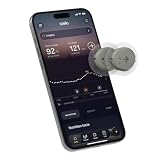


Quick Picks
| Product | Best for | Price |
|---|---|---|
| Dexcom G7 Sensor 10 Day Dev | Clinical-grade accuracy | n/a |
| Stelo Biosensor 2-Pack | OTC convenience and multi-sensor value | under $100 |
| Lingo CGM Single | Lowest-cost entry into CGM | under $50 |
| Lingo CGM 2-Pack | Steady users who want a buffer | under $100 |
| Lingo CGM 4-Pack | Long-term budget planning | under $200 |
| Stelo 2-Pack (second listing) | Slightly pricier Stelo variant | under $150 |
| Metene TD-4116 Kit | Traditional backup testing | under $40 |
| CareSens N 100-Strip Kit | Lowest per-test consumable cost | under $30 |
How We Picked
We evaluated every product on four criteria weighted for the senior-living audience. Sensor accuracy and reliability during the full wear window came first, because a monitor you cannot trust is worse than no monitor. Second was ease of application and app usability for older adults, including whether setup requires scanning, syncing, or a phone you are still learning to operate. Third was cost per day of use, because the sticker price of a two-pack matters far less than the monthly burn rate over a year. Fourth was data-sharing capability, which matters enormously if a caregiver or spouse needs to monitor remotely.
The 8 Best Continuous Glucose Monitors in 2026
Dexcom G7 Sensor 10 Day Dev
The Dexcom G7 is the reference standard when a doctor recommends continuous monitoring, and the ten-day variant tested here offers longer wear than most competitors. Its transmitters and sensors are known for consistent accuracy across the full wear window, which matters when you are dosing insulin based on the data. This is not an over-the-counter purchase for most users, and availability can vary by insurance plan.
- Pros: Exceptional accuracy that clinicians trust; ten-day wear reduces application frequency.
- Con: Price is not publicly listed and typically requires a prescription or insurance authorization.
Skip this if you want a no-prescription purchase or if you manage type 2 diabetes without insulin and a clinician has not specifically recommended Dexcom. For anyone on insulin therapy, it remains the benchmark.
Stelo Glucose Biosensor 2-Pack
Stelo is Abbott’s over-the-counter answer for people who want continuous data without a prescription. Each sensor lasts up to fifteen days, which is the longest wear time among the options on this list, and the two-pack gives you a full month of coverage. The companion app works on both iOS and Android, and the interface is deliberately simple.
- Pros: Fifteen-day wear per sensor is category-leading; no prescription required.
- Con: Not designed for insulin dosing decisions, so it is more of a lifestyle tool than a clinical one.
Skip this if your doctor needs the data format for treatment adjustments. For curiosity-driven management and general awareness, it is the best value in the OTC space.
Lingo Continuous Glucose Monitor (CGM) Single
At under fifty dollars, this is the cheapest way to try continuous glucose tracking. Lingo pairs sensor wear with a companion app that offers personalized insights and food-reaction feedback. The single unit lets you test whether the concept fits your routine before committing to a multi-pack.
- Pros: Lowest entry price of any CGM listed here; useful coaching-style app feedback.
- Con: Single-pack value per day is worse than the multi-packs, making it a trial option only.
Skip this if you plan to use CGM long-term, because the two- and four-packs offer better pricing. Buy it if you want to test the water with minimal financial risk.
Lingo Continuous Glucose Monitor 2-Pack
The two-pack is where Lingo becomes genuinely practical. At just over forty-eight dollars per sensor, you get a full replacement cycle and the same coaching app. For someone who wears each sensor for ten to fourteen days depending on placement, this gives roughly a month of coverage at a price that undercuts every Stelo option on this list.
- Pros: Strong value per sensor; app-driven food and activity insights add educational depth.
- Con: Lingo’s sensor accuracy and data export options are less established than Dexcom or Stelo.
Skip this if you require FDA-cleared dosing data or need to share readings with a medical provider through a formal portal. For self-directed wellness tracking, it is a sensible middle ground.
Lingo Continuous Glucose Monitor 4-Pack
The four-pack drops the per-sensor cost below the two-pack and makes Lingo one of the most economical CGM subscriptions you can buy outright. For users who already know the app works for them, committing to four sensors reduces friction and ensures you always have a replacement on hand.
- Pros: Best per-unit price of any CGM here; eliminates mid-cycle supply anxiety.
- Con: Large upfront cost may deter first-time buyers who are not sure about fit.
Skip this if you have never worn a CGM before. If you have used Lingo or a similar sensor and want to lock in a lower rate, this is the most cost-efficient path on the entire list.
Stelo 2-Pack (Alternate Listing)
This is functionally the same Stelo sensor package at a slightly higher price point, likely reflecting a different seller or bundle configuration. The fifteen-day wear claim and OTC availability remain identical to the first Stelo listing.
- Pros: Same long wear time and app quality as the lower-priced Stelo 2-pack.
- Con: Costs more than the first Stelo listing with no discernible feature difference.
Skip this in favor of the lower-priced Stelo listing unless it is the only option available in your region at the time of purchase.
Metene TD-4116 Blood Glucose Monitor Kit
The Metene TD-4116 is a traditional finger-stick meter kit, not a continuous monitor, but it earns a place here because many seniors need a backup device alongside a CGM or simply cannot tolerate a sensor. The kit includes the meter, test strips, lancing device, and control solution, and it is HSA and FSA eligible.
- Pros: Complete kit at a low upfront cost; works without a smartphone or app.
- Con: Requires finger pricks for every reading, so it does not provide trend data.
Skip this if you want continuous tracking or remote sharing. Keep one in your bag if you use a CGM and need a verification test on days when sensor readings feel off.
CareSens N Blood Glucose Monitor Kit
The CareSens N is the consumable king of this list. With one hundred test strips and one hundred lancets included, the per-test cost is lower than anything else here. It also includes a travel case, which is a small but thoughtful addition for seniors who move between home, assisted living, and family visits.
- Pros: Lowest long-term strip cost; generous bundle with control solution and travel case.
- Con: The meter itself has a smaller display than some competitors, which can frustrate users with low vision.
Skip this if you need a large-screen meter or voice-readout features. For anyone who checks blood sugar multiple times daily and is sensitive to strip cost, this is the most economical traditional option.
Buying Guide
Sensor Wear Time and Accuracy
Wear time directly controls how often you apply a new sensor, which means fewer skin-irritation episodes and less hassle. The Stelo sensors last up to fifteen days, while most Lingo and Dexcom sensors run closer to ten to fourteen. If your skin is sensitive or you wear the sensor under clothing that catches on the edge, longer wear is a comfort advantage. Accuracy claims matter most if you dose medication based on readings. Dexcom is the only option here with a clinical track record for that use case. Stelo and Lingo are designed for wellness insight and lifestyle feedback, not dosing decisions.
App Usability and Caregiver Sharing
The screen is the product. A senior-friendly app needs large type, simple navigation, and push alerts that do not require opening the app to interpret. Dexcom and Stelo both support follower mode, which lets a spouse or adult child see your readings in real time from their own phone. Lingo focuses more on personal coaching and food-reaction insights rather than remote sharing. If a caregiver monitors you daily, prioritize a system with a follower feature and ask whether the follower view works on an older Android or iPhone model.
Monthly Cost and Access
Divide the pack price by the total sensor-days it covers to get your real cost. Lingo four-pack works out to the lowest per-day rate among CGMs here. Stelo sits in the middle. Dexcom G7 pricing varies by insurance and is rarely available without a prior authorization. If you are paying entirely out of pocket, the Lingo route is the most sustainable. If insurance covers continuous monitoring, ask your provider which devices they reimburse before paying anything up front.
Our Verdict
The Stelo Glucose Biosensor 2-Pack for under $100 is our top pick for most seniors seeking their first continuous monitor. It requires no prescription, lasts up to fifteen days per sensor, and the app is genuinely easy to use. The Lingo 4-Pack for under $200 is the best long-term value for anyone already committed to the platform. If you need a device that works without a smartphone or a backup for days when your sensor fails, the CareSens N kit for under $30 is the smartest consumable choice.
FAQ
Do I need a prescription for a continuous glucose monitor?
No. Stelo and Lingo are available over the counter without a doctor’s order. Dexcom typically requires a prescription and insurance authorization because it is cleared for making treatment decisions.
Can a caregiver see my readings remotely?
Dexcom and Stelo both offer follower modes that let a spouse, adult child, or aide view your glucose data in real time from their own phone. Lingo currently focuses on personal insights rather than remote sharing.
How accurate are OTC continuous monitors compared to Dexcom?
OTC sensors like Stelo and Lingo are calibrated to detect trends and flag patterns, but they are not FDA-cleared for making insulin dosing decisions. If you are on a sliding scale or insulin pump, your doctor will likely require a clinical-grade system.
Will insurance cover a continuous glucose monitor for type 2 diabetes?
Coverage has expanded significantly, and many Medicare and Medicaid plans now cover CGMs for type 2 patients on insulin. Check with your plan before purchasing, because some require documentation that you meet specific criteria for the benefit.
Related Reviews & Guides

Best fall detection wearable for seniors after hip surgery
Vertical vs Horizontal Grab Bar: Which Is Right for Your Home (2026)