Last Updated: September 26, 2026
Falls are the leading cause of injury among older adults, and one of the biggest dangers is not the fall itself but lying on the floor for hours before anyone knows. Wearable medical alerts help, but many seniors forget to wear them, take them off in the shower or refuse them altogether. Fall detection cameras and sensors offer another option: they watch for falls in the home without requiring anything to be worn. This guide explains how they work, the privacy trade-offs and how to choose.
Quick answer: For most people in 2026, the best fall detection camera for home is the Smart camera with fall feature — our #1 rated choice. See the full ranked comparison, alternatives and buying advice below.
How Camera-Based Fall Detection Works
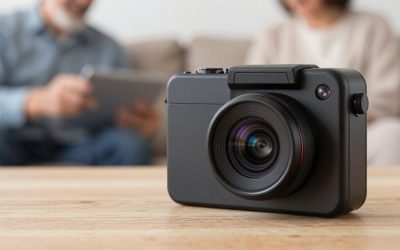
Fall detection cameras use computer vision to recognize a person’s posture and movement. When they detect a sudden drop followed by a period lying still, they trigger an alert to caregivers or a monitoring center. Some systems send a short clip or image so caregivers can confirm what happened. Others process video on the device and send only an alert, protecting privacy.

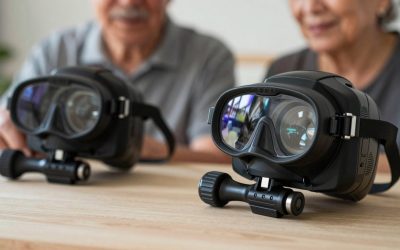
AltumView Sentinare Fall Detection & Activity Sensor, Privacy-Preserving Videoless Stick Figure View, Action Statistics, Medical Alert
Included for 'Best Fall Detection Camera for Home' because the listing specifies Privacy-Preserving Videoless Stick Figure View and Action Statistics, details this guide uses to compare options.
View on AmazonTypes of Systems
Standard smart cameras with fall detection
Consumer home cameras with an added fall detection feature, often part of a subscription. Affordable, but accuracy varies.
Privacy-first vision sensors
Devices that analyze images on the device and never send video, or that show only a silhouette. Better for bedrooms and bathrooms where cameras feel intrusive.
Radar and depth sensors
Not cameras at all, these use radio waves or infrared depth mapping to detect falls without images. They can work in the dark and in bathrooms.
Professionally monitored systems
Fall detection linked to a 24/7 monitoring center that calls the person, then family or emergency services.
| System type | Privacy level | Works in bathroom? | Device price range | Monthly fee |
|---|---|---|---|---|
| Smart camera with fall feature | Low to medium | Not advised | $50–$200 | $5–$20 |
| On-device vision sensor | Medium to high | Sometimes | $150–$400 | $10–$40 |
| Radar/depth sensor | High | Yes | $150–$500 | $0–$40 |
| Monitored system | Varies | Varies | Often leased | $30–$70 |
Features That Matter
Accuracy
Ask about false alarms and missed falls. No system is perfect; look for independent reviews or trial periods. Pets and visitors can confuse some systems.
Coverage area
Each device covers one room or part of a room. Prioritize areas where falls are most likely: bathroom, bedroom, stairs and kitchen.
Alert speed and escalation
Alerts should arrive within seconds and escalate through multiple contacts if unanswered.
Two-way voice
Lets caregivers or monitoring staff speak to the person after a fall to check on them.
Night performance
Many falls happen at night on the way to the bathroom. Infrared or radar systems work in darkness.
Data handling
Check whether video is stored, where and for how long, and who can access it.
Privacy and Consent
Discuss fall detection with the person before installing it. Many older adults accept sensors that do not record images far more readily than cameras. Avoid placing standard cameras in bathrooms or bedrooms without clear agreement. Explain that the goal is to get help quickly, not to watch them.
Cameras vs Wearables
Wearable fall detectors work anywhere, including outside, but only if worn. Room-based systems work without effort but only in covered rooms. Many families use both: a wearable for outings and a room sensor in the bathroom and bedroom.
Reduce Fall Risk Too
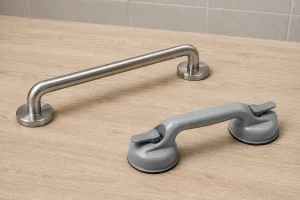
- Install grab bars in bathrooms and railings on both sides of stairs.
- Add night lights between bedroom and bathroom.
- Remove loose rugs and clutter.
- Ask a doctor to review medications that cause dizziness.
- Encourage strength and balance exercises, as advised by a health professional.
Testing and Maintaining the System
Once installed, test the system in each covered room. Many providers offer a test mode that sends a simulated alert without calling emergency services. Check that the right people receive notifications and know what to do. Recheck coverage whenever furniture is moved, because a new sofa or wardrobe can block a sensor’s view. Keep firmware updated and replace backup batteries as advised. A system that has not been tested may not work when it matters most.
FAQ
Are fall detection cameras accurate?
Accuracy varies by system and setting. Look for trial periods, check reviews and test alerts after setup. Combine with a wearable for backup.
Can I use a fall detection sensor in a bathroom?
Radar and non-imaging sensors are designed for private spaces like bathrooms. Avoid standard cameras there.
Bottom line
The best fall detection system for home is one that covers high-risk rooms, alerts quickly and respects privacy. Radar or on-device vision sensors suit bathrooms and bedrooms, while smart cameras can cover living areas. Pair room-based detection with a wearable and fall-prevention steps to keep an older adult safe and independent.
Ready to decide? Our #1 pick for 2026 is the Smart camera with fall feature.
Live price & availability on Amazon.
Related Reviews & Guides

Best ECG Monitor for Home Use

Best One-Handed Cutting Boards for Seniors with Parkinson’s Tremors