Last Updated: September 26, 2026
When a parent begins managing more health conditions, adult children often want a simple way to keep track of the basics without hovering. A home health monitoring kit, a small set of reliable devices kept in one place, can make routine checks easy and give everyone clearer information for doctor visits. This guide explains what belongs in a practical kit, what to spend on each item, and how to set it up so an aging parent will actually use it.
Core Devices for a Home Kit
Upper arm blood pressure monitor
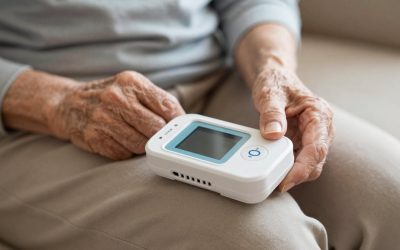
High blood pressure is common in older adults, and home readings help doctors fine-tune treatment. Choose a validated upper arm monitor with the correct cuff size, a large display, and memory for two users if both parents live together.

iHealth Home Health Kit — Smart Upper-Arm Blood Pressure Monitor + No-Touch Forehead Thermometer
Included for 'Best Home Health Monitoring Kit for Aging Parents' as a relevant option in this category; details come from the product listing.
View on Amazon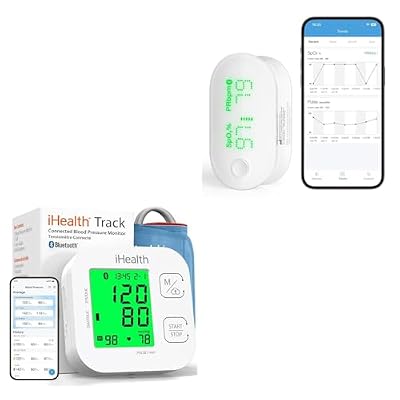
iHealth Home Health Kit—Track Smart Upper Arm Blood Pressure Monitor with Wide Range Cuff + Rechargeable Fingertip Pulse Oximeter
Included for 'Best Home Health Monitoring Kit for Aging Parents' as a relevant option in this category; details come from the product listing.
View on AmazonDigital thermometer
Fever can be less pronounced in older adults, so a reliable thermometer matters. Oral digital thermometers are inexpensive and accurate; temporal or ear thermometers are faster but need correct technique.
Pulse oximeter
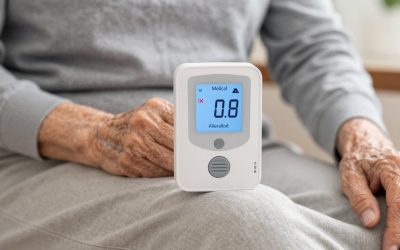
A fingertip oximeter gives a quick estimate of oxygen levels and pulse, useful during respiratory illness or for people with heart or lung conditions.
Bathroom scale
Regular weight checks can flag fluid retention or unintended weight loss. A low-profile scale with a non-slip surface and large display is safest.
Glucose meter (if needed)
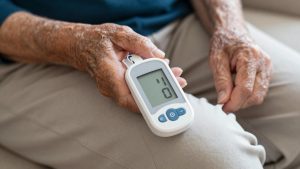
For parents with diabetes, a meter or continuous glucose monitor recommended by their care team belongs in the kit.
Suggested Kit and Budget
| Item | What to look for | Typical price range | Priority |
|---|---|---|---|
| Blood pressure monitor | Validated, upper arm, correct cuff | About $40 to $90 | High |
| Digital thermometer | Fast read, large display | About $10 to $40 | High |
| Pulse oximeter | Medical-grade, clear display | About $25 to $70 | Medium to high |
| Scale | Non-slip, low profile, large digits | About $20 to $100 | Medium to high |
| Glucose meter | Covered strips, easy handling | About $20 to $70 plus strips | If diabetic |
| Pill organizer | Weekly, large compartments | About $8 to $40 | High |
| Logbook or app | Simple format | Free to about $15 | High |
A solid basic kit often totals roughly $120 to $300, depending on whether connected devices are chosen.
Connected or Standalone?
Connected devices can sync readings to apps that family members can view, which is useful for long-distance caregivers. But they add setup steps, Wi-Fi or Bluetooth pairing, and occasional troubleshooting. For parents uncomfortable with technology, standalone devices with good memory and a paper log may be more reliable. A middle path is to choose Wi-Fi devices that sync automatically with no phone needed, set up by a family member.
Setting Up the Kit
- Keep everything in one clearly labeled basket or drawer near where readings are taken, such as a kitchen table.
- Print a one-page instruction card for each device with large text.
- Write the doctor’s target ranges on the log sheet so parents know what is expected.
- Stock spare batteries in the kit.
- Practice together: take readings side by side for a few days until the routine feels natural.
Creating a Routine
Consistency makes data meaningful. A common routine is weight and blood pressure each morning before breakfast and medications, with temperature and oxygen checks only when feeling unwell, unless the doctor suggests otherwise. Linking checks to an existing habit, like morning coffee, improves consistency.
Respecting Independence and Privacy
Talk openly with parents about why the kit is helpful and what information will be shared. Some parents welcome family seeing their numbers; others prefer to share only at appointments. Agree on a plan together, and let them lead where possible. The goal is support, not surveillance.
Knowing When to Act
Ask the doctor for clear guidance: which readings should prompt a call, and which need emergency care. Post those thresholds with the kit. Remind parents that symptoms such as chest pain, sudden weakness, confusion, or severe breathlessness warrant immediate help regardless of readings.
Frequently Asked Questions
What health monitoring devices should seniors have at home?
A practical baseline is an upper arm blood pressure monitor, a digital thermometer, a pulse oximeter, and a safe bathroom scale, plus a glucose meter for those with diabetes. The doctor may suggest others based on specific conditions.
Are connected health devices worth it for aging parents?
They can be helpful for long-distance families and for sharing data with doctors. If setup or troubleshooting would frustrate the parent, reliable standalone devices with a paper log can work just as well.
Bottom Line
A well-chosen home health monitoring kit gives aging parents and their families clearer insight into daily health without complicating life. Start with a validated blood pressure monitor, thermometer, oximeter, and safe scale, add condition-specific devices as needed, and build a simple routine together with clear guidance from the doctor.
Related Reviews & Guides



6 Best Grab Bars For Seniors 2026

6 Best Compression Socks For Swollen Ankles And Feet 2026