Last Updated: September 25, 2026
- Practical Gifts for Aging Parents That Don’t Feel Like Medical Equipment
- Gift, What It Helps With, and How It Lands
- Services Beat Objects More Often Than People Expect
- The Sensitive Categories: Mobility Aids, Bathroom Safety and Alert Devices
- How to Raise It: Conversation Starters That Don’t Land Badly
- A Simple Shopping Approach
- Frequently Asked Questions
The best gifts for aging parents fix a daily annoyance without announcing it. Think brighter task lamps, motion-sensor night lights, jar openers, lightweight cookware, large-display clocks, TV headphones, warm easy-fasten clothing, and services like a cleaning visit or grocery delivery. Choose things that look ordinary sitting on a counter — useful, not clinical.
There is a particular wince when a parent unwraps something that says, without words, we think you are getting frail. The gift may be sensible; it still ends up in a closet. Two questions sort most of it out: does this remove friction from something they already do, and would a 45-year-old with good taste happily own it? If both are yes, you are on safe ground.
Practical Gifts for Aging Parents That Don’t Feel Like Medical Equipment
Prices move constantly, so treat each entry below as a shape of product rather than a specific receipt.
Lighting: the highest-return category, and the least awkward
Eyes need considerably more light at 75 than at 35, and it shows up in ordinary moments — reading a label, finding the keyhole, crossing a hallway at 2am. Nobody reads a nice lamp as a comment on them.
Buy three things: plug-in motion-sensor night lights for the hall, bathroom doorway and the route from bed to kitchen (warm-white, not harsh blue-white); a real task lamp beside the reading chair, wide head and high-lumen bulb rather than decorative; and rechargeable stick-on puck lights for dark closets and under cabinets. Our guide to lighting a home for older eyes covers placement room by room.
Grip and reach: the quiet frustrations
Hand strength and shoulder range fade gradually, so people adapt silently — smaller jars, ignoring the top shelf, asking someone else to open things. Gifts here land well precisely because the problem was never mentioned.
- An under-cabinet or countertop jar opener. The mounted V-shaped kind grips the lid so the hand only turns.
- A reacher-grabber with a rotating head and magnetic tip — for the top shelf and the sock behind the dryer.
- Electric can and wine openers. Both replace a wrist twist with a button, and both look like ordinary gadgets.
Kitchen tools that are easier on hands and wrists
The kitchen is where grip, weight and heat all meet, so a gift does the most work here. Lightweight cookware is the big one: a 10-inch nonstick skillet or an enameled aluminum Dutch oven weighs a fraction of traditional cast iron and still handles a pot roast. Prefer two short handles over one long one, since two-handed lifting is steadier for anyone.
Beyond pots: cushioned wide-handle utensils and peelers, a rocker knife, wrist-length silicone oven mitts, an electric kettle with auto shut-off, and a cutting board with a lip and non-slip feet. A countertop toaster oven or air fryer is worth a look too — less bending than a wall oven, and real buttons instead of a flat touch strip. Our notes on appliances that stay easy to operate go deeper on controls.
Seating, comfort and clothing
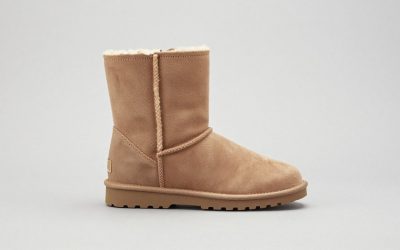
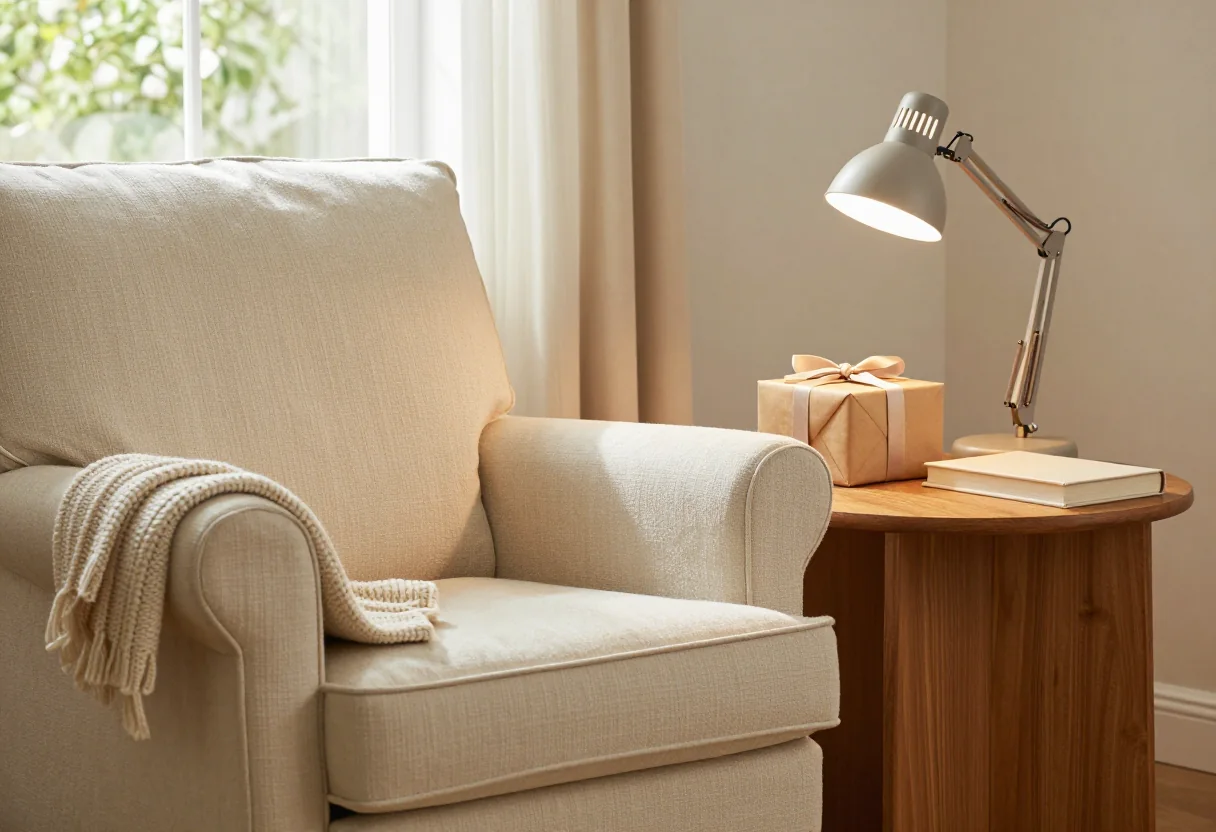
A chair that is slightly too low or too soft turns standing up into an event. A firmer cushion, a footstool at the right height, or an armchair with real arms to push off from — furniture purchases, not medical ones. Heated throws and mattress pads are perennial hits.
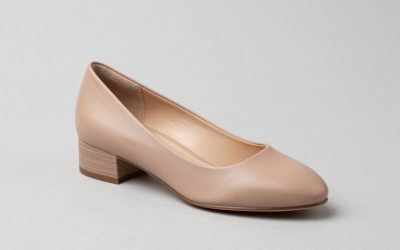
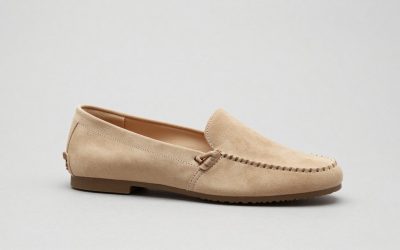
Clothing follows the same logic. Magnetic-closure shirts, wide-opening slip-ons with a firm heel, pull-on trousers with a proper waistband and zip-front fleece all fasten more easily than small buttons, and none look like adaptive wear anymore. Fit matters more than features; a size too big is harder to manage, not easier.
Clocks, phones and screens
Large-display clocks showing day, date and time in full words solve a real irritation. For phones, the choice is a simplified handset with physical buttons, or a mainstream smartphone with accessibility settings turned up — larger bold text, higher contrast, six apps on the home screen instead of sixty. The second is usually better if they already own one, since relearning a device is its own burden. We compare both in choosing a phone that stays easy to use.
Hearing-friendly TV listening
Wireless TV headphones with a base station let one person raise the volume without the rest of the house living inside a war film. They are not hearing aids and do not replace a hearing assessment, but where volume has become a point of tension they solve it the same evening. Look for optical or 3.5mm input, dock charging, and independent left/right balance.
Hobby and connection
Not every gift has to remove friction. A digital photo frame family can send pictures to earns its place on a side table, especially if you load the first hundred yourself. An audiobook subscription suits someone whose reading has slowed but whose appetite for books has not. A video-call setup — tablet, stand, one-tap shortcut, already signed in — is worth more than the hardware, because you did the configuration. Large-print puzzle books and a good radio also count.
Gift, What It Helps With, and How It Lands
| Gift | What it helps with | How it lands |
|---|---|---|
| Motion-sensor night lights | Seeing the hallway at night | Reads as a house upgrade; nobody objects |
| Bright task lamp | Reading, hobbies, paperwork | A lamp is a lamp. Completely neutral |
| Mounted jar opener | Lids, jars, bottle caps | Well received; the problem was already annoying |
| Lightweight cookware | Lifting pots, carrying to the table | Reads as a cooking upgrade |
| Wireless TV headphones | Hearing dialogue without max volume | Fine if framed as ending the volume argument |
| Large-display clock | Day, date and time at a glance | Neutral; pick one that looks like decor |
| Magnetic-closure shirts | Dressing without fiddly buttons | Good if the style is genuinely their taste |
| Digital photo frame | Staying connected to family | Warmly received, especially pre-loaded |
| Cleaning visit or grocery delivery | Heavy, repetitive chores | Often the best gift; frame it as time, not help |
| Grab bars, walkers, alert pendants | Genuine safety and mobility needs | Only lands well if chosen together, in advance |
Services Beat Objects More Often Than People Expect
The gifts mentioned months later are usually not objects. A prepaid monthly cleaning visit. A grocery delivery subscription with the first few orders already built. A handyman for an afternoon, with a list of the small jobs that have been waiting. A lawn service for the summer. A rideshare account topped up, so going out doesn’t depend on asking.
These work because there is no object to look at and feel ambivalent about. Frame it plainly: I got you the cleaners for a few months because I want your Saturdays back. If siblings are chipping in, pooling into one service for a year beats five separate objects. Our overview of setting up grocery delivery for a parent covers the practical side.
The Sensitive Categories: Mobility Aids, Bathroom Safety and Alert Devices
Grab bars, shower seats, walkers, canes, rollators and medical alert devices are genuinely useful — for many people the difference between doing something independently and not doing it. They are also the most likely to cause hurt as a birthday surprise. The object is not the problem; being handed a conclusion about yourself that you did not help reach is the problem.
So the rule is simple: choose these with the person, never for them. Bring them in early, let them pick the model and finish, and let them say no. A cane someone chose gets carried; a cane someone was given lives in the hall closet.
Two practical notes. Grab bars and shower rails must be anchored into structure — wall studs or proper blocking — not drywall anchors alone, and suction-cup bars are no substitute for a mounted one; if you cannot confirm what is behind the tile, that is a contractor’s job. And walkers, rollators, canes and wheelchairs need fitting to height and gait, which is a conversation for their clinician or an occupational therapist, who can also assess the home. Nothing here is medical advice, and no product prevents falls or treats a condition. If the house itself is the issue, our guide to modifying a home for aging in place is a better starting point than a gift list.
How to Raise It: Conversation Starters That Don’t Land Badly
- Lead with your own experience. “We put a bar in our shower after I slipped, and I use it every day — want me to look at yours while I’m here?”
- Ask about the task, not the person. “What’s the most annoying job in this house?” gets a truer answer than “are you managing okay?”
- Offer a trial, not a verdict. “Try it for a month. If you hate it I’ll take it back.”
- Put the decision in their hands. Send three options and ask which they prefer. Choosing is the part that preserves dignity.
- Let a professional carry it. “Would you be up for an occupational therapist walking through the house?” That moves the recommendation away from you.
- Pick the moment. Not at the dinner table with everyone present, and not right after something went wrong.
If the answer is no, take the no and come back in six months. Pressing usually costs you the ability to raise it again.
A Simple Shopping Approach
Pick one friction gift, one comfort gift and one connection gift, and set them up before handing them over — batteries in, app configured, photos loaded, account signed in. Setup is most of the value on anything with a screen. Around the holidays, order the lighting, kitchen and clothing items early; services and subscriptions can be arranged in an afternoon and make good last-minute gifts. Outside gifting season the same list works for a birthday or a move. See also things worth checking around the home and video calls that actually get used.
Frequently Asked Questions
What should I avoid giving an aging parent?
Avoid anything that announces a diagnosis they have not discussed with you: labelled pill organizers, incontinence products, bath chairs, or an alert pendant arriving unannounced in a gift bag. Skip heavy cookware, devices with tiny touchscreens and no physical buttons, and clothing that reads as obviously adaptive rather than simply well designed. Also avoid gifts that create work, like a complicated gadget nobody has set up.
Is a medical alert device a bad gift?
Not bad, but badly timed as a surprise. These devices are genuinely valuable for someone living alone, and many people are glad to have one once they chose it themselves. The problem is being handed one, because it delivers a judgement about independence with no conversation attached. Raise it separately, compare a few options together, let them pick the style and provider, and give it once they have agreed.
How do I choose when my parent insists they need nothing?
Shift from asking what they want to noticing what they work around. If they have stopped using the top shelf, buy a reacher. If they have started buying smaller jars, buy a mounted opener. If the TV is audible from the driveway, look at wireless headphones. Watching for adaptations is more reliable than asking, because most people do not think of these things as gift requests at all.
Are services really better than physical gifts?
Often, yes. A monthly cleaning visit, a grocery delivery subscription, or a handyman for an afternoon removes a chore that has quietly become disproportionate, and it recurs rather than sitting on a shelf. Services also sidestep the awkwardness of an object that signals decline. The main caveat is autonomy: arrange it with them, not around them, and leave them in control of scheduling and access.
Who decides whether my parent needs a walker or grab bars?
Their clinician or an occupational therapist, working with them directly. A therapist can assess gait, reach and the specific layout of the home, then recommend equipment sized and fitted to the person rather than bought off a category page. Grab bars in particular need anchoring into wall studs or proper blocking, so installation is usually a contractor’s job. Your role is raising the conversation and helping arrange it.
Related Reviews & Guides


Best Over Range Hoods in 2026: Compared and Ranked

Best Heavy Duty Rollators in 2026: Compared and Ranked