Last Updated: September 27, 2026
For a senior with high blood pressure, cutting salt is one of the few changes that can lower readings within weeks. The hard part is that most sodium does not come from the salt shaker; it comes from restaurant food, soups, bread, deli meat, and packaged meals. Meal kits and prepared meal services promise to take the guesswork out of eating well, but “healthy” on the box does not mean low sodium. This guide explains how to judge a meal kit or meal delivery service for a person managing hypertension, what numbers to look for, and how the choice changes if kidney disease or cooking ability is part of the picture.
Quick answer: For most people in 2026, the best low is the Cook-it-yourself meal kit — our #1 rated choice. See the full ranked comparison, alternatives and buying advice below.
Sodium targets that make sense
The Dietary Guidelines recommend less than 2,300 milligrams of sodium per day, and the American Heart Association suggests an ideal limit of 1,500 mg for most adults, especially those with high blood pressure. Your doctor may set a specific number. A practical way to use this when shopping is to split the day: if breakfast and snacks use about 600 mg, lunch and dinner can each use roughly 500 to 700 mg. Any single meal above 800 mg makes a 1,500 mg day very difficult.
Meal kits versus prepared meals
These are two different products, and the right one depends on the person’s energy and kitchen skills.
| Option | Typical sodium control | Effort required | Typical cost per serving | Good fit when |
|---|---|---|---|---|
| Cook-it-yourself meal kit | High; sauces and seasoning packets can be used partly or skipped | 20–45 minutes of chopping and cooking | About $9–13 | Senior enjoys cooking and can stand at the stove safely |
| Heat-and-eat prepared meals | Fixed by the manufacturer; must read each label | 2–5 minutes in microwave | About $10–15 | Limited energy, arthritis, or vision problems in the kitchen |
| Medically tailored meal program | Designed around a sodium or heart-healthy target | Heat and eat | Often covered by a plan or grant | After hospitalization or with multiple chronic conditions |
| Community home-delivered meals | Follows federal nutrition standards; not always low sodium | Heat and eat | Suggested donation | Budget is tight; social contact helps |
How to read a meal kit for sodium
Look past the “heart-healthy” badge
Some services label meals as heart-healthy based on fat content rather than sodium. Always check the nutrition panel for milligrams of sodium per serving and confirm the serving is the whole tray, not half of it.
Check whether sauces are packed separately
Kits that package sauces, cheese, and seasoning blends separately give you control. Using half the sauce packet can remove 200 to 400 mg from a meal while keeping most of the flavor. Soy sauce, teriyaki, and bouillon-based sauces are the usual heavy hitters.
Watch the “hidden” sodium ingredients
Cured meats, feta and other brined cheeses, tortillas, naan, and canned beans add sodium quickly. A service with a filter for low-sodium or under-a-set-number meals saves time every week.
Potassium: helpful for many, risky for some
The DASH eating pattern, which lowers blood pressure in clinical trials, is rich in potassium from fruit, vegetables, beans, and dairy. Meal services that emphasize vegetables support this. However, people with chronic kidney disease, and those taking ACE inhibitors, angiotensin receptor blockers, or potassium-sparing diuretics, may need to limit potassium. Many “lite salt” substitutes are made with potassium chloride, which can be dangerous in those situations. Anyone in these groups should ask their doctor or a renal dietitian before using salt substitutes or high-potassium meal plans.
Making low-sodium food taste good
Taste buds adjust to lower salt over about two to four weeks, so the first meals may seem bland. Services that lean on herbs, citrus, garlic, vinegar, and pepper tend to win over reluctant eaters. Older adults often have a reduced sense of taste and smell, which pushes them toward saltier food; stronger aromatics and acid help fill that gap without sodium.
Paying for meals
Original Medicare does not pay for meal delivery. Many Medicare Advantage plans offer a limited number of meals after a hospital or nursing facility stay, and some Special Needs Plans for chronic conditions include ongoing meal or grocery benefits. Medicaid home and community-based services waivers in many states cover home-delivered meals. The local Area Agency on Aging can connect seniors to Older Americans Act meal programs. Medicare Part B also covers medical nutrition therapy with a registered dietitian for people with diabetes or kidney disease, which can help set a sodium plan.
A simple way to test a service
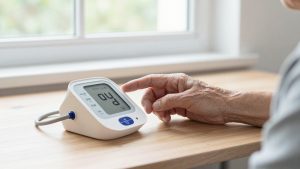
Order one or two weeks, then track home blood pressure readings at the same time each morning, sitting quietly for five minutes first. Write down the sodium of each meal. If readings trend down and the person enjoys the food enough to keep eating it, the service is working. If meals are being left half-eaten, taste and portion size matter more than the sodium number on paper.
FAQ
How much sodium should one meal kit dinner contain for someone with hypertension?
For most people aiming at 1,500 to 2,300 mg per day, a dinner in the 500 to 700 mg range leaves room for breakfast, lunch, and snacks. Meals over 800 mg should be occasional. Your doctor may give a different target based on your health.
Are frozen low-sodium meals just as good?
They can be. Frozen meals vary widely, from under 400 mg to over 1,200 mg per tray. Read each label, choose those under about 600 mg, and add a side of fresh or frozen vegetables to round out the meal.
Bottom line
The best low-sodium meal kit for a senior with hypertension is one that reliably keeps dinners around 500 to 700 mg, lets you control sauces, and fits the person’s energy for cooking. Heat-and-eat meals suit those who cannot stand at the stove; cook-it-yourself kits give the most control. Check potassium limits if kidneys or blood pressure medications are involved, look into Medicare Advantage and Medicaid meal benefits, and let home blood pressure readings tell you whether the change is working.
Ready to decide? Our #1 pick for 2026 is the Cook-it-yourself meal kit.
Live price & availability on Amazon.
Related Reviews & Guides



Best Keyless Smart Lock for Seniors 2026

Best Mobility Scooter for Parkinson’s Disease