Last Updated: September 26, 2026
Older skin is thinner, heals more slowly, and is more vulnerable to pressure, especially for people who spend long hours in bed. A good pressure relief mattress topper can spread body weight more evenly, reduce concentrated pressure on bony areas like the hips, heels, and shoulders, and make sleep more comfortable. It is not a medical device in most cases and cannot replace repositioning or professional wound care, but it can be a helpful layer of comfort and prevention. This guide explains the main topper materials, how thickness and density matter, and how to pick one for different needs.
Why Pressure Relief Matters for Seniors
When someone lies in one position for a long time, the skin and tissue over bony areas can become compressed, reducing blood flow. Over time, this can contribute to pressure injuries, sometimes called bedsores. Seniors who have limited mobility, low body weight, or conditions affecting circulation are at higher risk. A topper that conforms to the body and spreads pressure can help, alongside regular repositioning and skin checks.
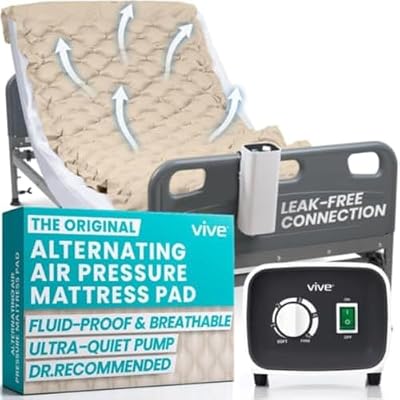
Vive Alternating Air Pressure Mattress Pad - The Original Bed Sore Solution
Included for 'Best Pressure Relief Mattress Topper for Seniors' because the listing specifies The Original Bed Sore Solution, details this guide uses to compare options.
View on Amazon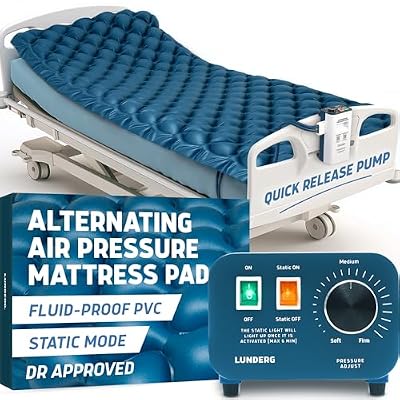
Lunderg Alternating Air Pressure Mattress Pad with Static Mode & Quiet Pump
Included for 'Best Pressure Relief Mattress Topper for Seniors' as a relevant option in this category; details come from the product listing.
View on Amazon
Lunderg Alternating Air Pressure Mattress Pad with Static Mode & Foam Layer
Included for 'Best Pressure Relief Mattress Topper for Seniors' as a relevant option in this category; details come from the product listing.
View on Amazon
MedVance Premium Alternating Air Pressure Mattress Pad with Quiet Pump
Included for 'Best Pressure Relief Mattress Topper for Seniors' as a relevant option in this category; details come from the product listing.
View on AmazonMain Topper Materials
Memory foam
Memory foam molds to the body and distributes weight. It comes in different densities; higher-density foams, often 4 to 5 pounds per cubic foot, tend to offer more support and last longer. Memory foam can retain heat, so gel-infused or open-cell versions may feel cooler.
Latex
Latex is more responsive and bouncy than memory foam, making it easier to change positions. It sleeps cooler for many people and is durable. Some people have latex allergies, so check before buying.
Egg-crate foam
Egg-crate or convoluted foam has peaks and valleys that allow airflow and reduce contact points. It is affordable but usually less durable and less supportive than dense memory foam or latex.
Alternating pressure pads
These use air cells that inflate and deflate in cycles to shift pressure. They are more often used in medical settings or for people at high risk of pressure injuries and are usually recommended by a clinician.
Fiber and wool
Fiber and wool toppers add softness and temperature regulation but offer less structured pressure relief. They can be combined with foam for comfort.
Material Comparison
| Material | Pressure relief | Ease of movement | Heat retention | Typical queen price |
|---|---|---|---|---|
| Memory foam (high density) | High | Moderate | Moderate to high | About $100 to $350 |
| Gel memory foam | High | Moderate | Lower than standard | About $120 to $400 |
| Latex | Moderate to high | High | Low | About $200 to $500 |
| Egg-crate foam | Moderate | Moderate | Low | About $30 to $100 |
| Alternating air pad | High (dynamic) | High | Low | About $80 to $400 |
Thickness and Density
Toppers typically come in 2-, 3-, and 4-inch thicknesses. A 2-inch topper adds modest comfort. A 3-inch topper is a common choice for pressure relief, and 4 inches offers the most cushioning but can make the bed higher and harder to get out of. For seniors, check that the added thickness does not raise the bed beyond a safe height for sitting on the edge with feet flat.
Density matters as much as thickness. A thick, low-density topper may compress quickly and lose its benefits. Look for density information on memory foam products.
Choosing by Situation
For side sleepers with hip or shoulder pain
A 3-inch medium-soft memory foam or latex topper can help cushion the shoulder and hip without letting the spine sag.
For those who spend long hours in bed
Consider higher-density foam or an alternating pressure pad recommended by a healthcare provider. Regular repositioning is still important.
For people who sleep hot
Latex, gel-infused foam, or open-cell foam with a breathable cover can help regulate temperature.
For those with incontinence
Choose a topper with a waterproof, washable cover, or use a waterproof protector over the topper.
Practical Tips
- Use a fitted cover or straps to keep the topper from sliding.
- Check skin daily for redness that does not fade, especially over bony areas.
- Rotate the topper periodically to even out wear.
- Allow new foam to air out for a day or two to reduce odors.
Frequently Asked Questions
Can a mattress topper prevent bedsores?
A good topper can reduce pressure on vulnerable areas, but it cannot prevent bedsores on its own. Regular repositioning, skin care, nutrition, and guidance from healthcare providers are essential.
What thickness is best for pressure relief?
Many people find 3 inches offers a good balance of cushioning and support. Thicker toppers add softness but can raise the bed height and make movement harder.
Bottom Line
The best pressure relief mattress topper for seniors combines conforming support with ease of movement and a safe bed height. High-density memory foam or latex in a 3-inch thickness suits many people, while alternating air pads may be recommended for higher-risk situations. Pair any topper with good skin checks and repositioning routines.
Related Reviews & Guides



5 Best Electrolyte Drinks for Seniors in 2026: Easy Hydration

Best Online Womens Clothes in 2026: Buying Guide