Last Updated: October 13, 2026
- Top 3 Picks
- Quick Comparison
- How We Chose
- 1. ROPVACNIC Robot Vacuum and Mop Combo – Best for Entry-Level Combo Cleaning
- 2. Shark AI Ultra Self-Emptying Robot Vacuum (AV2511AE) – Best for Hands-Free Daily Cleaning
- 3. Tikom Robot Vacuum and Mop Combo, 5000Pa – Best for Long Runtime on Mixed Floors
- 4. iRobot Roomba 415X Combo – Best for a Complete Dock-Based System
- 5. Kilgone Robot Vacuum and Mop with Self-Emptying Dock – Best for Hands-Free Cleaning with a Dock
- 6. Tikom Self-Emptying Robot Vacuum and Mop – Best for a Dock-Based Combo from a Value Brand
- 7. iRobot Roomba 105 Vac – Best for Vacuum-Only Simplicity on Wood
- 8. iRobot Roomba 115X Combo – Best for Combo Cleaning from a Known Brand
- 9. ILIFE V2 Robot Vacuum Cleaner – Best for Tangle-Free, Simple Vacuuming
- How to Choose a Robot Vacuum for Hardwood Floors
- A Hardwood-Friendly Maintenance Routine
- Mopping on Hardwood: What to Know Before You Use a Combo
- Dock Types Compared
- Setting Up Your First Weeks
- Frequently Asked Questions
- Our Recommendation by Situation
The best robot vacuum for hardwood floors in this lineup is the iRobot Roomba 415X Combo, because its listing combines the features that matter on wood: strong suction, a self-emptying base rated for up to 90 days, a dock that cleans and hot-dries the mop pad, and smart obstacle avoidance that helps it avoid cables and shoes that can scuff a finish. If you would rather skip mopping entirely, which many wood-floor makers recommend for floors with worn sealant, the iRobot Roomba 105 Vac is a vacuum-only model with LiDAR navigation. If you want a mainstream self-emptying machine with a long hands-free window, the Shark AI Ultra with a 60-day base is the pick. The rest of this guide covers nine robots, from simple to dock-equipped, and explains what actually protects hardwood: brush type, wheel design, water control, and navigation. You will also find a worked suction example and a table for matching a robot to your floors.
Top 3 Picks
Best overall: iRobot Roomba 415X Robot Vacuum and Mop Combo. A 20,000Pa suction claim, a 90-day self-emptying base, a self-cleaning and hot-drying dock, and obstacle avoidance make this the most complete package for homes with mixed floors and a lot of hair and dust.

ROPVACNIC Robot Vacuum and Mop Combo 5200Pa Suction Robotic Cleaner
Included for 'Best Robot Vacuum for Hardwood Floors in 2026' as a relevant option in this category; details come from the product listing.
View on Amazon
Shark AI Ultra Robot Vacuum, 60-Day Self-Emptying Base, Black, AV2511AE
Included for 'Best Robot Vacuum for Hardwood Floors in 2026' because the listing specifies 60-Day Self-Emptying Base and Black, details this guide uses to compare options.
View on Amazon
Tikom Robot Vacuum and Mop Combo, 5000Pa Robotic Vacuum Cleaner, 150 Min Max, App & Remote Control, Ideal for Hard Floor, Carpet, Pet Hair, Self-Charge(G8000 Max)
Included for 'Best Robot Vacuum for Hardwood Floors in 2026' because the listing specifies 5000Pa Robotic Vacuum Cleaner and 150 Min Max, details this guide uses to compare options.
View on Amazon
iRobot Roomba 415X Robot Vacuum & Mop Combo, 20,000Pa, 90 Days Self-Emptying, Multifunction Dock Self-Cleaning & Hot Dry, Smart Obstacle Avoidance, Lifting Spinning Mops, Ideal for Pet Hair
Included for 'Best Robot Vacuum for Hardwood Floors in 2026' because the listing specifies 000Pa and 90 Days Self-Emptying, details this guide uses to compare options.
View on Amazon
Kilgone Robot Vacuum and Mop with Self Emptying Dock, 90 Days Hands-Free
Included for 'Best Robot Vacuum for Hardwood Floors in 2026' because the listing specifies 90 Days Hands-Free, details this guide uses to compare options.
View on Amazon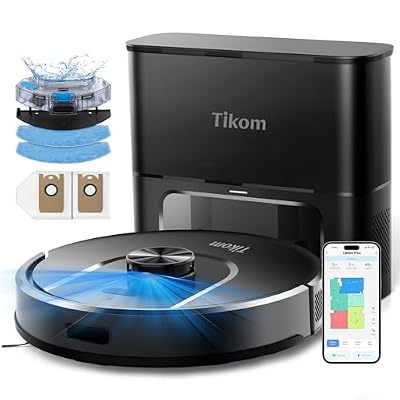
Tikom Robot Vacuum and Mop, Robotic Vacuum Cleaner with Self-Emptying Base
Included for 'Best Robot Vacuum for Hardwood Floors in 2026' because the listing specifies Robotic Vacuum Cleaner with Self-Emptying Base, details this guide uses to compare options.
View on Amazon
iRobot Roomba 105 Vac Robot Vacuum - Easy to use, Intense Power-Lifting Suction, LiDAR Navigation, Multi-Surface Cleaning, Cleans in Neat Rows, Self-Charging
Included for 'Best Robot Vacuum for Hardwood Floors in 2026' because the listing specifies Easy to use and Intense Power-Lifting Suction, details this guide uses to compare options.
View on Amazon
iRobot Roomba 115X Combo Robot Vacuum & Mop, 15,000 Pa, Easy to use, Intense Power-Lifting Suction, LiDAR Navigation, Multiple Cleaning Modes, Avoids Mopping Carpets, Self-Charging
Included for 'Best Robot Vacuum for Hardwood Floors in 2026' because the listing specifies 000 Pa and Easy to use, details this guide uses to compare options.
View on Amazon
ILIFE V2 Robot Vacuum Cleaner, Tangle-Free Suction, White
Included for 'Best Robot Vacuum for Hardwood Floors in 2026' because the listing specifies Tangle-Free Suction and White, details this guide uses to compare options.
View on AmazonBest for vacuum-only simplicity: iRobot Roomba 105 Vac. It is described as easy to use, with LiDAR navigation and multi-surface cleaning, and it skips the mop. For hardwood owners who prefer not to introduce water, that is a feature rather than a limitation.
Best for hands-free upkeep: Shark AI Ultra Robot Vacuum with 60-Day Self-Emptying Base. The base empties the bin automatically, so you handle dust about once every two months, according to the listing. It suits busy households and pet owners.
Quick Comparison
| Product | Best for | Key specs (per listing name) |
|---|---|---|
| ROPVACNIC Vacuum and Mop Combo | Entry-level combo cleaning | 5200Pa suction, vacuum and mop combo |
| Shark AI Ultra, Self-Emptying | Hands-free daily cleaning | 60-day self-emptying base, AV2511AE |
| Tikom Vacuum and Mop Combo (150 min) | Long runtime on mixed floors | 5000Pa, up to 150 minutes, app and remote control |
| iRobot Roomba 415X Combo | Complete dock-based system | 20,000Pa, 90-day self-emptying, self-cleaning and hot-dry dock, obstacle avoidance |
| Kilgone Vacuum and Mop, Self-Emptying | Hands-free cleaning with a dock | Self-emptying dock, 90 days hands-free |
| Tikom Self-Emptying Vacuum and Mop | Dock-based combo from a value brand | Self-emptying base, vacuum and mop |
| iRobot Roomba 105 Vac | Vacuum-only, no water | LiDAR navigation, multi-surface cleaning |
| iRobot Roomba 115X Combo | Combo cleaning from a known brand | 15,000Pa, LiDAR navigation, multiple cleaning modes |
| ILIFE V2 Robot Vacuum | Tangle-free simple vacuuming | Tangle-free suction, vacuum-only |
How We Chose
We built this guide from research into each listing’s published name and feature claims, plus established knowledge of how robot vacuums behave on sealed and unsealed wood. The main criteria were floor safety (soft or tangle-free brush designs, water control, and navigation that avoids collisions), cleaning of fine dust and pet hair in board seams, ease of upkeep, and runtime. We also weighed whether a robot includes a mop, since mopping is optional and sometimes inadvisable on wood. Suction figures are compared with caution, because brands measure pascals differently and a bigger number does not guarantee better cleaning. We did not run physical trials, and we do not quote runtimes or noise levels that listings do not state. Where details are missing, we suggest confirming them on the product page before you buy.
1. ROPVACNIC Robot Vacuum and Mop Combo – Best for Entry-Level Combo Cleaning
As an Amazon Associate we earn from qualifying purchases at no extra cost to you.

The ROPVACNIC is listed as a robot vacuum and mop combo with 5200Pa suction. That label tells you it is built to do both jobs in a single pass, which is attractive in a home with mixed floors. On hardwood, the combo format deserves some thought. A mopping module is useful on sealed floors if the water flow is low, but it is something to approach cautiously on floors with worn finish, wide gaps between boards, or unsealed wood.
This robot appeals to buyers who want an automated cleaner that handles both dust and light damp wiping without a large commitment. The product name gives few other details, such as navigation type, bin size, or app features, so confirm them on the product page.
Key points from the listing
- Robot vacuum and mop combo
- 5200Pa suction claim
- Robotic cleaner format
- Navigation, runtime, and base type to confirm on the product page
Strengths
A combo robot saves a separate mopping step on floors that are suited to it, and the suction figure suggests it is meant for more than surface crumbs. On hardwood, vacuuming daily removes the grit that causes micro-scratches over time, which matters more than any mopping.
Things to watch
Check whether the mop can be disabled or lifted, and whether water output is adjustable. Wood manufacturers generally recommend minimal moisture; standing water can damage boards and finishes. Also confirm how the robot navigates: random bouncing can miss areas and nudge furniture, while mapped navigation covers a room in rows. Look at whether the brush is a bristle or a rubber type, since bristle brushes can tangle with long hair.
Pros
- Combo format for light mopping
- Stated suction figure
- Simple concept for mixed-floor homes
Cons
- Few details in the listing name
- No stated self-emptying base
- Mopping on wood needs care
Floor-care tip
Run the robot in vacuum-only mode for the first few weeks and inspect the floor after each run. If you add mopping, use the lowest water setting and wipe any visible moisture yourself.
Who should skip it
If you want a mapped, app-heavy experience with room-by-room control, or a dock that handles the bin for you, this listing’s name does not promise either. Shoppers who value a long track record of customer support may also prefer a more established brand. On the other hand, if your floor plan is simple and you mainly want an automatic daily pass, a basic combo can be enough.
How it compares
The Tikom combo makes similar claims, with a slightly lower suction figure but a stated runtime of up to 150 minutes. The ROPVACNIC trades documented runtime for a higher suction number. Against the Roomba 415X, it is a simpler, less feature-rich robot.
2. Shark AI Ultra Self-Emptying Robot Vacuum (AV2511AE) – Best for Hands-Free Daily Cleaning

The Shark AI Ultra, model AV2511AE, is listed with a 60-day self-emptying base. The base automatically pulls dust from the robot’s bin into a larger bag or container, which means you handle debris far less often. The “AI” in the name refers to Shark’s navigation and mapping features, which are meant to help the robot plan a methodical path rather than bounce randomly.
It is a strong match for hardwood floors in homes with pets, children, or heavy foot traffic, where daily vacuuming is the best defense against grit and fur. The robot’s brush design is worth checking on the product page: Shark has marketed self-cleaning brush rolls aimed at reducing hair wrap, but confirm that for this exact model.
Key points from the listing
- 60-day self-emptying base
- Black finish, model AV2511AE
- AI-based navigation per the product name
- Check the product page for brush type, mapping, and app features
Strengths
Self-emptying is the headline benefit. A robot that needs emptying after every run is a robot that sits idle; a base that holds weeks of debris keeps cleaning on schedule. A mapping-capable machine can be scheduled by room and can learn the layout, which reduces missed corners and bumping into table legs. Both help protect baseboards and wood finishes.
Things to watch
Self-emptying bases are tall and need clear space on all sides, plus an outlet. Replacement bags or containers are a recurring purchase. The robot itself must still have its brush and filter maintained. Check whether this model includes mopping, as some Shark models are vacuum-only.
Pros
- Self-emptying base reduces daily chores
- Mapping and scheduling, per the AI branding
- Well suited to pet households
Cons
- Base needs space and an outlet
- Bags or consumables needed
- Mop capability not stated in the name
Floor-care tip
Set a daily schedule for the time when nobody is home. Keep the dock on a flat hard surface, not on a thick rug, and remove charging cables from the floor before each run so the robot does not drag them across the wood.
Who should skip it
If your priority is mopping, check the product page for this model’s exact capabilities before you buy, because the name highlights the base and navigation rather than a mop. Small apartments may not need a tall base, and anyone who dislikes buying replacement bags may prefer a simple bin-based robot that takes seconds to empty by hand.
How it compares
The Roomba 415X offers a dock that also handles mop pads, while the Shark focuses on vacuuming. Against the Kilgone and Tikom self-emptying models, the Shark is a named-brand alternative with a stated 60-day interval.
3. Tikom Robot Vacuum and Mop Combo, 5000Pa – Best for Long Runtime on Mixed Floors

The first Tikom listing describes a robot vacuum and mop combo with 5000Pa suction, a maximum runtime of 150 minutes, app and remote control, and suitability for hard floor, carpet, and pet hair. The runtime is the standout number: 150 minutes means it can cover a good-sized home on a single charge, though actual runtime depends on suction mode and floor type.
It suits owners of mixed-floor homes with a bit of carpet, a lot of hardwood, and a pet. App and remote control let you start and schedule cleaning without bending to press a button.
Key points from the listing
- 5000Pa suction, vacuum and mop combo
- Up to 150 minutes of runtime
- App and remote control
- Marketed for hard floor, carpet, and pet hair
Strengths
A long stated runtime reduces the chance of the robot stopping mid-job in a larger home. App scheduling lets you run it while you are out. The multi-surface focus suggests it can handle transitions between wood and low carpet. A remote is helpful for spot cleaning after a spill.
Things to watch
The runtime is a maximum, usually measured in a quiet mode. High suction shortens it. No self-emptying base is named in this listing, so expect to empty the bin yourself. Confirm whether the mop attachment can be removed or the water tank closed for vacuum-only runs.
Pros
- Long stated runtime
- App and remote options
- Suitable for mixed floor types
Cons
- Bin must be emptied manually, based on the name
- Suction number is not comparable across brands
- Combo mopping needs care on wood
Floor-care tip
Use the app’s schedule to run it after breakfast and before you get home, and check the brush for hair once a week.
Who should skip it
Anyone who wants a dock that empties the bin should look at the self-emptying Tikom, Kilgone, Shark, or Roomba 415X listings instead. People who rely on strict room-by-room mapping should confirm what navigation system this model uses, since the listing name highlights runtime and control options and not the mapping method.
A typical day with it
Picture a three-bedroom home with a hardwood hall, a tile kitchen, and a low-pile rug in the living room. You schedule the robot for mid-morning from the app, it covers the main rooms on a single charge if the runtime claim holds, and you empty the bin in the evening. The remote is handy for sending it to a spot where a child dropped cereal. Over a few weeks, the habit of daily runs does more for the floor than any single deep clean.
How it compares
The other Tikom listing adds a self-emptying base. Choose this one if you want to handle the bin yourself, and the other if you want a dock. Against the ROPVACNIC, it offers a stated runtime.
4. iRobot Roomba 415X Combo – Best for a Complete Dock-Based System

The Roomba 415X Robot Vacuum and Mop Combo has the longest feature list in this roundup. The listing names 20,000Pa suction, a base that self-empties for up to 90 days, a multifunction dock that self-cleans and hot-dries, and smart obstacle avoidance. That combination amounts to a robot that returns to a dock, drops its debris, washes and dries its mop pad, and goes back out with minimal human involvement.
For hardwood floors, the features that matter most are obstacle avoidance and the ability to manage mop pads. Obstacle avoidance helps the robot steer around charging cables, pet accessories, and shoes, which can otherwise be dragged across wood or cause the robot to get stuck and spin. Hot-drying the pad matters because a damp pad left in a dock can develop odors; a dry pad is also gentler on a floor than a pad dragging old grit.
Key points from the listing
- 20,000Pa suction claim
- 90-day self-emptying base
- Multifunction dock that self-cleans and hot-dries
- Smart obstacle avoidance
Strengths
This is the most hands-off robot on the list. The dock does much of the maintenance that other combos leave to you. The suction figure is the highest listed, though pascals are not comparable across brands. iRobot has a long track record in the robot-vacuum category, and its app and scheduling tools are widely used. For homes with pets, the combination of strong suction and obstacle avoidance helps with hair and with surprise messes.
Things to watch
A dock with this many functions is large and needs room, an outlet, and occasional maintenance such as cleaning the dock’s tray and replacing consumables. Confirm which mop pads and bags it uses. On hardwood, use the gentlest mopping option, keep the water level low, and consult your floor manufacturer’s care guide; if the finish is worn or the boards have gaps, stick to vacuum-only runs.
Pros
- Fully featured dock handles emptying, cleaning, and drying
- Obstacle avoidance protects floors and cables
- Strong stated suction
- Established brand with app support
Cons
- Large footprint for the dock
- Consumables and maintenance are ongoing
- Many features you may not need on a small apartment floor
Floor-care tip
Set no-go zones around delicate rugs and charging stations, and run the mop only after the vacuum pass. Wipe the dock tray weekly.
Who should skip it
Small apartments with limited floor space may find the dock more than they need, and owners of floors with worn finish may prefer to leave the mop unused. If you are happy to empty a bin by hand, the Roomba 105 or 115X delivers the same brand ecosystem with less hardware to store and maintain.
How it compares
Its sibling, the Roomba 115X Combo, offers a lower suction claim of 15,000Pa and a leaner listing. Against the Shark AI Ultra, it adds mopping and drying on the dock. Against the Kilgone and Tikom docks, it comes from a more established brand and spells out the dock’s cleaning and drying functions.
5. Kilgone Robot Vacuum and Mop with Self-Emptying Dock – Best for Hands-Free Cleaning with a Dock

The Kilgone listing is for a robot vacuum and mop with a self-emptying dock and a 90-day hands-free claim. In other words, it is aimed at the same buyer as the Shark and Roomba docks: someone who wants to run the robot daily and handle the dust bin only a few times a year. The brand is less widely known than Shark or iRobot, so documentation and support deserve extra attention before you buy.
It suits shoppers who want dock-based convenience and are comfortable with a less established brand. It can also suit a small household with a modest amount of floor to cover, where the dock is more of a convenience than a necessity.
Key points from the listing
- Robot vacuum and mop
- Self-emptying dock
- 90 days hands-free claim
- Suction, navigation, and mop details to confirm on the product page
Strengths
A dock removes the need to empty a small bin after each cleaning. The 90-day claim suggests a large collection bag. Combo operation covers dust and light wiping. For hardwood, regular, automated vacuuming is the biggest advantage, since it keeps abrasive grit from accumulating.
Things to watch
The listing name does not state suction power, navigation method, or app functions. Look for the type of navigation (mapped rows versus random patterns), whether the mop can be turned off, and whether replacement bags are easy to obtain. Because the brand is less familiar, check the warranty terms, parts availability, and customer service contact details on the product page.
Pros
- Self-emptying dock
- Long stated hands-free interval
- Combo format
Cons
- Fewer specs in the listing name
- Less established support network
- Replacement bags and parts availability to verify
Floor-care tip
Before the first run, pick up cables and small objects, then watch a full cycle. If the robot bumps furniture hard, place soft bumpers or adjust the no-go zones.
Who should skip it
Anyone who wants well-documented navigation, a large support network, or verified specifications may prefer a major-brand dock. If you need exact numbers for suction, runtime, or noise, the listing name does not provide them, so you would rely on the product page and customer questions.
A typical day with it
In a small household, the robot runs after the morning routine, returns to the dock, and empties itself. You glance at the app, if there is one, to confirm that the run finished, and you ignore the dock for weeks. The 90-day claim is a best case that depends on how much dust and hair your home produces, so expect to replace the bag sooner if you have shedding pets or a lot of foot traffic.
How it compares
The Tikom self-emptying model is the closest competitor. Compare the product pages for navigation, bag type, and runtime. The Shark and Roomba docks come from larger brands with broader support.
6. Tikom Self-Emptying Robot Vacuum and Mop – Best for a Dock-Based Combo from a Value Brand

The second Tikom listing is for a robotic vacuum cleaner and mop with a self-emptying base. It shares a brand with the 5000Pa combo earlier in the list, but the base is the key difference. For people who like the Tikom approach and want to avoid emptying the bin after each run, this is the version to consider.
It is a suitable choice for a household with modest floor space, a single level, and a mixture of hardwood and low-pile rugs. A base and a robot together take space, so check the footprint and the clearance needed to remove the dust bag.
Key points from the listing
- Robot vacuum and mop
- Self-emptying base
- Same brand as the other Tikom listing in this guide
- Suction, runtime, and app details to confirm on the product page
Strengths
The self-emptying base reduces daily maintenance, and a combined vacuum-and-mop design provides flexibility. Having a base also means the robot can recharge and resume, which is useful in homes bigger than a single battery can cover.
Things to watch
Because the listing name omits technical specs, confirm them on the product page. Self-emptying bases need bags, so check the replacement supply. The bag compartment and dust path should be sealed to avoid fine dust returning to the air. If you have allergies, consider asking an allergist about the best vacuum filtration for your home.
Pros
- Base reduces bin emptying
- Combo cleaning
- Brand shared with a model that states runtime and app control
Cons
- Few details in the listing name
- Bags are an ongoing need
- Mop use on wood needs caution
Floor-care tip
Place the base against a wall on a hard floor, clear of rugs and cords. Leave open space in front so that the robot can dock without bumping the furniture.
Who should skip it
If you want a stated runtime or app features highlighted in the name, the other Tikom listing is more explicit. If you want a dock with a self-cleaning mop station, the Roomba 415X is the one that names those functions. Households that rarely vacuum may not use enough debris to justify a bag-based base.
A typical day with it
Set the robot to run while you are at work. It returns to the base when it needs a break, empties its bin, and resumes if the model supports it. In the evening, you wipe visible dust from the dock and check the mop attachment if it was used. Over time, a weekly glance at the bag indicator and the brush keeps everything in working order and prevents small problems from turning into floor marks.
How it compares
Against the first Tikom, it trades a stated runtime for a base. Against the Kilgone, the two are similar in concept. Against the Roomba 415X, it is simpler and does not describe a self-cleaning dock.
7. iRobot Roomba 105 Vac – Best for Vacuum-Only Simplicity on Wood

The Roomba 105 Vac is described as an easy-to-use robot vacuum with intense power-lifting suction, LiDAR navigation, multi-surface cleaning, and neat-row cleaning. The “Vac” in the name signals a vacuum-only machine. That is a positive for many hardwood owners. A vacuum-only robot removes the question of water entirely, and it focuses on what is most protective for wood: regular removal of grit, hair, and dust.
LiDAR navigation is also relevant. A laser-based sensor maps a room and plans neat rows, which means more complete coverage and fewer random collisions with baseboards and furniture than a bump-and-turn pattern. For a floor you care about, fewer bumps is better.
Key points from the listing
- Vacuum-only robot, no mop
- LiDAR navigation
- Multi-surface cleaning
- Cleans in neat rows, easy to use
Strengths
Simplicity is the draw. No water tank, no pad, and no dock-cleaning cycle means fewer parts to maintain. LiDAR gives it a methodical path. As a vacuum, it is suited to daily or alternate-day use, which is how most of the benefit is achieved on wood. The iRobot app ecosystem is widely used, and replacement brushes and filters are commonly available.
Things to watch
The listing name does not mention a self-emptying base, so plan to empty the bin yourself. Hair can wrap around brush rolls on any robot, so inspect and clean the brushes weekly. Check whether this model uses rubber or bristle brushes. If you have deep-pile rugs, check the product page for how it handles them. Keep the robot off stairs by using virtual barriers, since robots with cliff sensors can still be tricked by dark or reflective surfaces.
Pros
- No water, no mop, easy on wood
- LiDAR navigation with neat rows
- Straightforward to use
Cons
- No stated self-emptying base
- No mopping
- Less feature-rich than combo docks
Floor-care tip
Run it when no one is walking through, since people can drag debris back onto the floor right after the robot cleans. Empty the bin after each run in a dusty season.
Who should skip it
Anyone who wants a mop or a self-emptying base should look at the combo and dock models instead. People who want advanced obstacle recognition for pet accidents or cords should check the 415X listing, which names obstacle avoidance. For a small home with mostly hardwood and a daily vacuum routine, this model may be all you need.
How it compares
Against the Roomba 115X Combo, the 105 is vacuum-only and more modest. Against the ILIFE V2, it adds LiDAR navigation. Against the Roomba 415X, it gives up the dock and mop but keeps the same brand ecosystem at a simpler level.
8. iRobot Roomba 115X Combo – Best for Combo Cleaning from a Known Brand

The Roomba 115X Combo Robot Vacuum and Mop is listed with 15,000Pa suction, LiDAR navigation, intense power-lifting suction, and multiple cleaning modes. The combo format means it can vacuum and mop; the multiple cleaning modes suggest you can choose vacuum-only or add the mop as needed. That flexibility is useful on hardwood, where you may want to vacuum daily and mop only occasionally.
It suits buyers who want the familiarity of the iRobot app and navigation, but without moving up to the full dock system of the 415X. If the listing does not state a self-emptying base, assume you will empty the bin yourself.
Key points from the listing
- 15,000Pa suction claim
- Vacuum and mop combo
- LiDAR navigation
- Multiple cleaning modes
Strengths
LiDAR navigation plus selectable modes gives you control. You can send it out in vacuum-only mode for a daily run and use the mop on a weekly schedule if your floors allow. The suction claim is high compared with the Roomba 105, which should help with fine dust in board seams. Because it is in the same brand family as the 105 and 415X, it benefits from the same style of app and support.
Things to watch
Mopping rules for wood are strict: use as little water as possible, avoid unsealed or waxed floors, and follow your floor maker’s cleaning guide. A damp pad that is left on the floor can leave marks, so remove it when not mopping. The name does not mention a self-emptying base, so check the product page. As with any robot, clean brushes and filters on a schedule.
Pros
- Flexible modes, including vacuum-only
- LiDAR navigation
- Strong stated suction
- Familiar brand ecosystem
Cons
- No stated self-emptying base
- Mopping requires care on wood
- Fewer dock features than the 415X
Floor-care tip
Create a schedule in the app that runs the vacuum daily and the mop on a separate day. Always lift the mop pad off the floor if you pause the machine.
Who should skip it
If you want a self-emptying base, none is named in this listing. If you will never use a mop on your floors, the vacuum-only Roomba 105 may suit you better, since you would not be paying attention to features you do not use. If you want obstacle avoidance for cables and pet messes, consider the 415X.
How it compares
It is a step down from the 415X (15,000Pa versus 20,000Pa, and no named dock features) and a step up from the 105 (adds mopping and higher suction). Against the Tikom and ROPVACNIC combos, it is the brand-name option with LiDAR.
9. ILIFE V2 Robot Vacuum Cleaner – Best for Tangle-Free, Simple Vacuuming
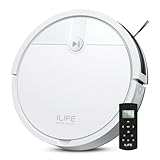
The ILIFE V2 is listed as a robot vacuum cleaner with tangle-free suction, in white. The tangle-free label usually refers to a brush design that resists hair wrapping, such as a rubber or combined roller. For households with long hair or pets, this is one of the most important features, because tangled brushes reduce cleaning performance and require frequent cutting and untangling.
It is the most basic robot in this list, which can be a strength. It suits small apartments, bedrooms, and people who just want a low-fuss machine to run over a hardwood floor every day or two. The name does not mention mopping, a base, or mapping, so confirm these on the product page.
Key points from the listing
- Robot vacuum cleaner, vacuum-only per the name
- Tangle-free suction design
- White finish
- Navigation type, runtime, and bin size to confirm
Strengths
The tangle-free design reduces the hair-wrap cleanup that makes many people give up on robot vacuums. A vacuum-only machine avoids water on wood. A simpler device also has fewer things to go wrong, and replacement parts are usually simple.
Things to watch
Without confirmed mapping, the robot may clean in a less organized pattern. Check whether it has cliff sensors and soft bumpers so it will not fall down stairs or knock the baseboards. Make sure that the bin is easy to empty, and check how loud it is if you plan to run it while you are at home.
Pros
- Tangle-free design for hair
- Vacuum-only, no moisture on wood
- Simple concept and operation
Cons
- No stated mapping, base, or mop
- Few specs in the listing name
- May need more oversight than LiDAR models
Floor-care tip
Clear the floor of socks and cords before each run, and check the wheels for hair every few weeks so that nothing scratches the floor.
Who should skip it
If you want room-by-room maps, no-go zones, or a base that empties itself, you should look at the Roomba, Shark, Kilgone, or Tikom models. Large homes with many rooms may find a basic robot frustrating if it cannot resume after recharging, so check that feature on the product page.
A typical day with it
This type of robot works best as a daily sweeper in a bedroom, hallway, or apartment. Start it on its way before leaving the house, come back to a floor free of crumbs and loose hair, and empty the bin. Because it is simple, there is little to configure, and you are more likely to keep using it than a feature-heavy machine that sits idle because the app seems like work.
How it compares
Next to the Roomba 105, the ILIFE is a simpler machine with a stated hair-resistant design but without named LiDAR navigation. It is the most basic choice in the list, suitable if your priority is a plain daily vacuum.
How to Choose a Robot Vacuum for Hardwood Floors
Hardwood is more forgiving than many people assume, but it has two enemies: grit that scratches the finish and moisture that works its way into seams. A good robot addresses both. Use the following steps to narrow your choice.
1. Decide whether you want a mop at all
Combo robots add a water tank and pad. On sealed floors in good condition, light damp mopping can lift sticky residue. On floors with worn finish, wide gaps, wax, or unsealed boards, moisture can cause damage. Ask your floor installer or check the manufacturer’s care guide. If in doubt, choose a vacuum-only robot such as the Roomba 105 or ILIFE V2, or a combo whose mop can be removed or disabled.
2. Understand suction numbers
Pascals (Pa) measure suction pressure, and brands do not measure them the same way. A listing that says 5000Pa and another that says 20,000Pa are not directly comparable unless they use the same method. Worse, suction alone does not determine cleaning: brush design, airflow path, seal, and navigation matter as much. For hardwood, fine dust and hair are the main targets, and even modest suction handles them if the robot covers the floor systematically.
3. Worked example: coverage and battery
Imagine a 900-square-foot home. A robot cleans at roughly 0.5 to 1 square foot per second in a mix of straight rows and turns, depending on speed and pattern; treat this as an estimate, not a spec. At 0.5 square feet per second, 900 square feet takes 1,800 seconds, or 30 minutes, for one pass. Real cleaning requires overlap and more than one pass in dirty areas, so double it to about an hour. A robot with a 150-minute maximum runtime, like the first Tikom, would finish with plenty to spare. A robot with a 60-minute runtime might need to return to its dock and resume. The lesson is to match runtime and recharge-and-resume features to your square footage, and to treat maximum-runtime claims as best case.
4. Navigation: LiDAR, camera, or bump
- LiDAR: uses a spinning laser to map the room, works in the dark, and supports neat rows, as in the Roomba 105 and 115X listings.
- Camera or AI-based: recognizes obstacles; the Roomba 415X and Shark AI Ultra suggest this in their names.
- Bump and gyro: simple and straightforward to build, but more likely to hit furniture and miss areas.
5. Brush type and hair
Rubber or tangle-free rollers resist wrapping and are gentle on wood. Bristle rollers can scatter fine dust on bare floors if not designed well. Check what each listing says and read the product page for brush details.
6. Self-emptying bases and upkeep
A base reduces daily chores but adds bags, a larger footprint, and an outlet requirement. If you have pets or a large home, it is usually worthwhile. In a small apartment, emptying a small bin each day takes seconds.
7. Safety and battery care
Robot vacuums contain lithium batteries. Charge them only with the supplied dock or charger, keep the dock on a hard surface away from curtains and clutter, and do not cover a charging robot. If the battery swells, smells, or overheats, stop using the robot and contact the manufacturer. Pick up cords before each run, because a robot can drag or pull them. Keep vents free of dust and hair.
Decision matrix
| Your situation | Best match | Why |
|---|---|---|
| Want the most automated setup | Roomba 415X Combo | Self-emptying, self-cleaning, hot-dry dock, obstacle avoidance |
| Prefer no water on wood | Roomba 105 Vac | Vacuum-only with LiDAR |
| Pets and long hair | Shark AI Ultra or ILIFE V2 | Self-emptying base or tangle-free design |
| Large home, long runtime | Tikom Combo (150 min) | Stated up-to-150-minute runtime |
| Dock on a smaller brand | Kilgone or Tikom Self-Emptying | Self-emptying dock options |
| Flexible vacuum and mop modes | Roomba 115X Combo | Multiple cleaning modes with LiDAR |
| Entry-level combo | ROPVACNIC | Simple combo with stated suction |
Common mistakes
- Mopping floors with worn finish or gaps.
- Choosing on pascals alone.
- Forgetting to clear cords and small items.
- Neglecting brush and wheel cleaning, which can leave marks and tangles.
- Placing the dock on a rug or in a tight spot.
- Expecting a robot to replace occasional manual cleaning of corners and edges.
A Hardwood-Friendly Maintenance Routine
A robot vacuum protects your floors only if the robot itself is clean. Build a short routine and the machine will keep working as intended. After every run, empty the bin if your model has no self-emptying base, because a full bin reduces airflow and cleaning performance. Once a week, remove the main brush, cut away hair and thread, and wipe the brush well. Check the side brush as well; a bent or hair-wrapped side brush flicks debris unevenly and can leave marks along baseboards.
Every two weeks, wipe the wheels and the cliff sensors with a dry cloth. Debris stuck in a wheel can scratch the floor, and a dirty sensor can make the robot behave oddly near edges. Tap the filter clean over a bin and replace it according to the manufacturer’s schedule. If your robot has a mop, remove the pad after every use, rinse or launder it as directed, and let it dry fully; a pad stored damp can smell and can leave residue on the floor next time. For dock models, empty or replace the bag when it is full, wipe the dock’s contacts, and keep the area around it clear.
Finally, give your floors a once-in-a-while manual check. Look at the boards in low, raking light for fine scratches or dull spots, which signal trapped grit or too much moisture. Placing felt pads under chair legs, using entry mats, and removing outdoor shoes at the door all reduce the amount of grit the robot has to deal with and extend the life of the finish.
Mopping on Hardwood: What to Know Before You Use a Combo
Hardwood floors are finished in different ways, and the finish determines how much moisture they tolerate. Floors sealed with a modern polyurethane-type coating form a barrier that handles light damp wiping, while oiled, waxed, or unsealed floors absorb water and can darken, cup, or lose their finish. Engineered wood often has a thin wear layer over a core that swells if water seeps into seams. Because of this, many flooring makers recommend a barely damp cloth rather than a wet mop, and some advise against any water cleaning for certain finishes. Check your installer’s or manufacturer’s care sheet.
If your floor can handle it, set the lowest water output and choose a short mopping cycle. Mop after vacuuming, not at the same time, since pushing grit under a damp pad can leave fine scratches. Lift or remove the pad when the robot is idle so it does not sit on the floor. Watch for streaks, cloudy patches, or standing water along the baseboards, and stop mopping if you see them. If you are unsure, vacuum only and clean spills by hand with a dry or barely damp microfiber cloth.
Dock Types Compared
Dock-equipped robots in this guide come in three flavors. A charging-only dock simply recharges the robot, and you empty the bin by hand; the ROPVACNIC, the first Tikom, and the iRobot 105 and 115X listings do not name any emptying function. A self-emptying base pulls debris into a bag or container; the Shark, Kilgone, and second Tikom listings name this feature, and the Roomba 415X also does. A multifunction dock adds mop-pad washing and drying on top of emptying, as in the Roomba 415X listing. Each step up adds convenience and footprint. A charging-only dock fits almost anywhere, a self-emptying base needs a clear wall space and bag purchases, and a multifunction dock needs a water and cleaning-solution routine on top. Choose the level of automation you will actually use, and remember that simpler machines tend to have fewer parts that can clog or fail.
Setting Up Your First Weeks
The first few runs decide whether a robot vacuum becomes a daily habit. Begin with a pre-run walk-through: pick up charging cables, shoelaces, pet toys, and loose socks, and move any lightweight furniture that sits in a narrow path. Open interior doors that you want cleaned and close the ones you do not. If the model supports virtual boundaries or no-go zones, draw them around pet bowls, fringe rugs, and floor-level cables before the first full run.
Watch the first cycle from a distance. Notice where the robot hesitates, which table legs it bumps, and whether it handles thresholds between rooms. If it gets stuck, the fix is usually a small change such as moving a chair or adding a boundary, not a different product. Run it in vacuum-only mode for the first week and look closely at the floor afterward, especially along baseboards and under furniture, to see whether the coverage is good enough for your layout.
Once you trust the pattern, set a schedule. Most homes do best with a daily run at a time when people are out, so that the robot is not underfoot and the floor is clean when you return. Noise is worth thinking about too: robots run louder in their strongest suction modes, so a quieter mode for early or late runs can save a lot of annoyance. If the app offers a quiet or eco setting, use it for daily maintenance and save the strongest setting for a weekly deep pass.
Finally, keep a small supply of spare parts ready: a side brush, a filter, and, for combos, a spare mop pad. Replacing worn parts on schedule keeps performance consistent and prevents the small failures that lead to marks on a floor. A robot is a tool that works best when it is looked after, and a few minutes of weekly care is a small investment for a floor that stays free of grit.
Frequently Asked Questions
Can a robot vacuum scratch hardwood floors?
It can if grit is trapped in the wheels or brush, or if hard debris is dragged across the floor. Clean the wheels and brushes regularly, use a model with soft or rubber components, and run the robot often so grit does not accumulate.
Is it safe to use a robot mop on hardwood?
It depends on the finish and condition of the floor. Sealed floors in good shape generally tolerate light damp mopping, while worn, waxed, or unsealed floors may not. Check your floor manufacturer’s guidance and use the lowest water setting.
How often should a robot vacuum run on hardwood?
Daily or every other day works well for most homes, and more often with pets. Frequent runs remove fine grit before it can abrade the finish.
Does higher suction always mean better cleaning?
No. Suction numbers are not standardized across brands, and brush design, airflow, and navigation also matter. On hardwood, a well-designed robot with moderate suction can outperform a high-suction robot with poor coverage.
Do I need a self-emptying base?
It is not essential, but it is convenient for pets, larger homes, and anyone who dislikes emptying a bin. The trade-off is a larger footprint and ongoing bag purchases.
Can robot vacuums handle both hardwood and rugs?
Many can, but results vary with rug pile height and fringe. Use virtual barriers or no-go zones for rugs with long fringe, and check each listing for multi-surface capability.
How long does a robot vacuum battery last?
Battery life depends on use, but lithium batteries typically lose capacity over several years. Follow the maker’s charging advice, keep the robot out of hot or freezing spaces, and replace the battery when run times drop sharply.
Are robot vacuums good for pet hair?
They help with daily maintenance. Tangle-free rollers and self-emptying bases make pet-hair cleaning easier, but you still need to check brushes and filters regularly.
Our Recommendation by Situation
If you want a complete system and are comfortable with a dock, the Roomba 415X Combo is the top choice here. If you prefer to avoid water on wood, the Roomba 105 Vac is a focused vacuum-only option. For hands-free vacuuming with a long emptying interval, choose the Shark AI Ultra. For a large home, the Tikom combo’s stated runtime is useful, and for a straightforward, hair-friendly basic robot, the ILIFE V2 fits. Whichever you pick, keep brushes and wheels clean, mop sparingly on wood, and confirm key specifications on the product page.