Last Updated: September 27, 2026
Falls are the leading cause of injury among adults 65 and older, and many of them happen at home, on stairs, in the bathroom, or on the way to the toilet at night. A home safety assessment is simply a structured walk-through of the house looking for the hazards that cause those falls, plus fire, medication and security risks. You do not need special training to do a useful first pass. Use this checklist room by room, note what needs fixing, and then prioritise the changes that reduce the biggest risks first.
Quick answer: Our top pick in 2026 is the Fix today — our #1 rated choice. See the full ranked comparison, alternatives and buying advice below.
Before you start
Do the assessment with your parent, not around them. Ask how they move through the house, where they feel unsteady, and what they avoid doing. Walk the route they take at night from bed to bathroom. Bring a notepad, a tape measure and a phone for photos. If your parent has had a recent fall, a hospital stay or a new diagnosis, consider asking their doctor for an occupational therapy home visit as well; an OT can spot issues specific to their mobility.
Entrance and outdoor areas
- Steps have sturdy handrails on both sides and contrasting edges.
- Outdoor lighting covers the path, the door and the lock; motion sensors help.
- Walkways are level, free of cracks, and cleared of leaves, ice and hoses.
- A bench or shelf by the door holds bags while unlocking.
- House number is visible from the street for emergency services.
Living areas and hallways
- Loose rugs are removed or secured with non-slip backing.
- Cords and cables are routed along walls, not across walkways.
- Furniture leaves clear paths at least 36 inches wide for a walker.
- Chairs have armrests and a seat height that allows standing without strain.
- Light switches are reachable at room entrances; lamps have easy switches.
Bathroom
The bathroom deserves the closest look. Wet surfaces, low toilets and stepping over a tub edge combine to create the highest-risk room in most homes.
- Grab bars installed into studs near the toilet and in the shower or tub (towel bars are not grab bars).
- Non-slip mat or adhesive strips inside the tub or shower.
- Shower chair or transfer bench if standing is tiring.
- Raised toilet seat or toilet safety frame if sitting and rising is hard.
- Handheld shower head within reach from a seated position.
- Water heater set to about 120°F (49°C) to reduce scald risk.
- Night light between bedroom and bathroom.
Kitchen
- Everyday items stored between waist and shoulder height.
- No step stools or chairs used for reaching high shelves.
- Stove has an automatic shut-off or knob covers if memory is a concern.
- Working smoke detector nearby and a small fire extinguisher accessible.
- Spills cleaned promptly; floor is non-slip.
Bedroom
- Bed height lets feet rest flat on the floor when sitting on the edge.
- Lamp or touch light reachable from bed; phone within reach.
- Bed rail or assist handle if getting up is difficult.
- Clear, lit path to the bathroom.
Stairs
- Handrails on both sides, running the full length.
- Light switches at top and bottom.
- Treads in good repair, with contrasting edge tape if depth perception is poor.
- Nothing stored on steps.
Prioritising what you find
| Priority | Examples | Typical cost range |
|---|---|---|
| Fix today | Remove loose rugs, clear cords, add night lights | $0-$30 |
| This month | Grab bars, shower chair, raised toilet seat, bed rail | $30-$300 |
| Plan and budget | Second stair rail, walk-in shower, ramp, stairlift | $300-$15,000+ |
Beyond falls: other safety checks
Medications
Check that medications are stored in one place, labelled clearly, and organised in a weekly pill box. Look for expired or duplicated prescriptions and bring the full list to the next doctor or pharmacist visit, since some combinations increase dizziness and fall risk.
Emergency readiness
Test smoke and carbon monoxide detectors, keep an updated list of medications and contacts on the fridge, and consider a medical alert device if your parent lives alone. Make sure a trusted person has a key or a lockbox code.
Scams and security
Seniors are frequent scam targets. Talk about phone and email scams, set up call blocking, and check that the front door has a peephole or video doorbell.
FAQ
How often should a home safety assessment be repeated?
At least once a year, and again after any fall, hospitalisation, new diagnosis or change in medication that affects balance or alertness. Needs change faster than most families expect.
Who can do a professional home safety assessment?
Occupational therapists and physical therapists do the most thorough assessments. A doctor’s referral may allow coverage through Medicare or other insurance when it is part of therapy for a medical need.
Bottom line
A room-by-room checklist turns a vague worry into a clear list of fixes. Start with the free changes such as rugs, cords and lighting, then add grab bars and bathroom aids, and plan bigger modifications as needs grow. Repeat the walk-through yearly so the home keeps pace with your parent’s health.
Ready to decide? Our #1 pick for 2026 is the Fix today.
Live price & availability on Amazon.
Related Reviews & Guides

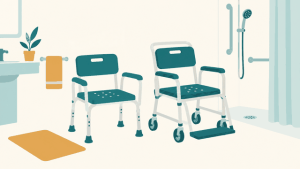
Compact shower chair for seniors
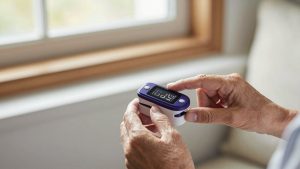
How to choose the best pulse oximeter for elderly parents