Last Updated: October 9, 2026
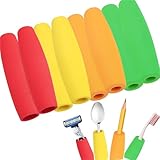
- Top Pick: 8-Pack Foam Grip Tubing for Utensils – 4 Sizes No-Cut Utensils Adaptive Grip Handle for Utensils Tools & Pens – Built up Tubing Padding Grips Aid for Elderly, Disabled, Arthritic, Handicapped
- Best Value: 3-Pack WATER BOTTLE Opener ERGO OPENER | Arthritis Sufferers Elderly Seniors Weak Hands | Easy Twist-Off Plastic Bottle Opening Tool Travel On-Go | Carpal Tunnel | MADE in USA
- Premium Choice: LUTER 4pcs Jar Opener Gripper Pad for Seniors with Weak Hands, Rubber


Introduction
Arthritis, tremors, reduced grip strength, and limited hand dexterity affect millions of elderly adults and can turn everyday kitchen tasks into frustrating and sometimes dangerous challenges. Easy-grip kitchen tools are specifically engineered with larger handles, ergonomic shapes, non-slip surfaces, and reduced force requirements to make cooking and food preparation accessible and safe for seniors. The right set of adaptive kitchen tools can help elderly individuals maintain their independence in the kitchen and continue enjoying meal preparation without pain or assistance.
Key Features to Look For
- Handle Design: Thick, cushioned handles with a diameter of at least 1.5 inches are significantly easier to grip for arthritic hands than standard thin handles. Contoured or T-shaped handles provide leverage with minimal grip force.
- Non-Slip Surface: Soft-touch rubber or silicone handle coatings provide grip even with wet or weak hands. Avoid tools with smooth plastic handles that can slip during use.
- Weight: Lightweight tools reduce arm fatigue for seniors with weakness or tremors. However, some users find slightly weighted tools easier to control — assess individual needs.
- One-Handed Operation: Tools designed for one-handed use — such as suction-cup cutting boards, one-handed can openers, and spring-assisted scissors — are essential for seniors with limited use of one hand.
Top Easy-Grip Kitchen Tool Picks for Elderly
OXO Good Grips 15-Piece Kitchen Tool Set
OXO Good Grips is the gold standard in ergonomic kitchen tools, and their comprehensive 15-piece set covers all the essentials: spatulas, ladles, spoons, whisks, and more. Every tool features OXO’s signature soft, non-slip handle that is comfortable for arthritic hands and easy to grip even when wet. The handles are slightly angled for natural wrist positioning, and the weighted feel provides control without excessive force. Dishwasher safe, durable, and available in multiple colors, this set is ideal as a starter kit for seniors setting up an accessible kitchen.
As an Amazon Associate we earn from qualifying purchases at no extra cost to you.


Kuhn Rikon Easy-Grip Peeler for Arthritic Hands
Peeling vegetables is one of the most commonly cited kitchen challenges for seniors with arthritis. The Kuhn Rikon Easy-Grip Peeler features a soft, wide handle that can be held like a wand rather than pinched like a traditional peeler, dramatically reducing the grip force required. The ultra-sharp stainless steel swivel blade glides through potato and vegetable skins with minimal pressure. Lightweight, dishwasher safe, and available in multiple colors, it is a deceptively simple but genuinely transformative kitchen tool for seniors with joint pain.
Sammons Preston Dycem Non-Slip Mat & Adaptive Cutting Board
For seniors who struggle to stabilize cutting boards or mixing bowls while working, a non-slip mat or adaptive cutting board is an essential safety tool. Dycem non-slip mats are clinically used in occupational therapy and grip virtually any surface — they prevent plates, bowls, and cutting boards from sliding on countertops. Paired with a spiked cutting board that holds food in place for one-handed cutting, they create a much safer food preparation environment for seniors with limited grip strength or the use of only one hand.
Features That Matter for Arthritic Hands
Easy-grip kitchen tools are designed to reduce the strain that gripping, twisting, and squeezing place on hands affected by arthritis or weakness. The handle is the most important feature: look for thick, cushioned, non-slip grips that fit comfortably in the palm and do not require a tight pinch to hold. Tools with built-up or contoured handles let the larger muscles of the hand and arm do more of the work, easing pressure on sore finger joints. A handle that stays secure even when wet adds safety in a busy kitchen.
The right tools can transform everyday tasks. Spring-loaded scissors and shears reopen on their own to reduce repetitive effort, ergonomic peelers and knives reduce wrist strain, and jar and bottle openers provide leverage that hands alone cannot. Lightweight pots, pans, and utensils are easier to lift and control. Choosing tools that address the specific tasks a person finds hardest, rather than buying a large set, ensures the kitchen stays both functional and comfortable.
Tips for Daily Use
A few habits help easy-grip tools deliver their full benefit. Keeping frequently used tools within easy reach reduces unnecessary stretching and lifting, and working at a comfortable counter height, or sitting at a table for tasks like chopping, lessens fatigue. Letting leverage-based tools, such as jar openers and spring-loaded scissors, do the work rather than forcing a movement protects the joints and makes tasks safer.
Pacing and technique matter as well. Breaking larger jobs into smaller steps, using both hands to share the load, and taking short breaks during longer cooking sessions all help prevent strain. Keeping the cushioned grips clean and dry maintains their non-slip quality, and following the manufacturer’s care instructions, including whether a tool is dishwasher safe, keeps the tools in good shape. For anyone with significant hand pain or limited function, an occupational therapist can recommend tools and techniques tailored to their abilities.
Related Guides
- Best Hearing Amplifiers for Seniors: Clear Sound 2026
- Best Incontinence Pads for Adults and Seniors: Comfort, Protection, and Dignity
- Senior Wide Grip Arthritis Pen Writing Review
Frequently Asked Questions
What makes a kitchen tool easy to grip?
Thick, cushioned, non-slip handles that fit comfortably in the palm without requiring a tight pinch are easiest to grip. Contoured or built-up handles let the larger arm and hand muscles do more of the work.
Are spring-loaded scissors better for arthritis?
Yes. Spring-loaded scissors reopen on their own, reducing the repetitive effort of forcing the blades apart, which eases strain on sore finger joints.
Do I need a whole set of adaptive kitchen tools?
Not necessarily. It is often best to choose tools for the specific tasks you find hardest, such as opening jars or peeling, rather than buying a large set you may not fully use.
Are easy-grip tools dishwasher safe?
It varies by product, so check the manufacturer’s care instructions. Keeping cushioned grips clean and dry preserves their non-slip quality and extends the tool’s life.
Can these tools help someone with limited hand strength?
Yes. Leverage-based tools like jar openers, along with lightweight utensils and cushioned grips, reduce the force needed for everyday tasks. An occupational therapist can suggest the best options for significant limitations.
Final Thoughts
Equipping a senior’s kitchen with easy-grip, adaptive tools is one of the most effective ways to support kitchen independence and safety as hand strength and dexterity decline. Start with the tools used most frequently — peelers, spatulas, and cutting boards — and expand the adaptive toolkit based on the individual’s specific challenges. An occupational therapist can provide personalized recommendations for adaptive kitchen equipment tailored to the senior’s exact condition and cooking habits.
Related Reviews & Guides


Magnifier Reading Glasses for Seniors

12 Best Rollator Walkers: Top Picks Reviewed and Compared (2026)