Last Updated: October 7, 2026
Knowing how to get up after a fall can make the difference between a scare and a serious problem. Many older adults who fall are not badly hurt but cannot get up, and lying on the floor for hours can lead to dehydration, pressure injuries, and fear of falling again. Learning a safe technique, and practicing it with a physical therapist, builds confidence. This guide explains how to assess yourself first, the step-by-step method for getting up, and what to do if you cannot. It is general guidance and not a replacement for personalized advice from a clinician.
First: Stay Calm and Check Yourself
After a fall, stay still for a moment and take a few slow breaths. Then check for injuries. Do you have severe pain, especially in the hip, back, or neck? Did you hit your head? Can you move your arms and legs normally? Do you feel dizzy, confused, or short of breath?

VOCIC Upgrade Electric Chair Lift with Wheels, Get Up from Floor, Portable Lift Assist Devices for Elderly, Includes 2 Types Suction Cups, Support Up to 300 LBS, No Assembly, AX10
Included for 'How to Get Up from the Floor After a Fall' because the listing specifies Get Up from Floor and Portable Lift Assist Devices for Elderly, details this guide uses to compare options.
View on Amazon
VOCIC Lightweight Electric Chair Lift AX07
Included for 'How to Get Up from the Floor After a Fall' as a relevant option in this category; details come from the product listing.
View on Amazon
VOCIC Electric Chair Lift Get Up from Floor, AX35
Included for 'How to Get Up from the Floor After a Fall' because the listing specifies AX35, details this guide uses to compare options.
View on Amazon
Jaioyios Electric Chair Lift, Movable Floor Lift for Elderly Falls, Devices to Lift Elderly Off Floor with 4 Wheels, Heavy‑Duty Lift Chair, Max Capacity 440 Lbs
Included for 'How to Get Up from the Floor After a Fall' because the listing specifies Movable Floor Lift for Elderly Falls and Devices to Lift Elderly Off Floor with 4 Wheels, details this guide uses to compare options.
View on Amazon
MediHoist Steel Electric Floor Lift Chair with Wheels and PU Cushion, Floor Lift for Elderly, 440 LBS Capacity, Seat Belts and Handrails, Suitable for Home Use
Included for 'How to Get Up from the Floor After a Fall' because the listing specifies Floor Lift for Elderly and 440 LBS Capacity, details this guide uses to compare options.
View on AmazonIf you have severe pain, cannot move a limb, hit your head hard, or feel unwell, do not try to get up. Call for help using a medical alert device, phone, or by shouting. Emergency services should be contacted for suspected fractures or head injuries.
Step-by-Step: How to Get Up Safely
1. Roll onto your side
Bend the knee on the side you are rolling toward, and roll onto your side.
2. Get onto hands and knees
Push up onto your elbows, then onto your hands and knees. Rest if needed.
3. Crawl to a sturdy chair
Crawl to a stable piece of furniture, such as a sturdy chair, sofa, or bed. Avoid anything that might tip or roll.
4. Place hands on the seat
Put both hands on the seat of the chair.
5. Bring one foot forward
Move your stronger leg forward so your foot is flat on the floor, with the other knee still on the floor.
6. Push up and turn
Push with your arms and front leg to rise, then turn and sit in the chair.
7. Rest and assess
Sit for several minutes before standing. Tell someone about the fall, even if you feel fine.
If You Cannot Get Up
| Situation | What to do |
|---|---|
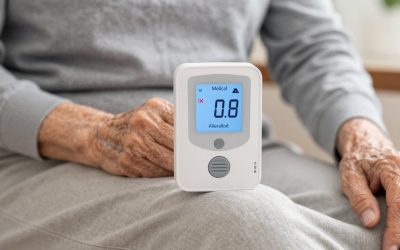
| Medical alert device available | Press the button or wait for automatic fall detection |
| Phone within reach | Call a family member, neighbor, or 911 |
| No phone nearby | Slide toward a phone, or bang on the wall or floor to attract attention |
| Waiting for help | Keep warm with a blanket or clothing; change position slightly every 30 minutes |
| Need to use the toilet | Use a towel or clothing to absorb; move away from wet area |
Prepare Before a Fall Happens
Practice with a professional
A physical or occupational therapist can teach getting up from the floor in a controlled setting, adapted to your abilities and any joint replacements.
Keep a phone accessible
Carry a mobile phone in a pocket or wear a medical alert device with fall detection, especially if you live alone.
Place “safe spots”
Keep sturdy chairs in key rooms to use as support points. Keep a blanket in low places in rooms where you spend time.
Strength and balance training
Exercises for leg strength and balance, such as tai chi or supervised programs, reduce fall risk and make getting up easier.
For Caregivers
If someone falls, do not rush to lift them. Check for injury first. If they can get up, guide them through the steps above with verbal cues, offering a chair for support. Lifting someone by the arms can injure both of you. If they cannot get up, make them comfortable and call for help. Lift assist services from emergency departments or specialized lifting cushions may be options.
After a Fall
Every fall should be reported to a doctor, even without injury. Falls can signal medication side effects, infections, heart rhythm problems, or declining strength. A fall risk assessment can prevent the next one.
FAQ
Should I try to get up immediately after falling?
No. Pause, breathe, and check for injuries first. Getting up too quickly can cause dizziness or worsen an injury.
What if I have had a hip replacement?
Follow your surgeon’s movement precautions. A therapist can teach a modified technique that protects the new joint.
Bottom Line
If you fall, stay calm, check for injuries, and only get up if you feel able: roll to your side, get onto hands and knees, crawl to a sturdy chair, and push up. If you cannot, call for help and keep warm. Practice ahead of time with a therapist and keep a phone or alert device on you.
Related Reviews & Guides

6 Best Senior Prepaid Cell Phones 2026

Best Premium Walk in Bathtubs with Hydrotherapy Jets in 2026: Compared and Ranked