Last Updated: October 9, 2026

TL;DR: A recliner footrest cushion provides padded leg elevation that reduces lower limb swelling, relieves pressure on the lumbar spine, and eases knee and hip joint stress for seniors. The right recliner footrest cushion adds therapeutic support where standard recliner padding fails — particularly for users with edema, arthritis, or post-surgical recovery needs.
Best Recliner Footrest Cushion for Elderly: Leg Elevation and Joint Support Guide
Standard recliners are designed for the average adult body — not for a 75-year-old managing edema, a recent knee replacement, or peripheral artery disease. The footrest panel on most consumer-grade recliners is too firm, sits at the wrong angle, and provides no meaningful cushioning for sensitive heels and calves. A dedicated recliner footrest cushion bridges that gap, transforming an ordinary chair into a medically appropriate rest position.
As an Amazon Associate we earn from qualifying purchases.



This guide explains why leg elevation matters clinically, what physical properties make a footrest cushion effective for older adults, and how to select and position the right product.
🛒 Best Price Today on Amazon
Prime members get fast, free shipping on everything above, plus member-only deals. New members get a 30-day free trial — cancel anytime.
Start 30-Day Prime Free Trial →See Today’s Amazon DealsWhy Leg Elevation Matters for Seniors
Gravity works against venous return. Blood and interstitial fluid pool in the lower extremities during prolonged sitting or standing, causing the swelling that millions of seniors experience daily. Clinical guidelines from vascular medicine and wound care consistently recommend limb elevation as a core management strategy for:
- Dependent edema — fluid accumulation in ankles and feet from cardiac, renal, or venous insufficiency causes
- Chronic venous insufficiency (CVI) — weakened vein valves fail to push blood upward effectively
- Lymphedema — impaired lymphatic drainage that causes persistent tissue swelling
- Post-surgical recovery — elevation reduces inflammation after knee, hip, or ankle procedures
- Diabetic foot care — controlled elevation combined with pressure relief protects fragile tissue
- Heel pressure ulcer prevention — the heel is the second most common pressure injury site; offloading it entirely is the standard of care
The target elevation for therapeutic benefit is 30–45 degrees above heart level, achievable in a properly reclined position with adequate cushion support under the calf and heel.
Problems with Standard Recliner Footrests
Even high-quality recliners have footrest designs that create clinical problems for elderly users:
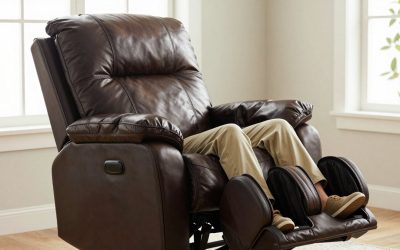
- Heel contact pressure: The rigid footrest panel creates a small, concentrated pressure point directly under the heel bone. For seniors with fragile skin, this pressure can cause skin breakdown within hours.
- Calf compression: The footrest edge cuts into the posterior calf, compressing the popliteal vessels and superficial veins — the opposite of therapeutic elevation.
- Incorrect angle: Most footrests elevate the heel less than 20 degrees, insufficient to drive meaningful venous return.
- No pressure redistribution: Firm foam or synthetic panels cannot redistribute weight across the full leg surface the way medical-grade cushions do.
What a Good Recliner Footrest Cushion Must Do
| Requirement | Clinical Rationale | Product Specification |
|---|---|---|
| Heel offloading | Prevents pressure ulcer formation at bony heel prominence | Heel cutout or zero-contact heel zone |
| Calf support without compression | Distributes weight across full calf surface | Memory foam or gel-infused foam, minimum 3-inch depth |
| Elevation angle | 30–45 degrees above heart promotes venous return | Wedge design or adjustable angle |
| Non-slip base | Prevents cushion displacement during position changes | Rubberized or textured underside |
| Washable cover | Hygiene for users with wound care needs or incontinence | Removable, machine-washable zip cover |
| Adequate width | Accommodates swollen limbs without compression at sides | Minimum 14-inch width |
Recommended Recliner Footrest Cushion
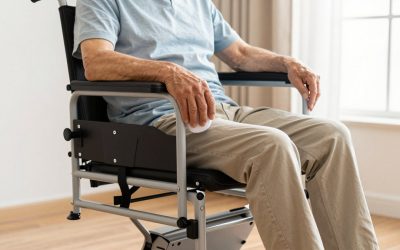
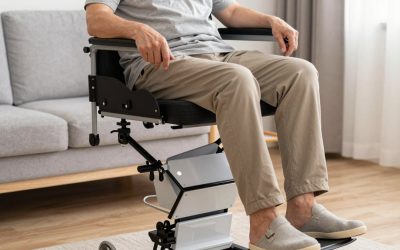
The cushion below is designed specifically for leg elevation and pressure redistribution in a recliner or chair setting. It provides the foam depth and surface area needed for seniors managing edema or circulation concerns.

soundfuse Foldable Rollator Walkers for Seniors with 16" Ergonomic Arc Seat | Sturdy Frame, Double Support Bar, 8" Wheels for All Terrain, Padded Seat, Dual Height Adjustable, Tool-Free Assembly


As an Amazon Associate we earn from qualifying purchases. Product prices and availability are accurate as of the date/time indicated.
soundfuse Foldable Rollator Walkers for Seniors with 16" Ergonomic Arc Seat | Sturdy Frame, Double Support Bar, 8" Wheels for All Terrain, Padded Seat, Dual Height Adjustable, Tool-Free Assembly
As an Amazon Associate we earn from qualifying purchases. Product prices and availability are accurate as of the date/time indicated.
soundfuse Foldable Rollator Walkers for Seniors with 16" Ergonomic Arc Seat | Sturdy Frame, Double Support Bar, 8" Wheels for All Terrain, Padded Seat, Dual Height Adjustable, Tool-Free Assembly
As an Amazon Associate we earn from qualifying purchases. Product prices and availability are accurate as of the date/time indicated.
Positioning Protocol for Maximum Benefit
Product selection is only half the equation. Proper positioning determines whether elevation provides clinical benefit or creates new pressure problems:
- Recline the chair first, then position the cushion so it supports from mid-calf to heel.
- Ensure the heel is fully suspended — if using a wedge design, the heel should overhang the edge or sit in a heel-relief cutout, not bear weight.
- Check that the cushion edge is not pressing behind the knee. Compression at the popliteal fossa restricts venous drainage — the opposite of the intended effect.
- Limit continuous elevation sessions to 2–4 hours. Prolonged elevation without repositioning can cause its own pressure issues. Encourage the senior to change position every 2 hours.
- Inspect skin after each session for any redness or skin breakdown, particularly at the calf contact zone.
Who Benefits Most
Recliner footrest cushions deliver the greatest benefit to seniors in these specific clinical situations:
- Post-knee or hip replacement: Elevation is standard post-surgical care. A hospital-grade foam footrest extends that protocol into home recovery.
- Heart failure with fluid retention: Leg elevation reduces pre-load pressure in the venous system, supporting cardiac workload management.
- Diabetic neuropathy: Reduced sensation makes pressure injury risk severe. A heel-offloading cushion removes that risk entirely while the senior rests.
- Sedentary seniors who spend 6+ hours in a chair daily: Extended seated time without elevation accelerates ankle and foot swelling. A recliner footrest cushion is a practical daily-use intervention.
For seniors who spend significant time in their recliner, the footrest cushion works best as part of a broader seating comfort setup. Review our guide to best recliners for elderly users to ensure the chair itself supports proper positioning. Our article on seat cushions for elderly covers complementary pressure relief for the sitting surface. For seniors managing swelling alongside pain, our arthritis aids for seniors guide provides additional product options.
Frequently Asked Questions
How high should a recliner footrest cushion elevate the legs for seniors with edema?
Vascular and wound care guidelines generally recommend elevation of the affected limb above heart level — approximately 30 to 45 degrees. In a fully reclined position, a 4–6 inch wedge cushion under the calf achieves this angle for most adults. The ankle and knee should both be above the level of the heart for maximum fluid return benefit.
Can a recliner footrest cushion help with heel pressure sores?
Yes, provided the cushion is designed with a heel-offloading feature. Standard foam wedges elevate the leg but still allow heel contact. A cushion with a heel cutout or relief zone suspends the heel entirely, eliminating the localized pressure that causes skin breakdown. For seniors with existing heel wounds or high pressure ulcer risk, heel offloading is non-negotiable.
Is a memory foam or gel footrest cushion better for elderly users?
Memory foam conforms to the leg shape and distributes pressure across a larger surface area, reducing peak pressure at any single point. Gel-infused foam adds a cooling property useful for seniors who run warm. For most seniors, high-density memory foam (3–4 lb density) provides the best combination of pressure redistribution and durability. Pure gel cushions can bottom out over time and lose their therapeutic elevation.
How do I keep a recliner footrest cushion from sliding?
Look for cushions with a textured or rubberized underside that grips the recliner footrest surface. Additionally, some caregivers use non-slip shelf liner material cut to size and placed under the cushion. Velcro attachment strips are another option for securing the cushion to a cloth or faux-leather footrest panel. Avoid tape-based solutions on upholstered surfaces.
Can a senior use a recliner footrest cushion after knee replacement surgery?
Yes, with physician approval. Post-surgical elevation is a standard component of lower extremity recovery protocols. The key requirement is that the cushion supports the entire leg from mid-calf to heel without creating pressure behind the knee. The surgical site should not bear direct contact with the cushion surface. Always confirm positioning protocols with the orthopedic surgical team before making changes to the post-operative care plan.
Related Reviews & Guides


Quick Picks: Best Compression Gloves for Arthritis and…

8 Best Power Lift Recliners for Elderly 2026