Last Updated: September 27, 2026
A rollator, the wheeled walker with hand brakes and a built-in seat, can give an elderly parent the confidence to walk farther, shop, and get out of the house again. The wrong rollator can do the opposite: too tall, too heavy, or too wide for the doorways, it ends up parked in a corner while the parent goes back to furniture-walking. Rollators look similar in photos, but small differences in height, wheel size, and brake design decide whether one works. This guide walks through what to check, how to size it, and how to use insurance to pay for it.
Quick answer: Our top pick in 2026 is the Handle height — our #1 rated choice. See the full ranked comparison, alternatives and buying advice below.
First, is a rollator the right walker?
Rollators are best for people who have reasonable balance but tire easily or need a steady support while walking. They roll freely, so a person who leans heavily or has significant balance loss may push the rollator away from their body. Standard walkers without wheels, or two-wheeled walkers, offer more stability for those people. A physical therapist can watch your parent walk and recommend the right type, which also supports insurance coverage.

Drive Medical Rollator Walker with Seat, 7.5 Inch Wheels, Blue
Included for 'What to Look for When Buying a Rollator Walker for Elderly Parents' because the listing specifies 7.5 Inch Wheels and Blue, details this guide uses to compare options.
View on Amazon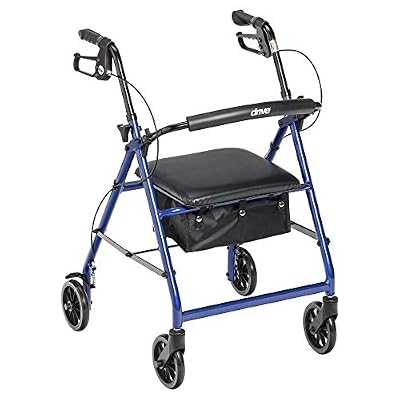
Drive Medical Aluminum Rollator Walker, Padded Seat, 6-Inch Wheels, Blue
Included for 'What to Look for When Buying a Rollator Walker for Elderly Parents' because the listing specifies Padded Seat and 6-Inch Wheels, details this guide uses to compare options.
View on Amazon
Drive Medical Nitro Sprint Rollator Walker with Seat, Standard Size, Red
Included for 'What to Look for When Buying a Rollator Walker for Elderly Parents' because the listing specifies Standard Size and Red, details this guide uses to compare options.
View on Amazon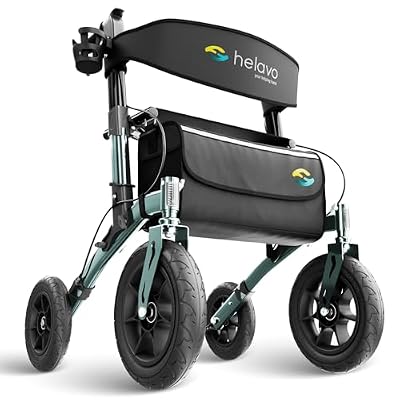
Helavo All Terrain Walker, 12" Pneumatic Tires, Outdoor Rollator Walker
Included for 'What to Look for When Buying a Rollator Walker for Elderly Parents' because the listing specifies 12" Pneumatic Tires and Outdoor Rollator Walker, details this guide uses to compare options.
View on AmazonKey features to compare
| Feature | Common range | What to look for |
|---|---|---|
| Handle height | About 29–39 inches | Level with the wrist crease when standing with arms relaxed |
| Seat height | About 18–25 inches | Feet flat on floor with knees near 90 degrees when seated |
| Frame weight | About 12–22 pounds | Lighter if it must go in a car trunk often |
| Weight capacity | About 250–500 pounds | At least 50 pounds above the user’s weight |
| Wheel diameter | 6, 8, or 10 inches | 6 inches for indoors; 8–10 inches for sidewalks and grass |
| Overall width | About 22–27 inches | Narrower than the tightest doorway at home |
Sizing the rollator correctly
Handle height
Have your parent stand in their usual shoes with arms hanging relaxed. The handle grips should line up with the crease of the wrist. When holding the handles, the elbows should bend slightly, about 15 to 20 degrees. Handles set too high push the shoulders up; too low and the person hunches forward.
Seat height and depth
The seat is for resting, not for being pushed around. When seated, feet should rest flat and knees should be close to level with the hips. Petite or low-seat models suit people under about 5 feet 4 inches; tall models suit people over about 6 feet.
Brakes and safety features
Loop brakes that also lock
Most rollators use loop brakes: squeeze to slow, push down to lock. Check that your parent can squeeze and push down with the grip strength they have. Arthritis in the hands can make stiff brakes difficult. Brakes should always be locked before sitting down.
A sturdy backrest
A padded backrest or strap keeps a seated person from tipping backward. Some fold away when walking.
Where your parent will use it
Mostly indoors
Smaller 6-inch wheels and a narrow frame make turning in hallways and bathrooms easier. Check that the rollator fits through the bathroom doorway, which is often the narrowest in the house, sometimes only 24 inches.
Mostly outdoors
Larger 8- to 10-inch wheels roll over cracked sidewalks, curbs, and grass with less jarring. Heavier frames feel more stable outside but are harder to lift into a car.
Three-wheel versus four-wheel
Three-wheel rollators are narrow and nimble but offer less stability and usually no seat. Four-wheel models are the standard choice for people who want a place to rest.
Paying for a rollator
Medicare Part B generally covers walkers, including rollators, as durable medical equipment when a doctor documents the medical need in the record. After the Part B deductible, the beneficiary typically pays 20% of the Medicare-approved amount, and the supplier must be enrolled in Medicare. Medicare Advantage plans cover walkers too but may require in-network suppliers. Medicaid covers walkers in most states, and eligible veterans can receive mobility aids through the VA. Rollators are HSA and FSA eligible.
Helping your parent adopt it
Many parents resist a walker because it signals aging. Framing it as a way to go shopping, walk the dog, or attend events without getting tired can help. A short session with a physical therapist on using the brakes, turning, and managing curbs builds confidence and reduces fall risk.
FAQ
Can someone ride on a rollator seat while being pushed?
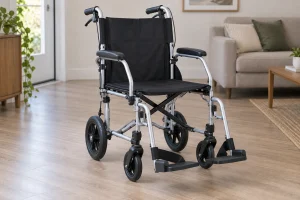
No. Rollator seats are designed for resting while parked with the brakes locked. Pushing someone seated on a rollator can cause tipping and serious falls. If your parent needs to be pushed, a transport chair or wheelchair is the safe option.
How do I know if my parent needs a rollator versus a cane?
A cane offers light support on one side for mild balance issues. A rollator supports both hands and offers a rest seat, which suits people with fatigue, weakness, or moderate balance problems. A physical therapist can assess which is safer.
Bottom line
When buying a rollator for an elderly parent, fit the handle height to the wrist crease, match seat height to their leg length, choose wheel size for where they walk, confirm the frame fits through home doorways, and make sure they can operate the brakes. Get a physical therapist’s input and a doctor’s documentation so Medicare or other coverage can help with the cost.
Ready to decide? Our #1 pick for 2026 is the Handle height.
Live price & availability on Amazon.
Related Reviews & Guides



Chair Exercises vs Standing Exercises for Seniors
Lightweight shower chair for seniors