Last Updated: October 22, 2026
The best women’s winter boots with arch support combine a contoured footbed, a firm shank, a slip-resistant outsole and enough warmth for your climate, and the Sorel Joan of Arctic, the Merrell Thermo Chill and the Kamik Momentum are well-known options that podiatrists and reviewers mention. For older women, traction and a removable insole count as much as the arch itself, because icy sidewalks are where most winter falls happen.
A boot that looks cozy but has a flat, thin footbed can leave your arches aching within an hour. A better boot supports the foot and lets you add your own orthotic when needed.
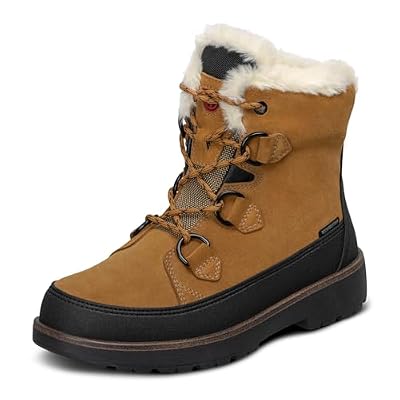
Orthofeet Stowe Orthopedic Womens Leather Snow Boots, Wheat, Size 8.5 Wide | Waterproof, Slip Resistant Winter Booties with Cozy Faux Fur Lining, Side Zipper, Lugged Sole, Arch Support, Wide Toe Box
Included for 'Best Women's Winter Boots With Arch Support for 2026' because the listing specifies Wheat and Size 8.5 Wide, details this guide uses to compare options.
View on Amazon
Vionic Womens Unwind Bootie Booties Tan Suede 11 Medium
Included for 'Best Women's Winter Boots With Arch Support for 2026' as a relevant option in this category; details come from the product listing.
View on Amazon
Vionic Women's Catina Fashion Boot Dark Olive
Included for 'Best Women's Winter Boots With Arch Support for 2026' as a relevant option in this category; details come from the product listing.
View on Amazon
VIONIC Women's Sonora Black Leather Wide Calf 8 Medium
Included for 'Best Women's Winter Boots With Arch Support for 2026' as a relevant option in this category; details come from the product listing.
View on AmazonWhat to check before buying
Footbed and arch contour
Press your thumb into the insole. A supportive footbed has a visible rise under the arch and a deep heel cup, not a flat foam pad. Boots with removable insoles let you replace them with a custom or store-bought orthotic.
Shank and sole stiffness
Bend the boot. It should flex at the ball of the foot and resist bending in the middle. A rigid midfoot helps the arch work less.
Traction
Look for deep lugs and a rubber compound that stays grippy in the cold. Some boots advertise ice-grip outsoles, such as Vibram Arctic Grip, designed for wet ice. Consider clip-on ice cleats on very slick days.
Insulation and temperature rating
Ratings are usually given as the temperature at which the boot keeps feet comfortable during activity. Treat them as estimates, since circulation varies. If your feet get cold easily, choose a lower rating than you think you need.
Weight and ease of entry
Heavy boots tire stiff legs. A boot of about 2 to 3 pounds a pair is common. Zippers, side openings and wide mouths make dressing easier for people with arthritis.
Boots to consider
Sorel Joan of Arctic: best warm, supportive classic
Highly insulated with a contoured footbed and a waterproof build. A podiatrist quoted in press roundups praises its arch support, though it is on the pricier side and fairly heavy.
Merrell Thermo Chill Mid Waterproof: best arch and ice traction
Features a supportive insole and ice-grip rubber. Often recommended for people with plantar fasciitis, and lighter than many snow boots.
Kamik Momentum: best value insulated boot
A lower-cost waterproof boot that is easy to find. Arch support is moderate, so many wearers add an insert.
Ugg Adirondack hiker-style boot: best stylish padded option
Fashionable and cushioned. Check the sole for traction before relying on it in ice.
Orthofeet winter boots: best therapeutic support
Built with orthopedic insoles and roomy fits for sensitive or swollen feet. They can look bulkier than fashion boots.
Skechers Arch Fit boots: best light, casual choice
Arch-supportive insole with a lighter feel. Better for cold, dry days than deep snow.
Compare them
| Boot | Arch support | Waterproof | Ice traction | Best for | Price tier |
|---|---|---|---|---|---|
| Sorel Joan of Arctic | Strong | Yes | Good snow lugs | Deep cold | Premium |
| Merrell Thermo Chill Mid | Strong | Yes | Ice-grip rubber | Slick sidewalks | Upper mid |
| Kamik Momentum | Moderate | Yes | Standard | Everyday value | Budget to mid |
| Ugg Adirondack hiker | Moderate to strong | Water resistant | Check tread | Casual winter wear | Premium |
| Orthofeet winter boot | Strong, orthopedic | Yes | Standard | Sensitive feet | Upper mid |
| Skechers Arch Fit boot | Moderate | Varies | Standard | Light use | Budget |
Sizing and fit for winter
- Try boots on with the thick socks you will wear, ideally wool or a wool blend.
- Allow room to wiggle your toes. Tight boots cut circulation and make feet colder.
- Test them on a slope or ramp if the store has one. Your heel should not lift.
- If you add an orthotic, take out the factory insole first.
- Check for easy zippers, pull tabs and wide openings.
Staying safe on ice
Even a good boot can slip. Slide-on traction cleats add grip for short outings. Take small, flat-footed steps on ice, keep your hands free of heavy bags and use a cane tip made for ice if you use one. Dry salt-stained boots away from direct heat to protect the footbed and glue.
Frequently asked questions
Can I add my own arch support to winter boots?
Usually yes, if the boot has a removable insole and enough depth. Take out the factory insole before adding yours.
Are lined boots too warm for indoor use?
Yes. Change into indoor shoes when you arrive. Wearing winter boots all day can cause sweaty, cold feet later.
How do I know if a boot has real arch support?
Look for a visible arch contour, a firm midsole and a deep heel cup. Soft, flat foam without shape is cushioning, not support.
Which one should you choose?
For cold climates and strong support, start with the Sorel Joan of Arctic or the Merrell Thermo Chill. For a lower price, pick the Kamik Momentum and add an arch insert. If your feet are sensitive or swollen, an Orthofeet boot is worth considering. Prioritize traction and a removable footbed over appearance.