Last Updated: November 27, 2026
A 3-inch body lift answers one specific question: how do you gain room for larger tires without changing how the truck drives? The kit raises the body three inches off the frame by fitting taller pucks between the body mounts and the frame, while the suspension, axles and steering geometry stay exactly where the factory put them. That is the whole point of a body lift, and it is also the line that separates it from a suspension lift, which raises the frame itself by changing springs, shocks and control arms.
This guide is for pickup and SUV owners — Silverado and Sierra, F-150, Tacoma, Ram and Jeep drivers in particular — who want a taller stance and bigger tires on a budget, without a new suspension. It explains what a complete 3-inch kit contains, how to match a kit to one exact truck, which makers build these kits, and what changes once the body sits higher on the frame.
As an Amazon Associate we earn from qualifying purchases.
How to Choose
Start With Exact Fitment, Not the Height
There is no universal 3-inch body lift, because body mounts, cab shapes and bed lengths change with every generation of every truck. A kit built for a 2019-2024 Silverado 1500 crew cab will not fit a 2007-2013 model, and a kit for a 4WD Tacoma may not fit the 2WD version of the same year. Match year, make, model, cab style, bed length and drivetrain against the maker fitment guide before anything else. Then check the exclusion list: some kits exclude certain trims, diesel engines, or trucks with factory running boards that mount to the body. The maker guide is the authority, not a marketplace compatibility checker.
Know What a Body Lift Does and Does Not Do
A body lift raises the body, not the frame, so the ground clearance under the axles and frame stays the same. What you gain is room in the wheel wells: the body sits higher over the tires, which is what lets a larger tire fit without rubbing the fenders. The suspension, steering angles and ride quality stay stock, which is why a body lift feels so different from a suspension lift of the same height. The trade is visible: a gap opens between the body and the frame, and the bumpers, which bolt to the frame, sit lower relative to the body unless the kit moves them. Understand that trade before you buy, because it shapes every other choice.
Check What the Kit Includes Beyond the Pucks
The pucks are only the start. A kit also carries the parts that close the gaps the lift creates: gap guards that hide the space between the body and the frame, front and rear bumper relocation brackets that raise the bumpers back into line with the body, a steering shaft extension that keeps the steering column connected, and a fuel filler extension so the tank neck still reaches the body. Some kits add radiator drop brackets, shift linkage extensions and new body mount bolts of the correct grade and length. A kit that ships pucks alone leaves you hunting for the rest. Compare the parts list line by line, and treat a thin list as a warning, not a bargain.
Plan the Install and the Checks That Follow
A 3-inch body lift is a bigger job than a levelling spacer: every body mount must be loosened, the body lifted evenly, and the new pucks fitted one corner at a time, so most owners book a day or pay a shop. You need a jack and stands, a second pair of hands, and the torque figures from the kit instructions, since body mount bolts must be tightened to the maker specification, not by feel. After the install, check the steering shaft, the fuel filler neck, the shift linkage and the radiator hoses for binding or stretch, and confirm the headlights still aim where they should. A short drive, then a second check of every bolt, closes the job properly.
What a 3-Inch Body Lift Kit Contains
Body Mount Pucks and Hardware
The pucks are the heart of the kit: tall spacers, usually moulded from high-density polyethylene or cast from aluminium, that sit between the body mounts and the frame and hold the body three inches higher. A full set covers every mount on the truck, cab and bed included, and ships with new bolts long enough to pass through the taller stack. Bolt grade matters here, because these fasteners carry the body, so a kit that names its hardware grade and supplies new bolts is worth more than one that asks you to reuse the old ones. Count the pucks against your truck mount layout before ordering.
Gap Guards
Once the body rises, the space between the body and the frame is open to the eye, and gap guards are the panels that close it. They bolt along the sides of the frame and hide the frame rails, wiring and fuel lines from view, which is what makes a lifted truck look finished instead of unfinished. Some kits include them, some list them as an add-on, and a few leave them out entirely. If the look of the truck matters to you, confirm gap guards are in the box before you buy, not after the install.
Bumper Relocation Brackets
The bumpers bolt to the frame, so after a body lift they sit three inches lower relative to the body, leaving an awkward step under the grille and the tailgate. Relocation brackets raise the bumpers back into line, and on many trucks the front brackets also carry the tow hooks. Check whether the kit includes both front and rear brackets: some kits cover the front only and leave the rear bumper hanging low. Also check the hitch, which stays with the frame, since a receiver that sat flush with the bumper may now sit below it.
Steering, Fuel and Cooling Extensions
A body lift moves the body away from everything mounted to the frame, so the links between the two need lengthening. The steering shaft gets an extension so the column still reaches the steering box, the fuel filler neck gets a longer hose or spacer so the cap still meets the body, and the radiator usually drops on brackets so its hoses and shroud stay aligned. Automatic trucks may also need a shift linkage adjustment so the gear selector still finds every position. These small parts decide whether the truck drives normally afterwards, so a kit that includes them is doing the real work.
The Makers Behind 3-Inch Body Lifts
Rough Country
Rough Country is the most widely stocked name in this class, with 3-inch body lift applications for the common full-size trucks, including Silverado and Sierra, F-150 and Ram, plus Tacoma and Jeep lines. Its kits are known for including the full supporting hardware — gap guards and bumper brackets alongside the pucks — rather than pucks alone. The company sells maker-direct and through off-road retailers and marketplace brand stores, and publishes detailed fitment guides that list the year ranges and cab styles each kit covers.
Performance Accessories
Performance Accessories is the specialist that built its name on body lifts alone, and its 3-inch kits are the reference point other makers are measured against. The company machines its pucks from high-density polyethylene and sells kits for a long list of trucks and SUVs, including older generations that other makers have stopped covering. Its kits carry the full set of extensions — steering, fuel and bumper hardware — and its fitment data runs deep, with separate part numbers for cab styles and drivetrains that share a model name.
Zone Offroad
Zone Offroad sits in the middle of the market, building 3-inch body lift kits for the mainstream trucks with an emphasis on complete hardware and clear instructions. Its kits cover Silverado and Sierra, F-150, Ram and Tacoma applications, and include gap guards and bumper relocation brackets as standard on most lines. Zone sells through its own site and off-road retailers, and its install guides are written for home fitting, with torque figures and a step order that follows the body mount layout of each truck.
Supreme Suspensions
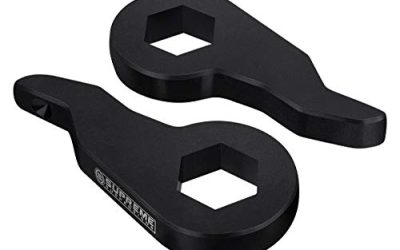
Supreme Suspensions covers the budget end of the 3-inch body lift market, with kits for the common trucks and SUVs at a lower hardware cost than the specialist names. Its kits use moulded pucks with new bolts and the usual extensions, and the line is broad enough to cover many year ranges from one catalogue. The buying discipline here is the same as anywhere in this class: match the exact year and cab style, check the parts list for gap guards and bumper brackets, and confirm the steering and fuel extensions are included.
Which One Fits Your Situation
You Want Bigger Tires on a Tight Budget
Pick a complete 3-inch body lift from any of the four makers above, matched to your exact truck. The body lift gives you the tire room without new springs or shocks, which keeps the hardware bill and the install time low. Spend the saving on the parts that finish the job — gap guards and bumper brackets — because a cheap kit without them looks unfinished and costs more to complete later.
You Tow or Haul With Your Truck
Choose a kit with the full extension set — steering, fuel and bumper hardware included — and keep the suspension stock. Towing and hauling depend on the frame, springs and hitch, none of which a body lift changes, so your towing capacity stays as the factory set it. The one check that matters is the hitch: confirm the receiver still lines up with the bumper and the trailer wiring still reaches after the body moves up.
You Drive a Daily Driver and Want the Stock Ride
A body lift is the right call here, because it leaves the suspension, steering angles and alignment untouched, so the truck rides and steers the way it did before. Pick a kit from Rough Country or Performance Accessories with gap guards included, since a daily driver is the truck you look at every morning. Book the install for a weekend, and check the steering shaft and fuel filler before the first commute.
You Want the Cleanest Finished Look
Buy the kit with the most complete finishing hardware, even if the pucks alone cost less elsewhere. That means gap guards, front and rear bumper relocation brackets, and a steering extension in the box, from Zone Offroad or Rough Country where those parts are standard. The difference between a finished lift and an unfinished one is entirely in these parts: without them, the frame gap and the dropped bumpers give the truck away at first glance.
Common Mistakes
- Ordering a kit by the truck model name alone and skipping the year range, cab style and drivetrain, then finding the body mounts do not line up.
- Buying pucks alone and discovering afterwards that gap guards, bumper brackets and the steering extension cost as much again.
- Assuming a 3-inch body lift adds ground clearance under the frame, when only the body rises and the axles stay where they were.
- Forgetting the fuel filler extension, which leaves the filler neck stretched or the cap sitting short of the body.
- Skipping the second bolt check after the first drive, when newly seated body mounts settle and fasteners can lose torque.
Frequently Asked Questions
Is a 3-inch body lift the same as a 3-inch suspension lift?
No. A body lift raises the body off the frame with taller pucks at the body mounts, while the suspension stays stock. A suspension lift raises the frame itself with new springs, shocks and arms, which changes ground clearance, ride and alignment. The two give the same headline height but do completely different jobs, and many trucks run both together.
Will a body lift change how my truck rides?
No, and that is its main attraction. The springs, shocks and control arms are untouched, so ride quality, steering feel and alignment stay as the factory set them. The only driving difference is the higher step into the cab and a slightly higher centre of gravity, which is worth remembering on a tall truck but does not change the suspension at all.
Do I need an alignment after a body lift?
Generally no, because nothing in the suspension or steering geometry moves: the body rises while the frame and running gear stay put. That is one of the real savings of a body lift against a suspension lift. Still, check the steering shaft connection and the headlight aim after the install, since both sit on the body, and have any binding or pull looked at before a long trip.
Can I fit a body lift and a suspension lift together?
Yes, the two stack, and many owners combine a 3-inch body lift with a suspension lift to reach a taller total height and fit much larger tires. The body lift adds room above the frame while the suspension lift raises the frame itself. Plan the combination carefully: the total height changes entry, handling and local inspection rules, and each kit must still match your exact truck on its own.
Related Reviews & Guides



Best Adjustable Beds for Seniors 2026: 7 Picks

Best 3-Inch Lift Kits: A Buying Guide (December 2026)