Last Updated: September 27, 2026
Caregiving costs add up fast. Surveys of family caregivers regularly find they spend thousands of dollars a year out of pocket on supplies, equipment, travel and lost wages. When money is tight, the glossy gadgets advertised to caregivers can feel out of reach, and some of them are not worth the money anyway. The good news is that the tools that make the biggest difference are often inexpensive, borrowable or covered by a program you may not know about. This guide focuses on getting the most safety and relief per dollar.
Quick answer: Our top pick in 2026 is the Weekly AM/PM pill organizer — our #1 rated choice. See the full ranked comparison, alternatives and buying advice below.
Borrow before you buy
Many communities have medical equipment loan closets run by churches, senior centers, Lions Clubs, disease associations or Area Agencies on Aging. They lend walkers, wheelchairs, shower chairs, commodes, hospital beds and sometimes lift chairs, usually free. Equipment is often only needed for a few weeks or months, so borrowing avoids buying something that ends up in a closet. Call your local Area Agency on Aging or the Eldercare Locator to find the nearest loan program.
Low-cost tools with high impact
| Tool | Approx. cost | What it solves |
|---|---|---|
| Weekly AM/PM pill organizer | $5–$15 | Missed or doubled doses |
| Plug-in motion night lights | $10–$25 for a pack | Night-time falls |
| Shower chair and handheld shower | $30–$70 | Bathing safely while seated |
| Raised toilet seat with arms | $30–$60 | Difficulty sitting and rising |
| Gait belt | $10–$20 | Safer help with standing and walking |
| Wireless doorbell used as a call button | $15–$30 | Calling the caregiver from another room |
| Large-button phone with photo speed dial | $25–$60 | Staying in touch, reaching help |
| Non-slip bath mat and rug grippers | $10–$25 | Slips on wet or loose surfaces |
Free or nearly free tech
- Phone reminders and alarms for medications and appointments.
- Shared calendars and group chats among family members.
- Location sharing built into most smartphones, with consent.
- Smart speaker (often $25 to $50 on sale) for voice reminders, hands-free calls and simple questions.
- Old tablet or phone as a video calling device for the person receiving care.
Where to find money
Medicare
Medicare Part B covers durable medical equipment such as walkers, wheelchairs, hospital beds, commodes and patient lifts when prescribed by a doctor and supplied by an enrolled supplier. You typically pay 20 percent after the deductible. It does not cover shower chairs, grab bars or most bathroom equipment. Medicare Advantage plans may offer extra benefits like over-the-counter allowances, meals after hospital stays or transportation.
Medicaid and waivers
Medicaid covers more home equipment than Medicare in many states, and home and community-based waiver programs can pay for aides, home modifications, emergency response systems and sometimes family caregivers themselves. Waiting lists exist in some states, so apply early.
Other sources
- The National Family Caregiver Support Program, through Area Agencies on Aging, funds respite and supplies in many areas.
- Veterans may qualify for equipment, home modifications and caregiver stipends.
- Disease associations sometimes offer small grants or equipment.
- Tax deductions for medical expenses, and dependent care credits, can offset some costs.
What not to spend on
Be cautious about long subscription contracts, expensive camera systems when a simple sensor would do, and specialty products marketed specifically to seniors at a premium when an ordinary version works just as well. Used medical equipment can be a bargain, but avoid used mattresses and anything with worn motors or frayed cords.
Protecting your own finances
Keep receipts for everything; they matter for taxes and for reimbursement from siblings or the person’s own funds. If the person receiving care can contribute, a written caregiver agreement clarifies who pays for what. Before quitting a job to provide care, talk with a benefits counselor about the effects on your income, retirement and health insurance.
FAQ
How can I get free medical equipment for a parent?
Try local loan closets, Area Agencies on Aging, disease associations and faith communities first. For items Medicare covers, a doctor’s prescription and an enrolled supplier keep your share to about 20 percent.
Is a medical alert system worth it on a tight budget?
For someone living alone with fall risk, often yes. Look for plans without long contracts or equipment fees, and check whether Medicaid or a Medicare Advantage plan covers one.
Bottom line
On a tight budget, borrow equipment before buying, prioritize inexpensive safety basics, use free tech you already own and dig into Medicare, Medicaid, veterans and local programs. Save receipts and protect your own finances along the way.
Ready to decide? Our #1 pick for 2026 is the Weekly AM/PM pill organizer.
Live price & availability on Amazon.
Related Reviews & Guides

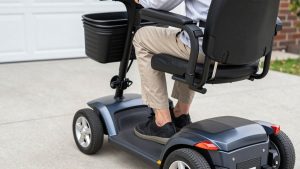
Best Mobility Scooter for Outdoor Use

Does Medicare Cover Home Health Aides