Last Updated: September 26, 2026
Back pain changes how a person sits, stands, and rests, and a standard recliner can make things worse by letting the lower spine slump into an unsupported curve. A lift chair designed with back comfort in mind can reduce the strain of rising from a seat and offer positions that feel easier on sore muscles and joints. This guide explains what to look for, how different recline styles affect the spine, and how to fit a chair so it supports rather than aggravates discomfort. It is not a substitute for medical advice, and anyone with ongoing or severe pain should talk to their doctor or physical therapist.
How a Lift Chair Can Ease Back Strain
Getting up from a low chair usually involves bending forward, pushing through the arms, and twisting slightly, all of which load the lower back. A lift chair raises and tilts the seat so the user starts from a higher position and can come to standing with less bending. For many people with back pain, that is the main benefit: fewer painful transitions throughout the day.

Lulestia Dual Motor X Large Lift Recliner Chair for Elderly, Leather Brown
Included for 'Best Lift Chair for Back Pain' because the listing specifies Leather Brown, details this guide uses to compare options.
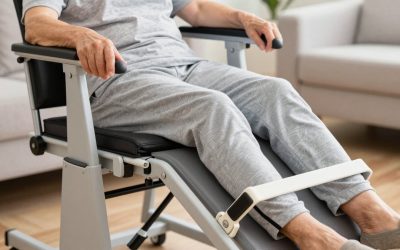
View on AmazonThe second benefit is positioning. Some people find relief with the knees raised and back slightly reclined, a posture that can reduce pressure on the lower spine. Chairs with independent back and leg control make it easier to find that sweet spot.
Features That Matter Most for Back Pain
Lumbar support
Look for a backrest that fills the natural inward curve of the lower back. Some chairs have built-in lumbar contours; others offer adjustable or powered lumbar support. If the chair lacks it, a small lumbar pillow can fill the gap, but the chair’s shape should not force the spine into a C curve.
Independent motors
A dual-motor or infinite-position chair lets the user adjust the back angle and footrest separately. That flexibility helps people experiment with positions that ease their particular pain rather than accepting a fixed recline path.
Seat depth
If the seat is too deep, the user either slides forward, losing lower-back support, or sits with the backs of the knees pressed against the cushion edge. A seat depth that leaves two to four finger-widths between the cushion edge and the back of the knee is a helpful rule of thumb.
Firmness
Very soft cushions can let the pelvis sink and tilt backward, flattening the lumbar curve. A medium-firm seat with a supportive back usually keeps the spine in better alignment.
Heat and massage
Many lift chairs include heat and vibration. Gentle warmth can feel soothing for some people, but these features are comfort extras, not treatments. Choose a chair for fit and support first, and treat heat or vibration as a bonus.
Recline Styles and the Spine
| Recline style | How it moves | Potential appeal for back pain | Watch out for |
|---|---|---|---|
| 2-position | Back and feet move together to about 45 degrees | Simple, shorter path to upright | Limited ways to offload the lower back |
| 3-position | Linked movement to about 135 to 150 degrees | Deeper rest positions | Cannot keep back upright with legs raised |
| Infinite-position | Back and feet independent | Most room to find a comfortable angle | Higher cost; more controls to learn |
| Zero-gravity | Knees raised near heart level | Many users find it relieves spinal pressure | May not suit everyone; test first |
Getting the Fit Right
Chair size has a bigger effect on back comfort than almost any other feature. When the user sits upright, their feet should rest flat on the floor, knees roughly level with hips, and the lower back touching the backrest. Petite chairs often suit people under about 5 feet 3 inches, medium chairs suit average heights, and tall chairs suit people over about 6 feet. Weight capacity commonly runs from 300 to 375 pounds for standard models, with heavy-duty options above that.
Armrest height matters as well. Armrests that are too low make the user lean sideways, while those that are too high push the shoulders up. Both can add strain.
Using a Lift Chair Wisely
- Change positions every 30 to 60 minutes rather than staying in one angle all afternoon.
- Get up and walk briefly when possible, as prolonged sitting can stiffen the back.
- Let the chair finish lifting before standing, and keep feet planted under the knees.
- Follow any exercises or positioning advice from a physical therapist.
Frequently Asked Questions
Is a zero-gravity position good for lower back pain?
Many people report that raising the knees and reclining slightly takes pressure off the lower back, but responses vary. Try the position in a showroom or during a return window, and ask a clinician whether it suits the specific condition.
Should I choose a firm or soft lift chair for back pain?
Medium-firm is often the safer choice because it keeps the pelvis and spine better aligned. Very soft chairs can feel comfortable at first but may allow slouching over longer periods.
Bottom Line
For back pain, the best lift chair is one that fits the body closely, supports the lower back, and offers flexible positioning, ideally with independent motors. Heat and massage can be pleasant extras, but they matter less than seat depth, firmness, and lumbar support. Test the chair’s recline positions carefully and pair it with regular movement and professional guidance.
Related Reviews & Guides


6 Best Stair Chair Lifts For Seniors 2026

Hearing Aid vs Hearing Amplifier Which Is Better for Seniors