Last Updated: September 27, 2026
Incontinence is common in older adults, yet it remains one of the hardest topics for families to discuss. Parents may hide leaks, stop going out, or avoid drinking water to cope, which can lead to dehydration, skin problems, and isolation. The right products can restore comfort, dignity, and confidence. This guide explains the types of incontinence products, how to match absorbency and fit to your parent’s needs, and how to protect their skin.
Start With a Medical Conversation
Before focusing on products, encourage your parent to talk with their doctor. Incontinence is not always an inevitable part of aging. Urinary infections, medications, constipation, pelvic floor weakness, prostate conditions, and other treatable causes can play a role. Treatment or pelvic floor therapy may reduce how much protection your parent needs.

Depend Fresh Protection Adult Diapers for Women, Medium, 30 Count
Included for 'How to choose the best incontinence products for elderly parents' because the listing specifies Medium and 30 Count, details this guide uses to compare options.
View on Amazon
Depend Fresh Protection Adult Diapers for Women, Large, 72 Count
Included for 'How to choose the best incontinence products for elderly parents' because the listing specifies Large and 72 Count, details this guide uses to compare options.
View on Amazon
Depend Fresh Protection Adult Diapers for Men, Large, 72 Count
Included for 'How to choose the best incontinence products for elderly parents' because the listing specifies Large and 72 Count, details this guide uses to compare options.
View on Amazon
Depend Fresh Protection Adult Diapers for Men, S/M, 32 Count
Included for 'How to choose the best incontinence products for elderly parents' because the listing specifies S/M and 32 Count, details this guide uses to compare options.
View on AmazonUnderstand the Product Types
| Product | Best for | Absorbency | Ease of use |
|---|---|---|---|
| Liners and light pads | Light drips, stress leaks | Light | Very easy |
| Bladder control pads | Moderate leaks | Light to moderate | Easy |
| Pull-up protective underwear | Moderate to heavy, independent users | Moderate to heavy | Easy for mobile users |
| Adult briefs with tabs | Heavy or overnight, caregiver changes | Heavy to maximum | Easier for bed-bound users |
| Booster pads | Adding capacity inside other products | Varies | Easy |
| Underpads (chux) | Protecting beds and chairs | Varies | Very easy |
Match the Product to Your Parent
Mobility and independence
If your parent uses the toilet independently and wants to manage privately, pull-up underwear that looks and feels like regular underwear preserves dignity. If a caregiver helps with changes or your parent is mostly in bed, tab-style briefs are easier to change without full undressing.
Day vs. night
Many parents need lighter protection during the day and heavier overnight products to avoid waking wet. Using different products for day and night is common and often more comfortable.
Type of incontinence
Urinary incontinence ranges from small leaks when coughing to complete bladder emptying. Bowel incontinence requires products designed to contain solid waste with good leg gathers and a secure fit.
Getting the Fit Right
Leaks usually come from the wrong size rather than the wrong absorbency. Measure your parent’s waist and hips and compare with the manufacturer’s sizing chart. Too loose allows leaks at the legs; too tight causes discomfort and skin irritation. Try sample packs before buying in bulk; many manufacturers offer them free or at low cost.
Protecting Your Parent’s Skin
Prolonged moisture can cause redness, rashes, and skin breakdown. Change products promptly when wet or soiled, clean gently with a pH-balanced cleanser or no-rinse wipes rather than harsh soap, pat dry, and apply a barrier cream if recommended. Watch for redness that persists, open areas, or signs of infection and report them to the doctor.
Cost and Coverage
Incontinence supplies can cost $50 to $200 or more a month depending on product type and usage. Original Medicare does not cover them, but some state Medicaid programs do, and some Medicare Advantage plans include allowances for over-the-counter supplies. Subscription services and bulk buying can lower costs.
Preserving Dignity
Use respectful language, such as “protective underwear” rather than “diapers.” Let your parent choose products and store them discreetly. Encourage regular bathroom trips, easy-to-remove clothing, and a clear path to the bathroom at night.
Protecting the Bed and Furniture
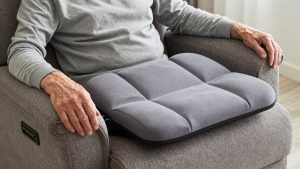
Night leaks are often what wears families down, because they mean laundry in the middle of the night and a tired parent. A washable waterproof mattress protector under the fitted sheet and a disposable or reusable underpad on top create two layers of defense. Reusable underpads cost more upfront, often $15 to $30 each, but can be washed hundreds of times. For a favorite recliner, a seat protector designed for chairs keeps upholstery dry without looking obvious. These simple layers reduce stress and help your parent sleep through the night.
FAQ
Should my parent drink less water to reduce leaks?
Generally no. Cutting fluids can concentrate urine, irritate the bladder, and cause dehydration. Ask the doctor about fluid timing, such as reducing drinks close to bedtime.
How often should products be changed?
As soon as they are wet or soiled, and at least several times a day. Overnight products may last longer but should be checked if your parent wakes.
Bottom Line
The best incontinence products for your parent match the amount of leakage, their mobility, and whether they change independently or with help. Get a medical evaluation first, find the right size with sample packs, use different products for day and night if needed, and protect skin with prompt changes. Handled with care and respect, incontinence does not need to shrink your parent’s world.
Related Reviews & Guides



5 Best Walking Canes for Seniors Balance (2026)
Best Resistance Training Machines for Seniors in 2026: Compared and Ranked