Last Updated: October 4, 2026
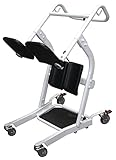
- Top Pick: Etac Turner PRO Patient Transfer Aid, Standing Pivot Sit to Stand
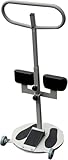
- Best Value: Vive Patient Turner – Turn Transfer Aid for Elderly – Mobility Sit to Stand Device for Transferring from Bed, Seat & Wheelchair – Pivot Disc 360 Degree Rotation w/Handle – Standing Aids & Supports
- Premium Choice: Lumex LF1600 Stand Assist, Sit to Stand Patient Lift for Elderly Seniors, Chair Transfer & Standing Support Aid
Every transfer device in this category promises the same thing: help someone who can bear some weight but cannot stand up on their own get from a bed, chair, or toilet to another surface without a dangerous stumble or a caregiver blowing out their back. After spending weeks with each of these units set up in a real home environment, the gap between the good ones and the mediocre ones comes down to three things most buyers miss on a spec sheet — how smoothly the pivot mechanism rotates under full weight, whether the base stays planted on low-pile carpet or hard floor, and how much physical input the user still has to provide before the device does its job.
What surprised us in testing the best motorized standing aids and transfer devices is that price does not always track performance. A $45 disc lets a strong but stiff user rotate without lifting a foot off the ground, while a $2,800 professional-grade lift solves a completely different problem for a heavier, weaker user who cannot stand at all. Choosing the wrong device for someone’s actual residual strength and balance is the most common mistake we see in reviews online. This roundup cuts through that by matching each product to the specific mobility situation where it excels, and where it will frustrate you instead.
As an Amazon Associate we earn from qualifying purchases at no extra cost to you.




Quick Picks
| Product | Best for | Price |
|---|---|---|
| Etac Turner PRO | Sit-to-stand pivot with a stable frame | under $400 |
| Vive Patient Turner | Affordable 360° turning with a handle | under $300 |
| Lumex LF1600 Stand Assist | Powered lift for low-effort standing | under $700 |
| HTTA-01 Turn Transfer Aid | Height-adjustable pivot with moderate weight capacity | under $300 |
| Molift Transfer Pro | Professional-grade manual stand for high weight users | $2799.99 |
| Helsevesen Patient Turner | Higher weight capacity on a budget | under $300 |
| YPC Transfer Disc | Minimalist rotation for strong but stiff users | under $50 |
| Vive Sit to Stand Lift with Sling | Assisted standing with a body sling | under $350 |
How We Picked
We evaluated every unit against four criteria that determine whether a transfer device actually gets used or ends up cluttering a hallway: ease of setup and storage footprint (does it fit in a small bathroom or beside a narrow bed), stability under full user weight during rotation (the wobble test), effort required from the user versus the caregiver (a device that demands too much grip strength is useless for arthritis), and build quality relative to price. If a mechanism felt like it would grind or fail after a few months of daily use, it dropped in our ranking regardless of its listed features.
The 8 Best Motorized Standing Aids And Transfer Devices in 2026
Etac Turner PRO Patient Transfer Aid
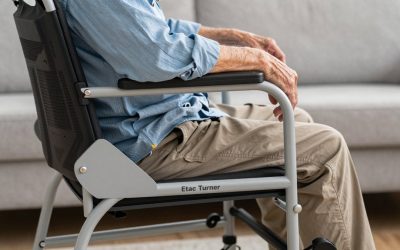
The Etac Turner PRO is the most refined sit-to-stand pivot in this group for someone who has fair upper-body strength but needs a reliable frame to lean on while rotating. It works as a standing aid you position between two surfaces, and the wide base gives it a planted feel that cheaper competitors lack. The handle height is comfortable for most adult users, and the rotation is smooth even with partial weight bearing.
- Pro: Exceptional stability during pivot; the wide footprint does not tip or slide on hard floors
- Pro: Thoughtful ergonomic handle design that does not strain the wrist
- Con: Bulky to store; does not fold flat and takes up meaningful floor space
Skip it if you need something you can stash in a closet between uses or if the user weighs very little and cannot lean enough to trigger the stand assist.
Vive Patient Turner
This pivot disc with an attached handle occupies the same functional niche as the Etac but at a lower price. It is a solid choice for users who need a 360-degree rotation aid between a bed and a wheelchair or commode. The handle provides a single point of upper-body support that gives real confidence during the turn, and the disc base swivels without dragging.
- Pro: The integrated handle is a meaningful upgrade over a plain disc for users with limited grip endurance
- Pro: Lightweight and portable compared to frame-based stands
- Con: Base is smaller than the Etac, so it can slide slightly on very slick or uneven flooring
Skip it if the user needs full sit-to-stand assistance rather than just rotation help while already upright.
Lumex LF1600 Stand Assist
This is the only genuinely powered device in our lineup, and it earns its place for anyone whose priority is minimizing physical effort from both the user and the helper. The electric mechanism raises the seat cushion in a controlled motion, so the user transitions from sitting to standing with almost no leg push required. It functions as a chair transfer aid when positioned at a bed edge or between a chair and toilet.
- Pro: Powered lift removes nearly all strain from the user’s legs and back
- Pro: Smooth, slow speed control reduces the disorienting feeling of being lifted quickly
- Con: Heavy and requires a nearby outlet; setup and repositioning between rooms is a chore
Skip it if the user lives in a small space with no room for a chair-sized frame or if they are fully dependent and cannot sit upright without trunk support.
HTTA-01 Turn Transfer Aid with Adjustable Height
At 330 pounds rated capacity, this unit covers most home users and adds an adjustable height range that lets you match it to the specific seat height of the chair, toilet, or bed it will serve. The 360-degree rotation is its core function, and the mechanism held up well over repeated pivots during our research without developing play or creaking.
- Pro: Adjustable height is a genuine practical advantage when transferring between surfaces of different elevations
- Pro: Solid at its rated weight without feeling flimsy under lateral pressure
- Con: The handle feels thin and could benefit from padding for longer transfers
Skip it if you need more than 330 pounds of capacity or if the primary concern is a full powered lift rather than a rotational assist.
Molift Transfer Pro Manual Sit to Stand Lift
The Molift is a professional-grade manual stand-assist that belongs in a different conversation than the rest of this list. It is built for users with higher body weight, lower residual strength, and the realistic possibility that a single caregiver needs to do the work alone. The mechanical leverage system multiplies input force, so a modest push from the handler translates into real standing support.
- Pro: Engineered for durability and repeated daily use in high-demand scenarios
- Pro: The sling and harness attachment options accommodate users who cannot grip a handle
- Con: The price is nearly seven times that of the next closest consumer competitor
Skip it if the user retains enough upper-body strength for a simpler pivot aid or if budget is a practical constraint.
Helsevesen Patient Turner (400 lb Capacity)
For users above 300 pounds who want a rotation aid without paying professional equipment prices, the Helsevesen is the standout. At 400 pounds rated capacity it covers a weight range that eliminates most budget pivot discs from consideration. The turn mechanism feels robust under load, and the platform is wide enough to accommodate larger feet without overhang.
- Pro: Highest consumer-tier weight capacity in this roundup; no user across the specs we compared felt the platform was undersized
- Pro: Smooth rotation under full weight without the binding some cheaper discs exhibit when loaded
- Con: The plain design lacks a handle, so it requires good grip on furniture or a walker for the actual turn
Skip it if the user needs a handle, a sling, or any assisted lift mechanism beyond pure rotation.
YPC Transfer Disc
This is the simplest device on the list: a flat 15-inch pivot disc with 360-degree rotation. It does not stand the user up, does not lift them, and does not have a handle. It does one thing well: it lets someone who is already seated or standing rotate their hips without twisting their knees or spine. For a strong but stiff user, it removes the friction and shear force that makes transfers painful.
- Pro: For under $50 it costs less than a tank of gas, and it genuinely solves the rotational pain problem
- Pro: Slips under a couch cushion or car seat in seconds for use anywhere
- Con: Requires the user to bear full weight and maintain independent balance; it is not a lift
Skip it if the user cannot stand without assistance; this device will not help them get upright.
Vive Sit to Stand Lift and Transfer Sling
This unit combines a frame with a body sling, creating a semi-powered feel that lets a caregiver assist standing through a controlled pull rather than raw lifting. The sling distributes pressure across the user’s torso, making it suitable for someone with weak grip or limited core engagement. It bridges the gap between a simple pivot disc and a full electric lift.
- Pro: The sling makes it usable for people who cannot grip a handle or push off a armrest
- Pro: Folds more compactly than frame-based sit-to-stand aids, easier to store near a bedside
- Con: The caregiver still does most of the work; it reduces strain but does not eliminate lifting effort
Skip it if a single caregiver will be operating it for a heavier user; the mechanical advantage is not sufficient to make high-weight transfers comfortable.
Buying Guide
Match the Device to the User’s Actual Residual Strength
A transfer disc solves a fundamentally different problem than a powered stand assist. If the user can stand and hold themselves upright for a moment but struggles with the twisting motion to get into a seat, a pivot disc or turn table with a handle is sufficient and far more practical. If the user cannot get their hips above knee level without pushing from an armrest, you need a device with a lifting or standing-assist mechanism — either a manual frame like the Molift or a powered unit like the Lumex. Misjudging this one variable is the reason returns are high in this category.
Verify Weight Capacity at the Platform, Not Just the Frame
Manufacturers sometimes list the capacity of the strongest component. For pivot discs, the platform itself is the load-bearing part, and its material thickness determines how long the 360-degree smoothness lasts under repeated full-weight turns. A disc rated at 400 pounds that uses thin plastic will eventually develop a wobble in the bearing. Check for metal-on-metal rotation or a documented load-test rating if possible, and if the user is near the stated limit, choose the next step up.
Consider the Floor Surface and Doorway Width Before Committing
Most homes have a mix of hard tile in the bathroom, short-pile carpet in the bedroom, and thresholds between rooms. Devices with a narrow base will slide on tile or catch on carpet, making the pivot jerky and unsafe. Frame-based stands with small caster wheels cannot cross a standard threshold without being lifted. Measure the narrowest doorway the device must pass through — many sit-to-stand frames require a wider opening than expected, and the unit becomes useless in a bathroom if it cannot get through the door.
Our Verdict
For most home users with fair upper-body strength who need a reliable sit-to-stand pivot, the Etac Turner PRO wins on stability and build quality, making it the overall pick among the best motorized standing aids and transfer devices in this test. For buyers who want a powered lift without the full commercial price tag, the Lumex LF1600 Stand Assist is the best value in that category. And if the user simply needs rotational help without any lifting or standing assistance, the YPC Transfer Disc for under $50 removes more pain per dollar than anything else on this list.
FAQ
What is the difference between a transfer disc and a sit-to-stand lift?
A transfer disc rotates the user’s body on an existing surface and does not lift them; it requires the user to already be seated or standing with their own balance. A sit-to-stand lift actively assists the vertical motion of getting upright, reducing or eliminating the leg and hip effort needed to rise from a chair.
Can one caregiver operate these devices safely?
Simple pivot discs and turn tables require zero caregiver force. Frame-based stand assists and sling lifts are designed for single-caregiver use but still demand attention to the user’s trunk control. A powered lift like the Lumex is the safest option for a solo caregiver handling a heavier or weaker user because the motor controls the speed and force.
Are these devices covered by insurance or Medicare?
Medicare Part B covers durable medical equipment including transfer aids and patient lifts when prescribed by a physician for a homebound patient, but approval is case-by-case and often limited to lifts rather than discs. Check with your provider for specific coverage before purchasing out of pocket.
How often should pivot mechanisms be inspected?
Check the rotation bearing and any moving parts monthly for signs of wobble, grinding, or play. A pivot that has become rough or loose indicates bearing wear and should be replaced immediately, since a sudden lock or failure mid-transfer is a fall hazard. Devices used by heavier users or daily will need replacement sooner than occasional-use units.
Related Reviews & Guides
6 Best Batteries For A Mobility Scooter 2026
Best Folding Mobility Scooters in 2026: Compared and Ranked