Last Updated: September 27, 2026
New dentures, loose dentures, and sore spots under a partial plate all have the same effect: a person quietly stops eating the foods that take work to chew. Steak disappears first, then raw vegetables, then crusty bread, and before long the diet narrows to toast, soup, and pudding. That pattern can lead to low protein intake and weight loss in older adults. Soft food meal delivery can help, but only if the texture fits the person’s chewing ability and the meals still deliver real nutrition. This guide covers how to match meal texture to denture comfort, what to look for in a delivery service, and when the problem is really the dentures themselves.
Quick answer: For most people in 2026, the best soft food meal delivery for seniors with dentures is the Level 7 easy to chew — our #1 rated choice. See the full ranked comparison, alternatives and buying advice below.
Why dentures change what a person can eat
Natural teeth deliver chewing force through roots anchored in bone. Complete dentures rest on the gums and are held by suction and muscle control, so chewing efficiency is often a fraction of what natural teeth provide. Hard, sticky, and fibrous foods become difficult, and small particles such as seeds slip under the plate and cause pain. The first four to eight weeks with new dentures are usually the hardest, and many dentists recommend a soft diet during that adjustment.
Understanding texture levels
Hospitals and meal services increasingly use the International Dysphagia Diet Standardisation Initiative (IDDSI) framework to describe food textures. Most people with dentures but normal swallowing need levels 6 or 7, not the pureed textures used for swallowing disorders.
| Texture level | Description | Typical denture situation |
|---|---|---|
| Level 7 easy to chew | Normal food that is soft and tender; no hard, tough, or chewy items | Well-fitting dentures, mild chewing difficulty |
| Level 6 soft and bite-sized | Tender pieces about 1.5 cm, can be mashed with a fork | New dentures, sore spots, partial plates |
| Level 5 minced and moist | Small moist pieces about 4 mm; minimal chewing | Poorly fitting dentures awaiting adjustment, significant weakness |
| Level 4 pureed | Smooth, no lumps; no chewing needed | Usually a swallowing issue, not a denture issue; needs clinical guidance |
If someone coughs, chokes, or clears their throat often during meals, the concern may be swallowing rather than chewing. That calls for an evaluation by a speech-language pathologist before choosing any meal texture.
What to look for in a soft food delivery service
Clear texture labeling
The best services state the texture of each dish, ideally using IDDSI levels or equivalent terms. “Soft” on a menu can mean anything from tender braised meat to a dish with crunchy toppings.
Protein in every meal
Soft diets tend to drift toward starch. Look for meals with at least 20 grams of protein, from tender options such as flaked fish, braised chicken thighs, meatloaf, eggs, beans, tofu, cottage cheese, and ground meat in sauce.
Moisture and sauce
Dry food is harder to chew and swallow with dentures. Stews, casseroles, and dishes served with gravy or sauce hold together better and reduce friction on the gums.
Foods that are left out
Good soft menus avoid nuts, seeds, popcorn, raw crunchy vegetables, tough steak, sticky caramel, and hard crusts. Berries with small seeds and whole-grain breads with visible seeds can be a problem under dentures.
Portion and packaging
Smaller appetites do better with modest portions and easy-open trays. For arthritic hands, peel-back film is easier than tightly sealed containers.
When the fix is the denture, not the diet
A soft diet is a reasonable short-term measure, but long-term reliance on it can mean the dentures need attention. Gums and jawbone shrink over time, so dentures that fit well five years ago may now rock or rub. A relining or adjustment by a dentist often restores comfortable chewing. Implant-supported dentures dramatically improve chewing ability for many people, although cost is significant. Persistent sores should always be checked, since a sore that does not heal within two weeks needs evaluation.
Paying for meals and dental care
Original Medicare does not cover routine dental care or dentures, and it does not pay for meal delivery. Many Medicare Advantage plans include some dental coverage and limited post-hospital meal benefits. Medicaid dental coverage for adults varies by state, and Medicaid waivers in many states pay for home-delivered meals. Veterans may qualify for VA dental care depending on eligibility group. The local Area Agency on Aging can point seniors toward community meal programs, some of which offer modified textures on request.
Tips for eating comfortably at home
Cut food into small pieces and chew on both sides at once to keep the lower denture stable. Start meals with softer items while the mouth adjusts. Denture adhesive, used sparingly, can improve confidence while eating but should not be used to compensate for a badly fitting plate. Rinsing dentures after meals prevents trapped food from causing irritation.
FAQ
How long should someone with new dentures stay on soft food?
Many dentists suggest soft foods for the first few weeks, then gradually adding firmer foods as comfort improves. Most people return to a fairly normal diet within one to two months, but the dentist should guide the pace, especially if sore spots develop.
Is pureed food better for someone with dentures?
Usually not. Pureed textures are meant for swallowing disorders and can make meals less appealing, which reduces how much a person eats. Most denture wearers do well with soft and bite-sized or easy-to-chew textures that still look like real food.
Bottom line
The best soft food meal delivery for a senior with dentures labels textures clearly, keeps protein high, uses moist cooking methods, and avoids seeds, nuts, and tough cuts. Match the texture level to actual chewing ability rather than defaulting to purees, check for swallowing problems if there is coughing at meals, and schedule a denture check if soft food has become a permanent necessity rather than a temporary one.
Ready to decide? Our #1 pick for 2026 is the Level 7 easy to chew.
Live price & availability on Amazon.
Related Reviews & Guides
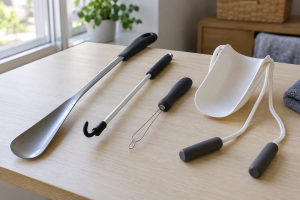
Lightweight button hook and zipper pull for seniors
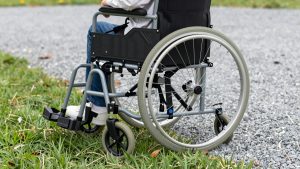
Best wheelchair for grass and gravel