Last Updated: October 4, 2026
- Watch: How to Choose a Lightweight Rollator Walker with Seat for Seniors — Video Review
- Why Weight Matters More Than You Think
- Wheel Size and Terrain Compatibility
- Seat Size and Comfort
- Folding Mechanism and Storage
- Brakes, Handles, and Extra Storage
- Tips for Choosing the Right Rollator
- Frequently Asked Questions
- Conclusion
- Related Articles
- Related Guides
Choosing the right rollator walker is about more than just rolling from point A to point B. The best models in 2026 balance weight, wheel size, seat comfort, and folding convenience so that daily use feels effortless rather than exhausting. Whether you’re shopping for yourself or a parent, the right rollator can mean the difference between staying active and avoiding outings altogether.
This guide walks through the features that actually matter, from frame weight to wheel diameter, so you can compare options with confidence. Below, you’ll find a curated selection of top-rated rollators worth considering, followed by detailed buying advice and answers to common questions.
As an Amazon Associate we earn from qualifying purchases at no extra cost to you.




⚡ Save on Your Next PC — Amazon Prime
Prime members get fast free shipping on the systems above, plus early access to Prime Day & Black Friday PC deals. New members get a 30-day free trial.
Watch: How to Choose a Lightweight Rollator Walker with Seat for Seniors — Video Review
Why Weight Matters More Than You Think
A rollator that’s too heavy defeats its own purpose. If lifting it into a car trunk or up a curb requires help from someone else, it limits independence rather than supporting it. Most lightweight rollators today weigh between 13 and 18 pounds, a meaningful drop from older steel-frame models that often exceeded 20-25 pounds.
- Look for aluminum frames, which typically shave 5-8 pounds off comparable steel designs.
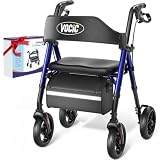
- Check the weight capacity separately from the frame weight; many models, including the VOCIC Z21, support up to 350 lbs despite weighing under 17 lbs.
- If air travel or frequent car trips are part of your routine, prioritize models under 15 lbs with one-hand folding mechanisms.
Wheel Size and Terrain Compatibility
Wheel diameter directly affects how smoothly a rollator handles cracks, gravel, and uneven sidewalks. Smaller wheels (around 6 inches) are fine for flat indoor surfaces, but anyone spending time outdoors will notice a real difference with larger wheels.
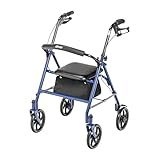
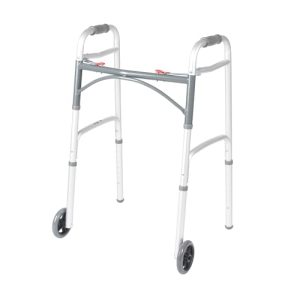
- 7.5-inch wheels, like those on the Drive Medical Rollator, offer a solid middle ground for mixed indoor and outdoor use.
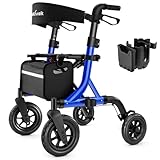
- 8-inch all-terrain wheels, found on the VOCIC Z21 and the PLANET WALK rollator, roll more confidently over grass, gravel, and curb cuts.
- Rubber treads reduce vibration and noise compared to hard plastic wheels, which matters on longer walks.
Seat Size and Comfort
A rollator seat should feel like a genuine resting spot, not an afterthought bolted onto the frame. Seat width, height from the ground, and padding thickness all affect comfort during rest breaks.
- Standard seats run 10-12 inches deep; enlarged options like the HOMLAND’s 16-inch seat offer noticeably more room for larger frames or added stability when sitting down.
- Seat height between 22 and 24 inches suits most average-height adults without straining the knees when standing back up.
- Padded or contoured seats reduce pressure points during extended sitting, which matters for anyone using the rollator as a mobile rest stop on errands.
Folding Mechanism and Storage
How a rollator folds affects daily convenience just as much as how it rolls. A bulky, awkward fold makes storage in closets, car trunks, or under furniture unnecessarily difficult.
- One-touch or single-strap folding designs let users collapse the frame in seconds without bending awkwardly.
- Compact folded dimensions matter for apartment living or smaller vehicles; look for folded widths under 10 inches when possible.
- Some models, including the PLANET WALK rollator, are engineered to stand upright when folded, which makes storage against a wall much easier than models that lie flat only.
Brakes, Handles, and Extra Storage
Smaller details like brake responsiveness and handle height often determine daily usability more than the headline specs.
- Loop brakes that lock securely when parked are essential, especially when using the seat.
- Adjustable handle height accommodates different user heights and allows the same rollator to work for multiple family members.
- Underseat storage baskets or pouches add practical carrying capacity for groceries, a phone, or a water bottle without needing a separate bag.
Tips for Choosing the Right Rollator
- Measure doorway widths at home before buying; most rollators range from 23 to 26 inches wide when open.
- Test the brakes and folding mechanism in person or read multiple reviews if buying online, since ease of use varies more than specs suggest.
- Prioritize weight capacity with a margin above the user’s actual weight for added stability and durability over time.
- Consider terrain honestly: someone who mostly stays indoors doesn’t need 8-inch all-terrain wheels, while frequent outdoor walkers will appreciate them.
Frequently Asked Questions
How much should a lightweight rollator weigh?
Most quality lightweight rollators in 2026 weigh between 13 and 18 pounds. Anything heavier reduces the ease of lifting, folding, and transporting, which undermines the main benefit of choosing a “lightweight” model in the first place.
What wheel size is best for outdoor use?
For regular outdoor use on sidewalks, gravel, or grass, 8-inch wheels with rubber treads perform noticeably better than smaller 6-7 inch wheels. They roll over cracks and uneven surfaces with less jarring and require less effort to push.
Do all rollators fold for travel?
Most modern rollators fold, but the mechanism quality varies widely. Look for single-action or one-strap folding systems that collapse the frame in one motion, and check the folded dimensions against your car trunk or closet space before buying.
How do I know what seat size I need?
Standard seats around 10-12 inches deep work for most users, but those who plan to sit frequently or need extra stability may prefer an enlarged seat, such as the 16-inch option on the HOMLAND model. Also check seat height, ideally 22-24 inches, so standing up doesn’t strain the knees.
Conclusion
The right rollator walker comes down to matching frame weight, wheel size, and seat comfort to your actual daily routine. Someone navigating mostly flat indoor spaces has different needs than someone walking daily on neighborhood sidewalks or grass. By weighing these factors against the models above, you can choose a rollator that supports real independence rather than sitting unused in a closet.
Related Reviews & Guides
Guide to Comfortable Walking Canes for Seniors with Various Needs
How to Find the Best Grab Bars for Elderly Bathroom Safety