Last Updated: September 4, 2026
- Understanding Weight Capacity and Safe Working Load (SWL) Margins
- Floor Lifts vs. Overhead Track Systems: Space and Mobility
- Sling Compatibility and Material Selection
- Power Sources, Battery Life, and Manual Lowering Fail-safes
- Assessing Doorways, Turning Radiuses, and Home Layout
- When to Upgrade to Heavy-Duty Commercial-Grade Options
- Related Guides
- FAQ
Bringing a bariatric patient lift system into a home healthcare environment is a major decision that directly impacts the safety, dignity, and daily routine of both the user and their caregivers. As manufacturers continue to refine mobility equipment standards in 2026, families now have access to more robust, ergonomic, and reliable options than ever before. However, sorting through weight capacities, base clearances, power configurations, and sling designs can quickly become overwhelming if you do not know which factors genuinely affect daily performance.
Choosing the right system requires looking past flashy marketing terms and examining how the equipment integrates with your specific living space and physical care needs. Whether you are managing post-hospitalization recovery or setting up long-term care at home, investing in the correct specifications prevents costly missteps and ensures maximum safety. This guide cuts through the confusion to highlight the technical details, structural requirements, and compatibility factors that truly matter when selecting a bariatric lift.
As an Amazon Associate we earn from qualifying purchases at no extra cost to you.
Understanding Weight Capacity and Safe Working Load (SWL) Margins
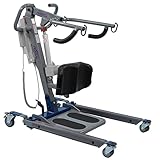
The single most critical specification on any bariatric lift is its Safe Working Load, commonly abbreviated as SWL. Unlike standard patient lifts that typically top out around 300 to 450 pounds, bariatric models generally begin around 600 pounds and can scale past 1,000 pounds. When evaluating your needs, you must account not only for the current weight of the individual but also for any potential fluctuations or additional medical accessories used during transfers.
A vital rule of thumb in home healthcare is to build a safety buffer into your calculations. Selecting a lift where the user’s weight is right at the maximum threshold places unnecessary strain on the motor, reduces battery efficiency, and accelerates mechanical wear. Always aim for a Safe Working Load that provides at least a 20 percent buffer over the user’s actual weight to ensure smooth, secure operation and long-term equipment reliability.
Floor Lifts vs. Overhead Track Systems: Space and Mobility
Bariatric lift systems generally fall into two main categories: mobile floor lifts and fixed overhead track systems. Mobile floor lifts feature a wheeled base that manually opens and closes around furniture, wheelchairs, and beds. They offer incredible versatility and do not require permanent structural modifications to your home, making them ideal for temporary use or rented properties where drilling into ceilings is prohibited.
On the other hand, overhead ceiling lift systems offer unmatched space efficiency and require zero floor maneuvering space. Because bariatric floor lifts can be heavy and require considerable physical effort to steer across carpeted surfaces or room thresholds, ceiling tracks eliminate the physical strain on the caregiver entirely. If you are planning for long-term home care and your home’s structural framing can support the load, permanent overhead tracks are often the superior choice for seamless daily transfers.
Sling Compatibility and Material Selection
A lift is only as effective as the sling attached to it. Bariatric slings must distribute pressure evenly across a larger surface area to prevent skin shearing, pinching, and pressure injuries. When shopping for slings, pay close attention to whether the system uses a universal hook-and-loop attachment or a proprietary clip system. Universal attachments give you more flexibility to source compatible, cost-effective replacement slings from various manufacturers.
Material selection is equally important for comfort and hygiene. Padded, breathable mesh fabrics are essential for bariatric users, particularly if the sling is intended for bathing or extended periods in a seated position. Ensure the sling features reinforced webbing and clearly labeled weight capacity indicators right on the fabric label so caregivers can verify compatibility at a glance before every single transfer.
Power Sources, Battery Life, and Manual Lowering Fail-safes
Most modern home healthcare lifts operate on rechargeable battery packs rather than direct wall power. This design prevents hazardous cords from tangling under the wheels during a transfer. However, battery capacity matters significantly in bariatric care; lifting heavier loads draws considerably more amperage, draining batteries much faster than standard-capacity units.
Look for systems that feature easily removable battery packs that can be charged off-board on a wall mount, ensuring you can keep a spare battery fully charged and ready to swap. Additionally, every reliable lift must feature a dependable mechanical or electrical emergency manual lowering feature. If a power failure or motor malfunction occurs while a user is mid-air, caregivers must be able to safely lower the patient without panic.
Assessing Doorways, Turning Radiuses, and Home Layout
A common mistake when purchasing a mobile bariatric floor lift is failing to measure the physical dimensions of the home environment. Bariatric lifts feature wider bases to provide the necessary stability and balance for heavy loads. If your home has narrow hallways, tight bathroom doors, or thick transition thresholds, a wide-base lift may simply not fit through the openings.
Before committing to a specific model, take a tape measure to every doorway, hallway corner, and elevator threshold the lift must navigate. Check the width of the base when it is fully closed versus fully open. If the lift cannot comfortably clear door frames or make tight turns into a roll-in shower, you will either need to consider permanent overhead tracks or invest in home remodeling modifications.
When to Upgrade to Heavy-Duty Commercial-Grade Options
While standard consumer-grade home healthcare lifts are sufficient for many households, certain situations warrant upgrading to commercial-grade, heavy-duty machinery. If transfers occur more than ten times a day, or if multiple caregivers of varying strength levels are operating the equipment, light-duty home models will wear out prematurely.
Commercial-grade lifts feature heavy-duty steel construction, reinforced actuator motors, industrial-grade casters with precision bearings, and locking mechanisms built to withstand rigorous, round-the-clock use. Investing in a commercial-grade tier upfront reduces maintenance headaches, minimizes unexpected breakdowns, and offers peace of mind for families managing complex, high-frequency care schedules.
Related Guides
To explore specific manufacturer models, pricing tiers, and performance evaluations, check out our comprehensive tested model rankings to find the right match for your home environment.
FAQ
How much space do I need to operate a bariatric floor lift at home?
Bariatric floor lifts require wider turning radiuses and clearance underneath beds and furniture. You should ensure at least five feet of open space around transfer zones and check that your bed frame has adequate under-clearance for the lift legs.
Are bariatric slings interchangeable between different brands?
While many slings use universal attachment loops, you must always verify compatibility between the lift spreader bar and the sling manufacturer. Using mismatched hardware can result in accidental detachment during a transfer.
What maintenance do home healthcare lifts require?
Routine maintenance includes keeping batteries fully charged, inspecting sling fabric for fraying, lubricating moving joints annually, and checking wheel casters for hair or debris buildup that impedes smooth rolling.
Will Medicare or private insurance cover a bariatric lift?
Insurance providers frequently cover patient lifts when deemed medically necessary by a physician and prescribed as durable medical equipment. However, coverage requirements vary, and you will need detailed documentation proving the equipment is essential for home safety.
Related Reviews & Guides

Best Adjustable Bed for Acid Reflux Seniors

Best medical alert pendant for seniors after hip surgery