Last Updated: September 4, 2026
The transition toward rechargeable hearing aid technology has completely transformed how older adults manage their hearing health. Gone are the days of fumbling with tiny, frustrating zinc-air disposable batteries that frequently required changing at the most inconvenient times. Modern devices rely on advanced lithium-ion power cells that offer reliable, all-day performance and significantly simplify daily routines, particularly for seniors experiencing arthritis, tremors, or diminished finger dexterity.
However, navigating the current market requires looking past flashy marketing claims and focusing on the specifications that genuinely impact your everyday life. In 2026, finding the right device means balancing battery endurance, charging case versatility, physical fit, and advanced audio processing features. This guide breaks down exactly what you need to evaluate before making your investment, helping you avoid costly mistakes and select a pair of hearing aids that you will comfortably wear every single day.
As an Amazon Associate we earn from qualifying purchases at no extra cost to you.
Understanding Battery Life and Daily Endurance
When evaluating rechargeable hearing aids, the most critical specification is the total hours of operation on a single charge. Most quality modern devices promise anywhere from sixteen to thirty hours of continuous use. However, your actual mileage will vary based on how heavily you rely on audio streaming, phone calls, and complex environmental noise cancellation programs. If you lead an active lifestyle and stream audio frequently throughout the day, you will want a device that leans toward the higher end of that battery spectrum to avoid unexpected power loss before bedtime.
It is also vital to consider how battery capacity degrades over the lifespan of the hearing aid. Lithium-ion batteries naturally lose a fraction of their maximum charge capacity over several years of daily charging cycles. Choosing a reputable manufacturer known for robust power cells ensures that your devices will still hold a sufficient charge after three or four years of consistent use, saving you from premature replacement costs.
Evaluating Charging Case Styles and Portability
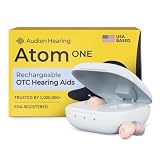
The charging case is no longer just a simple plastic box; it is an essential daily accessory that dictates how mobile you can be. Standard desktop chargers require a wall outlet and are ideal for bedside tables, but they offer zero utility if you lose power or spend a weekend away from home. Many manufacturers now offer portable charging cases equipped with built-in lithium-ion reserve batteries. These portable pods can fully recharge your hearing aids three to four times completely off the grid, making them an indispensable feature for frequent travelers or active seniors.
Ease of insertion into the charging port is another physical factor that deserves close attention. Look for magnetic drop-in slots that securely guide the hearing aid into the correct charging contacts automatically. This prevents frustrating alignment issues and ensures the devices are actually charging overnight, eliminating the unpleasant surprise of waking up to dead hearing aids.
Form Factor, Comfort, and Manual Dexterity
Rechargeable batteries require slightly more physical space than tiny disposable zinc-air cells, which historically made rechargeable models bulkier. Fortunately, engineering advancements have drastically reduced the physical footprint of modern devices. You will generally choose between Receiver-in-Canal (RIC) models, Behind-the-Ear (BTE) units, and custom in-the-ear options. RIC models remain the most popular style because they balance discretion, comfort, and advanced features while comfortably accommodating a rechargeable battery.
When selecting your form factor, prioritize how the device feels in your hand and sits behind your ear. If you wear glasses, ensure the housing does not create uncomfortable friction or a bulky stack behind the pinna. Furthermore, larger push-buttons or toggle controls on the hearing aid body are often much easier to operate than tiny flush switches if you have reduced finger sensitivity.
Connectivity and Smartphone Integration
Modern hearing aids function as sophisticated wireless ear-level computers capable of connecting directly to smartphones, televisions, and tablets. Bluetooth connectivity allows you to stream phone calls, audiobooks, and music directly into your ears, significantly improving clarity. When shopping for rechargeable aids, verify whether the Bluetooth protocol is low-energy and compatible with both Apple iOS and Android operating systems.
Keep in mind that continuous Bluetooth streaming is the single fastest way to drain a rechargeable hearing aid’s battery. If you plan to stream audio for multiple hours every day, you must factor that heavy usage into your battery life calculations. Some models manage this efficiently with dynamic power scaling, while others may require an afternoon top-up charge if streaming usage is exceptionally high.
Avoiding Common Buying Mistakes
One of the most frequent mistakes buyers make is prioritizing a lower upfront price over long-term service and manufacturer support. Over-the-counter (OTC) rechargeable devices have flooded the market, offering attractive price points, but they often lack the customizable programming required for complex, high-frequency hearing loss. Always ensure you understand the return policy, warranty coverage, and whether professional audiologist tuning is included or accessible.
Another pitfall is ignoring the ingress protection (IP) rating for moisture and dust resistance. Hearing aids live in a harsh environment exposed to sweat, humidity, earwax, and occasional rain. Selecting a model with a robust IP rating ensures that moisture does not infiltrate the sensitive internal electronics or prematurely short out the charging contacts.
When It Pays to Spend More on Premium Tiers
Budget models will handle basic amplification adequately, but stepping up to mid-tier or premium prescription hearing aids unlocks significant quality-of-life upgrades. Premium models feature advanced artificial intelligence algorithms that isolate speech in loud, chaotic environments like restaurants or family gatherings. They also tend to include faster charging technologies—such as a quick thirty-minute charge that provides several hours of emergency power—along with superior warranty protection and professional maintenance support.
Related Guides
To help you navigate your broader health and mobility needs, explore our other comprehensive resources. If you are comparing specific models, read our review on the best rechargeable hearing aids to see how top brands stack up against one another in real-world testing. Additionally, if transportation independence is a priority for you or a loved one, take a look at our expert recommendations for the best adaptive driving aids to ensure safe and confident travel.
FAQ
How long do rechargeable hearing aid batteries last before needing replacement?
Most modern lithium-ion hearing aid batteries maintain optimal performance for about four to five years. Eventually, you may notice a slight reduction in daily charge retention, at which point an audiologist can send the units back to the manufacturer for a battery swap.
Can I charge my hearing aids in a car or while traveling without a wall outlet?
Yes, provided you choose a charging case that features an integrated internal power bank or supports USB-C connectivity. Many modern portable charging pods hold multiple full charges, allowing you to power up your devices on road trips or flights away from standard electrical outlets.
What happens if my hearing aids run out of power mid-day?
Many premium rechargeable models now feature fast-charging technology that delivers several hours of use from a quick fifteen to thirty-minute charge in the case. If your device lacks fast-charging capabilities, you may need to rely on manual acoustic adjustments or wait until you can access a power source.
Are rechargeable models more expensive than traditional battery-operated ones?
Upfront costs for rechargeable hearing aids are often slightly higher than disposable battery models due to the integrated power technology. However, because you never have to purchase packs of replacement zinc-air batteries again, rechargeable devices typically pay for themselves over their multi-year lifespan.
Related Reviews & Guides




Best Folding Mobility Scooters in 2026: Compared and Ranked

9 Best Lightweight Transport Wheelchairs for Seniors in 2026