Last Updated: October 4, 2026
Navigating mobility challenges can feel overwhelming, but finding the right support transforms daily life. In 2026, the marketplace offers an array of advanced mobility devices designed to restore freedom, yet selecting the correct model requires looking past flashy marketing. A rollator is much more than a simple walking frame with wheels; it serves as a vital mobility tool that provides balance, endurance support, and a dependable portable seat whenever fatigue sets in during errands or walks.
Too many buyers focus solely on initial price or cosmetic color, completely ignoring the mechanical specifications that dictate safety and daily usability. Whether you are shopping for yourself or an aging loved one, understanding the nuances of weight capacity, wheel dimensions, and braking mechanisms prevents frustrating purchasing mistakes. This guide breaks down the core elements that truly matter when choosing a rollator, ensuring your investment enhances active independence rather than creating new physical hurdles.
As an Amazon Associate we earn from qualifying purchases at no extra cost to you.
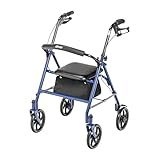
Wheel Size and Terrain Compatibility
The size of your rollator’s wheels dictates where you can comfortably travel. Smaller wheels, typically measuring six inches in diameter, excel indoors on smooth hardwood floors, tight hallways, and low-pile carpets. However, they struggle immensely on cracked sidewalks, gravel paths, or uneven outdoor surfaces, often getting caught in small cracks and jarring the user’s wrists.
If you plan to use your mobility aid outdoors, look for models featuring eight-inch or larger front wheels. Larger wheels roll smoothly over obstacles, absorb pavement shocks more efficiently, and provide a much more stable ride on bumpy ground. Always match the wheel configuration to your primary daily environment rather than defaulting to the standard compact option.
Frame Material: Aluminum Versus Steel
Frame construction determines both the durability and the portability of the mobility aid. Aluminum frames dominate the market because they strike an exceptional balance between lightweight handling and structural strength. An aluminum rollator is remarkably easy to lift into a car trunk or maneuver through tight indoor spaces without causing excessive upper body fatigue.
Steel frames, on the other hand, are heavier and generally reserved for heavy-duty models designed to support higher weight capacities. While steel offers unmatched ruggedness and stability for larger users, the extra weight makes it significantly harder to transport independently. Consider your upper body strength and transportation needs carefully before deciding between these two primary metals.
Evaluating Braking Systems and Hand Grips
A reliable braking system is arguably the most critical safety feature on any rollator. Loop-lock brakes are the industry standard, allowing you to squeeze upward to slow down temporarily or push downward to lock the rear wheels completely into a stationary parking position. Ensure the hand levers are easy to activate if you experience arthritis, hand stiffness, or reduced grip strength.
Additionally, pay close attention to the contour and material of the hand grips. Ergonomic grips distribute pressure evenly across the palm, preventing nerve compression and hand fatigue during longer walks. Avoid overly slick plastic handles in favor of textured, rubberized, or foam-cushioned grips that offer a secure hold even if your hands get warm or slightly damp.
Getting the Right Fit: Height and Seating Dimensions
Proper sizing is non-negotiable for safety and posture. When standing upright with your arms relaxed at your sides, the top of the rollator hand grips should align precisely with your wrist crease. If the handles are set too low, you will hunch forward, leading to back pain; if they are too high, your shoulders will strain as you push.
Seat height and width are equally important if you intend to use the built-in resting seat. Standard seat heights typically range around twenty inches, but taller or shorter individuals must verify seat-to-floor measurements to ensure their feet rest flat on the ground while seated. A proper fit prevents slouching, improves balance, and guarantees comfortable, safe short-term rests.
Folding Mechanisms and Portability
If your daily routine involves traveling in cars, visiting family, or running errands, the folding mechanism of the rollator becomes a primary concern. Traditional models fold front-to-back, while newer designs feature side-to-side folding frameworks that create an ultra-compact footprint when collapsed.
Test how easily the folding mechanism operates. Many modern rollators include a pull-strap on the seat or a simple latch release that allows you to fold the device with one hand. A cumbersome, stiff folding latch will quickly become a major source of frustration, often discouraging users from taking their mobility aid along on outings.
Storage Capacity and Everyday Utility
Rollators frequently double as shopping carts or carrying assistants for personal belongings, making storage capacity a key practical consideration. Most models come equipped with either a wire basket underneath the seat or a removable fabric tote bag.
Fabric bags are generally preferred for daily errands because they often include shoulder straps, allowing you to detach the bag and carry your items directly into a store or inside your home. Wire baskets, conversely, offer rigid visibility and durability but expose your belongings to view and cannot be easily detached without tools. Choose the storage style that best aligns with your shopping habits and daily routine.
Related Guides
To explore specific product recommendations and compare top-performing options currently available, take a look at our expert roundups including the Best Rollators in 2026: Compared and Ranked as well as specialized choices featured in the Best Heavy Duty Rollators in 2026: Compared and Ranked.
FAQ
How do I know what size rollator I need?
Stand up straight wearing your normal walking shoes and let your arms hang naturally at your sides. The correct handle height should match the crease of your wrist, allowing for a slight bend in your elbows while walking. Always check the manufacturer’s overall weight and height recommendations before purchasing.
Can I use a rollator as a wheelchair?
Most standard rollators are designed strictly for temporary seated rests and should never be used as transport wheelchairs. They lack proper footrests, back support, and the wheel configuration necessary to be safely pushed by another person. Attempting to push someone in a standard rollator poses a severe tip-over risk.
How do I adjust the brake tension on my rollator?
Brake cables can stretch over time, reducing stopping power. You can easily tighten the brakes by turning the barrel adjuster nut located near the hand brake lever or down by the rear wheel assembly. If adjustments do not restore firm stopping performance, consult a professional medical equipment technician.
Are rollators covered by Medicare?
Medicare Part B may cover a portion of the cost for a rollator if your doctor provides a formal prescription stating it is medically necessary for mobility inside your home. You must purchase the device through a Medicare-approved supplier to qualify for reimbursement. Always verify your specific insurance plan details beforehand.
Related Reviews & Guides




Best Power Lift Chair in 2026: Compared and Ranked

6 Best Foam Seat Cushions For Wheelchair 2026