Last Updated: September 27, 2026
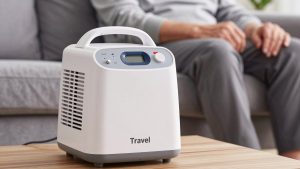
For parents who need supplemental oxygen, heavy tanks and tangled tubing can make leaving the house feel impossible. Portable oxygen concentrators, often called POCs, pull oxygen from room air and deliver it without refilling tanks. The right unit can bring back trips to church, family visits, and even flights. But POCs vary widely in weight, battery life, and oxygen output, and not every unit meets every prescription. This guide explains how to choose a concentrator that actually meets your parent’s medical needs.
Quick answer: Our top pick in 2026 is the Ultra-portable — our #1 rated choice. See the full ranked comparison, alternatives and buying advice below.
It Starts With the Prescription
Supplemental oxygen requires a prescription that specifies flow rate and when oxygen should be used, such as during exertion, sleep, or continuously. Your parent’s doctor or respiratory therapist should confirm that a portable concentrator can meet those needs. Some people need higher flow than portable units can provide.
Pulse Dose vs. Continuous Flow
Pulse dose units deliver a burst of oxygen when your parent inhales. They are smaller, lighter, and have longer battery life. Continuous flow units deliver a steady stream of oxygen regardless of breathing, which may be needed during sleep or for people with shallow breathing. Continuous flow units are larger and heavier.
Settings are not the same as liters per minute
Pulse dose settings like 1 through 6 do not equal liters per minute, and settings vary between brands. A respiratory therapist should test your parent on a specific unit, ideally during walking, to confirm it maintains the prescribed oxygen level.
Comparing Portable Concentrator Types
| Category | Typical weight | Delivery | Typical battery life | Typical price |
|---|---|---|---|---|
| Ultra-portable | 2-5 lb | Pulse only | 2-5 hours (single battery) | $1,500-$3,000 |
| Mid-size portable | 5-10 lb | Pulse, higher settings | 3-8 hours with larger battery | $2,000-$3,500 |
| Continuous flow portable | 10-20 lb | Pulse and continuous | 1-4 hours on continuous flow | $2,500-$4,500 |
Factors That Matter for Older Adults
Weight and carrying
A unit that feels light in the store may feel heavy after an hour of walking. Shoulder bags, backpacks, and wheeled carts can help. Consider your parent’s strength and whether they can manage the unit alone.
Battery life
Estimate how long your parent will be away from power. Extended batteries and spare batteries add weight and cost but allow longer outings. Car chargers help with road trips.
Controls and alarms
Large buttons, clear displays, and audible alarms for low battery or no breath detected are important, especially for parents with vision or hearing loss.
Noise
Portable units typically run around 35 to 45 decibels, similar to a quiet conversation. Noise matters if your parent uses the unit in quiet places or while sleeping.
Air travel
Many airlines allow FAA-approved portable oxygen concentrators in the cabin. Check the airline’s requirements, which usually include battery duration beyond the flight time and a physician’s statement.
Rent or Buy?
Medicare Part B covers oxygen equipment for qualifying patients, generally through a rental arrangement with a supplier. Whether a portable concentrator is included depends on the supplier and your parent’s documented needs. Some families rent a POC for trips while using a stationary concentrator at home. Buying may make sense for frequent travelers or those who want a specific model.
Daily Care and Safety
Oxygen supports combustion, so keep the concentrator and cannula away from open flames, gas stoves, candles, and smoking, and never let anyone smoke near your parent while oxygen is in use. Place the unit where air can flow freely around the intake, not tucked under a blanket or against a wall. Clean or change the particle filters as the manual directs, often weekly, and replace the nasal cannula regularly, commonly every couple of weeks, or sooner if it becomes stiff or dirty. Keep a backup plan, such as a small tank, for power outages or equipment failure, and write the supplier’s emergency number on the unit.
FAQ
Can my parent use a portable concentrator while sleeping?
Only if the doctor confirms the unit meets their nighttime needs. Many people need continuous flow during sleep, which not all portable units provide.
How long does a portable concentrator last?
Many units last several years with proper care. Batteries typically need replacement sooner, and filters should be cleaned or replaced as directed.
Bottom Line
The best portable oxygen concentrator for your parent matches their prescription first, then their lifestyle. Confirm with a respiratory therapist that the unit maintains their oxygen during activity, weigh battery life against weight, and check airline rules if they travel. The right choice can give your parent back the freedom to leave home with confidence.
Ready to decide? Our #1 pick for 2026 is the Ultra-portable.
Live price & availability on Amazon.
Related Reviews & Guides
Best Button Hooks and Zipper Pulls for Seniors with Parkinson’s Tremors
Compact Lift Chair Recliner for Seniors