Last Updated: September 27, 2026
The kitchen combines almost every household hazard in one room: heat, sharp edges, wet floors, heavy pots, high shelves, and appliances with small controls. For an older adult who wants to keep cooking, it is also the room most tied to independence and routine. Senior-proofing a kitchen does not mean stripping it down. It means rearranging and adjusting so that the everyday motions of cooking involve less reaching, bending, lifting, and guessing. Most of the changes below cost little and can be done in a weekend.
Quick answer: Our top pick in 2026 is the Floor at sink — our #1 rated choice. See the full ranked comparison, alternatives and buying advice below.
Start with a Walk-Through
Watch the person make a simple meal, such as tea and toast or scrambled eggs. Note every moment they stretch onto tiptoes, bend below knee height, lean on the counter for balance, squint at a dial, or carry something hot across the room. Those moments are your to-do list.
Rearrange Storage Around the “Comfort Zone”
Keep daily items between hip and shoulder height
The easiest reach zone runs roughly from 20 to 48 inches off the floor. Move everyday plates, mugs, cereal, and the most-used pans into that band. Seasonal and rarely used items can go up high or down low.
Add pull-out organizers
Pull-out drawers in lower cabinets bring pots forward instead of forcing someone to kneel and dig. Lazy Susans in corner cabinets and pull-down shelf systems for upper cabinets also reduce reaching.
Remove the step stool habit
If the person regularly climbs a stool, relocate those items. Falls from step stools are a common cause of fractures in older adults.
Reduce Fire and Burn Risk
Stove safety
Front-mounted controls are easier to reach but also easier to bump; knob covers or an automatic stove shut-off device can help. If memory is a concern, a timer-based shut-off that cuts power or gas after a set period of inactivity is worth considering. Keep a clear zone of about three feet around the cooktop free of dish towels, paper, and loose sleeves.
Lower the water heater setting
Setting the water heater to 120°F (49°C) reduces scald risk at the kitchen tap while still being hot enough for washing.
Fire extinguisher and alarms
Mount a small kitchen-rated extinguisher at shoulder height near an exit, not over the stove. Test smoke alarms monthly and consider models with louder or lower-pitched tones if hearing has declined.
Make Floors and Lighting Safer
| Area | Common hazard | Practical fix |
|---|---|---|
| Floor at sink | Water splashes, slippery tile | Low-profile rubber-backed mat, beveled edges |
| Throw rugs | Curled edges, sliding | Remove, or secure with double-sided rug tape |
| Countertops | Shadows from overhead light | Under-cabinet LED strips, 3000-4000K |
| Night trips for water | Dark path from hallway | Motion-sensor night lights at 12-18 inches high |
| Spills | Unnoticed wet spots | Keep absorbent towels within easy reach |
Adjust Tools and Appliances
Easier grips
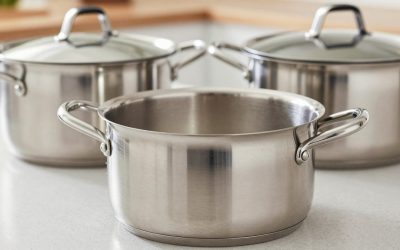
Swap heavy cast-iron pans for lighter nonstick or aluminum pans with two handles. Use utensils with thick, cushioned handles if grip strength or arthritis is an issue.
Clear, readable controls
Mark “off” positions on dials with bright tape or tactile dots. Microwaves with large keypads and simple one-touch buttons reduce confusion.
Bring appliances to counter height
A countertop toaster oven or microwave at waist level means no bending into a low oven or lifting over one’s head.
Create a Seated Work Station
A sturdy chair or perching stool with a backrest at the counter allows chopping, mixing, and resting without standing for long periods. A section of counter with open knee space underneath is ideal for wheelchair users or those who tire quickly.
Food Safety Checks
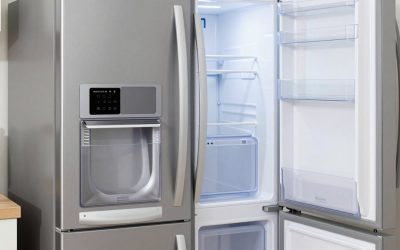
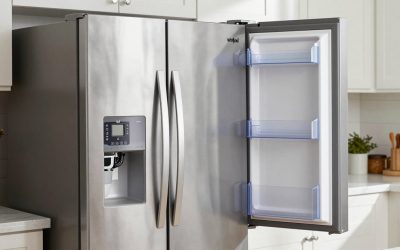
Older adults are more vulnerable to foodborne illness. Label leftovers with dates, keep the refrigerator at or below 40°F, and do a quick weekly check for expired items, especially if vision or memory has changed.
FAQ
Should an older adult with memory loss still use the stove?
It depends on the stage and the individual. Many people continue safely with supervision, automatic shut-off devices, and simplified routines. If burners are repeatedly left on, consider switching to a microwave or supervised cooking only.
What is the single most useful kitchen change?
For most households, moving everyday items into the hip-to-shoulder zone. It removes stool use and deep bending, two of the most common triggers for kitchen falls.
Bottom Line
Senior-proofing a kitchen is about removing reaching, bending, heat risk, and slippery surfaces while keeping cooking possible. Watch a real meal being made, move daily items to comfortable heights, add light and grip, and install simple burn and fire protections. The goal is a kitchen that still feels like home, just with fewer ways to get hurt.
Ready to decide? Our #1 pick for 2026 is the Floor at sink.
Live price & availability on Amazon.
Related Reviews & Guides


Best Adjustable Bed for Couples
Does Medicare Cover Walkers and Wheelchairs