Last Updated: September 27, 2026
The living room is where older adults often spend most of their waking hours, which makes it both a comfort zone and a place where small hazards add up. A low, sagging sofa, a coffee table in the walking path, an extension cord across the floor, and a remote dropped between cushions all seem minor until one of them causes a fall. Senior-proofing a living room keeps the room cozy while making it easier to sit, stand, move around, and reach what’s needed. Below is a room-by-room approach focused on the living space itself.
Quick answer: Our top pick in 2026 is the Seat height — our #1 rated choice. See the full ranked comparison, alternatives and buying advice below.
Choose Seating That Helps You Stand
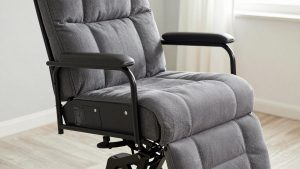
Low, soft furniture is the most common living room problem. When hips sink below knees, standing requires a lot of leg strength and momentum, which leads to wobbly rises and falls backward.
Ideal chair dimensions
| Feature | Recommended range | Why |
|---|---|---|
| Seat height | 18-20 inches from floor | Keeps hips level with or above knees |
| Seat depth | 18-20 inches | Back support without sliding forward |
| Armrest height | 7-9 inches above seat | Good push-off point when standing |
| Cushion firmness | Medium to firm | Prevents sinking |
| Armrest length | Extends to front of seat | Hands stay over feet while rising |
Fixing existing furniture
Firm seat cushions or furniture risers can raise a low sofa. A lift chair may help someone who struggles to rise even from a well-proportioned chair.
Create Clear Walkways
Plan paths at least 36 inches wide, and 42 inches or more if a walker is used. Pull the coffee table back or replace it with a smaller side table positioned at the chair. Arrange furniture so walkways are straight and do not require weaving.
Rugs and cords
Remove small throw rugs. If a large area rug stays, choose low-pile and tape or secure edges. Route cords along walls and use cord covers, or relocate lamps closer to outlets.
Improve Lighting
Older eyes need more light and less glare. Use multiple sources: overhead light, floor lamps, and table lamps positioned to avoid shadows at doorways and chairs. Put lamps on smart plugs or remote switches so they can be turned on from the entrance. Light switches with illuminated toggles are easy to find at night.
Contrast helps
Contrasting colors make furniture edges easier to see. A dark chair against a light wall, or a light throw on a dark sofa arm, helps people with low vision judge distances.
Keep Essentials Within Reach
A side table next to the main chair should hold the phone, remote, glasses, water, tissues, and medication reminders. A caddy that hangs over the chair arm keeps items from slipping into cushions. Large-button remotes and phones help with vision and dexterity.
Watch for Hidden Hazards
Glass and sharp edges
Glass-top tables and furniture with sharp corners are a risk if someone stumbles. Corner guards help, or swap for rounded-edge pieces.
Pets
Pets underfoot are a real fall risk. Place pet beds out of walkways and consider a bell on a cat’s collar.
Fireplace and heaters
Screen fireplaces and keep space heaters at least three feet from furniture, blankets, and curtains. Choose heaters with tip-over and overheat shut-off.
Doorway thresholds
Raised thresholds between the living room and hallway or kitchen catch toes and walker wheels. A small beveled threshold ramp, or simply painting the threshold edge a contrasting color, makes the change in level easier to notice and cross.
Plan for Comfort and Social Life
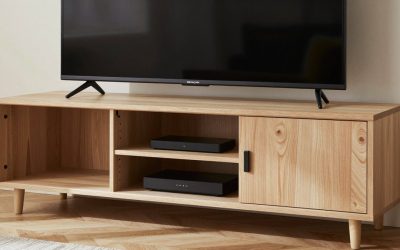
Senior-proofing should not make the room lonely. Arrange seating for conversation, keep the TV at a comfortable viewing distance, and add captions on the TV if hearing is an issue. A comfortable, safe living room encourages movement and social interaction, which supports overall health.
FAQ
Is a recliner safe for a senior?
Many are, as long as the footrest is easy to retract and the person can rise from it without rocking. Manual levers can be hard to operate with weak hands, so power recliners or lift chairs may suit people with arthritis.
How can I raise a sofa without buying a new one?
Furniture risers designed for sofa legs, firmer replacement cushions, or a firm seat cushion topper can add two to four inches. Check that risers fit securely and do not slide.
Bottom Line
A senior-friendly living room has seating that makes standing easy, clear straight walkways, bright but glare-free lighting, and essentials within arm’s reach of the favorite chair. Start with the chair and the path around it, since that is where most living room falls happen.
Ready to decide? Our #1 pick for 2026 is the Seat height.
Live price & availability on Amazon.
Related Reviews & Guides



Compact Wrist Blood Pressure Monitor for Seniors

Best Masonry Saws for Cutting Brick and Block Reviewed