Last Updated: September 7, 2026
- How a Raised Toilet Seat for the Elderly Restores Independence
- Buying Guide: Picking the Right Raised Toilet Seat
- Key Features to Look for in a Raised Toilet Seat
- Installing and Using a Raised Toilet Seat Safely
- Who Benefits Most From a Raised Toilet Seat
- Related Guides
- Frequently Asked Questions
- Final Thoughts
- Related Guides
How a Raised Toilet Seat for the Elderly Restores Independence
Lowering onto and rising from a standard toilet is one of the most physically demanding daily activities for seniors with arthritis, hip replacements, or weakened leg muscles. A raised toilet seat for the elderly adds 3 to 6 inches of height to the toilet, reducing the range of motion required and minimizing strain on hips and knees. This simple device can prevent falls, reduce pain, and help seniors maintain bathroom independence long after a surgery or mobility decline.
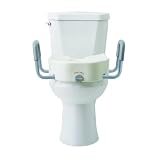
1. Drive Medical Raised Toilet Seat with Hinged Arms
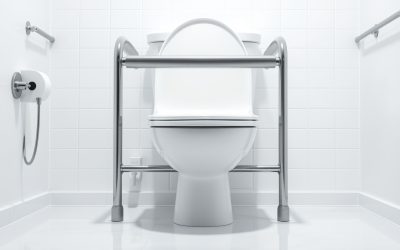
Drive Medical's hinged-arm raised toilet seat is a comprehensive solution that raises the seat by 5 inches and provides two padded armrests for safe lowering and rising. The locking mechanism secures the seat to standard round and elongated bowls without tools. It supports up to 300 lbs. The removable design makes it easy to take along when traveling or visiting family.
As an Amazon Associate we earn from qualifying purchases at no extra cost to you.


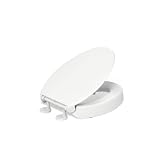



2. Carex Raised Toilet Seat — 5-Inch Lift, No Arms
For seniors who only need the height boost without armrests, Carex's simple raised seat is a practical pick. It fits most standard and elongated toilet bowls with a secure locking lever, adds 5 inches of height, and supports up to 300 lbs. Its slim, discreet profile does not alter the appearance of the bathroom significantly. Easy to attach and remove for multi-user households.
3. Vive Raised Toilet Seat with Arms — 3.5-Inch Riser
Vive's model strikes a balance between stability and comfort. The molded plastic seat adds 3.5 inches and includes detachable, padded armrests that lock securely. The seat fits both round and elongated bowls and clamps on without tools. Non-slip pads on the bottom prevent shifting. A solid mid-range choice for post-surgical recovery or long-term mobility assistance.
Buying Guide: Picking the Right Raised Toilet Seat
- Height increase: 2-inch risers suit mild mobility challenges; 4-6 inch risers are better for hip replacement recovery.
- Round vs. elongated: Measure your toilet bowl before buying — most seats are designed for one shape or labeled "fits both."
- Arms or no arms: Arms are highly recommended for seniors with weak upper body strength or balance issues.
- Weight capacity: Confirm the seat supports the user's weight with a comfortable safety margin.
- Locking mechanism: A secure lock is critical — a seat that shifts during use is a fall hazard.
- Hygiene: Look for surfaces that are smooth and easy to wipe clean with standard bathroom disinfectants.
Key Features to Look for in a Raised Toilet Seat
A raised toilet seat reduces how far a senior has to lower and lift themselves, easing strain on the hips, knees, and back. The added height is the main feature, and many models offer a few inches of lift, sometimes adjustable, to match the user’s needs. A secure locking or clamping mechanism that holds the seat firmly to the toilet bowl is essential so it does not shift during use. Models with sturdy armrests give the user something solid to push against when rising.
Comfort, fit, and cleaning round out a good choice. Check that the seat matches the toilet shape, whether round or elongated, for a stable fit, and choose a weight capacity well above the user’s weight. A contoured or lightly padded surface adds comfort, and a smooth, non-porous material is easier to wipe clean and keep hygienic. A design that removes easily can help when other household members share the bathroom.
Installing and Using a Raised Toilet Seat Safely
Most raised seats install without tools, but a secure fit is critical. Follow the instructions to clamp or bracket the seat tightly onto the bowl, then test that it does not rock or slide before relying on it. Confirm the locking hardware is fully tightened, and re-check it periodically since clamps can loosen with repeated use. If the seat includes armrests, make sure they are locked in place and positioned for a comfortable, supportive grip.
Day-to-day safety comes from a stable setup and good habits. Keep the floor around the toilet dry and clear, and consider pairing the raised seat with a nearby grab bar for additional support during transfers. Clean the seat regularly with a gentle disinfectant to maintain hygiene, and inspect the brackets and surface for cracks or wear. If a senior has had recent hip or knee surgery, an occupational therapist can advise on the safest seat height and transfer method.
Who Benefits Most From a Raised Toilet Seat
Raised toilet seats are especially valuable for seniors with hip or knee arthritis, those recovering from hip or knee replacement surgery, and anyone who finds it painful or unsafe to lower themselves onto a standard-height toilet. By reducing the distance the user must descend and rise, the added height eases pressure on sore joints and lowers the risk of losing balance during the transfer. Models with armrests give extra leverage for people with weak legs. After joint surgery, doctors often advise avoiding deep bending of the hip, and a raised seat helps the patient follow that guidance comfortably at home. Because needs vary, an occupational therapist can recommend the right seat height and whether added handrails or a nearby grab bar would make transfers safer for the individual.
Related Guides
- Quick Picks: Best Bathtub Transfer Benches for Seniors
- Best Bathroom Grab Bars For Shower 2026
- Best Bath Mats with Rubber Backing for Senior Safety
- Best Tub Transfer Bench for Seniors: Safe Bathing Made Easy
Frequently Asked Questions
How much does a raised toilet seat lift the user?
Models vary, with many adding a few inches of height and some offering adjustable settings. Choose the lift that makes sitting and standing comfortable for the user.
Will a raised toilet seat fit my toilet?
Seats are made for round or elongated bowls, so check your toilet shape and the product’s fit before buying to ensure a secure, stable attachment.
Are raised toilet seats with handles better?
Built-in armrests give the user something to push against when rising, which many seniors find safer, though steadier users may prefer a seat without them.
How do I keep a raised toilet seat secure?
Tighten the clamps or brackets fully per the instructions, test that it does not rock before use, and re-check the hardware periodically since it can loosen.
How do I clean a raised toilet seat?
Wipe it regularly with a gentle disinfectant and choose a smooth, non-porous model that is easy to keep hygienic between deeper cleanings.
Final Thoughts
A raised toilet seat for the elderly is a low-cost, high-impact assistive device that belongs in nearly every senior home. It reduces physical strain, lowers fall risk, and allows seniors to maintain privacy and independence in the bathroom. Pick the right height and style for your loved one's needs, and make the bathroom a safer place today.
Related Reviews & Guides




Senior Anti Slip Bath Mat Suction Cup Review

Converting a Tub to a Walk-In Shower: What Seniors Should Know