Last Updated: September 7, 2026
- Why the Right Wheelchair Cushion Matters for Health and Comfort
- Buying Guide: Choosing the Best Wheelchair Cushion
- How a Seat Cushion Improves Comfort and Pressure Relief
- Caring for the User and the Cushion
- Who Benefits Most From a Pressure-Relief Cushion
- Related Guides
- Frequently Asked Questions
- Final Thoughts
- Related Guides
- Top Pick: AUVON Gel Wheelchair Seat Cushion with Waterproof Cover for Pressure Sore & Ulcer, Ergonomic Chair Cushion with U-Cutout for Tailbone Pain, Back Pain Relief, Memory Foam Wheelchair Cushion, Anti-Slip
- Best Value: Everlasting Comfort Doctor Recommended Memory Foam Seat Cushion for Office Chairs & Car – Ergonomic Office Desk Accessories – Cushions for Tailbone Pain Relief, Sciatica (Black, Large)
- Premium Choice: Everlasting Comfort Ventilated Wheelchair Cushions for Pressure Relief – Gel Memory Foam Wheel Chair Seat Cushion Pad for Seniors and Adults & Pain Relief – Soft Non-Slip Cover – Office Accessories
Why the Right Wheelchair Cushion Matters for Health and Comfort
Prolonged sitting in a wheelchair places constant pressure on the tailbone, hips, and thighs — areas prone to pressure sores (pressure ulcers) that can become serious, even life-threatening, for elderly or mobility-impaired individuals. A quality seat cushion for wheelchair users distributes body weight more evenly, reduces peak pressure points, improves posture, and significantly increases comfort during extended sitting periods.
The right cushion depends on the level of pressure relief needed, the user’s weight, and their sensitivity to heat. Options range from pressure-relief foam to air cell designs to gel-foam hybrids. The best wheelchair cushions are also easy to transfer on and off the chair and have washable covers.
As an Amazon Associate we earn from qualifying purchases at no extra cost to you.


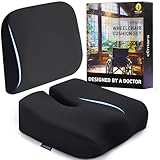
1. Roho Mosaic Cushion
The ROHO Mosaic is a clinically recognized air cell cushion used in hospitals and rehab centers worldwide. Its interconnected air cells dynamically distribute weight and accommodate posture shifts, providing superior pressure relief for users at moderate risk of pressure sores. The cushion is adjustable to individual preference by adding or releasing air. The cover is moisture-resistant and machine washable.
2. Drive Medical Pressure Relief Wheelchair Cushion
The Drive Medical gel-foam cushion combines a visco-elastic memory foam base with a gel pad layer that targets the ischial (sitting bone) area for maximum pressure relief. It fits most standard 18-inch wheelchair seats and includes a non-slip bottom to prevent sliding. The removable, machine-washable cover simplifies hygiene maintenance.
3. Medline Gel Wheelchair Cushion with Fleece Top
The Medline gel cushion features a fluid-filled gel pad that conforms to body contours, reducing pressure peaks by up to 30% compared to foam alone. The fleece top cover adds warmth and softness for sensitive skin, and the non-slip bottom keeps the cushion stable. Available in 16 and 18-inch seat widths to match different wheelchair sizes.
Buying Guide: Choosing the Best Wheelchair Cushion
- Pressure level risk: Low risk users benefit from foam; moderate to high risk need gel or air cell cushions.
- Cushion thickness: 2–4 inches is standard; thicker cushions elevate seating height — check footrest adjustment range.
- Width and fit: Match the cushion width to the wheelchair seat width for proper positioning.
- Heat management: Gel and air cushions run cooler than solid foam, important for temperature-sensitive users.
- Non-slip base: Prevents the cushion from sliding during transfers.
- Weight capacity: Ensure the cushion is rated for the user’s weight.
- Washable cover: Removable, machine-washable covers are essential for infection control and hygiene.
How a Seat Cushion Improves Comfort and Pressure Relief
A good wheelchair cushion does far more than add softness; it redistributes body weight to relieve pressure on the areas most prone to sores, especially for someone who sits for long periods. Materials make a big difference: memory foam molds to the body for even support, gel layers help with cooling and pressure distribution, and air-filled cushions can be adjusted to fine-tune support. A contoured shape that cradles the hips and thighs helps keep the user centered and comfortable.
Fit and practicality matter for daily use. The cushion should match the width and depth of the wheelchair seat so it sits flat without overhanging or sliding. A non-slip base keeps it in place, and a removable, washable cover keeps it hygienic. Breathable materials reduce heat and moisture buildup. For users at higher risk of pressure injuries, choosing the right type of cushion is a medical consideration, so it is worth consulting a doctor or occupational therapist.
Caring for the User and the Cushion
Comfort and skin health depend on good habits as much as the cushion itself. Even with a quality cushion, repositioning regularly and shifting weight throughout the day help relieve pressure and protect the skin. Check the skin over the hips and tailbone for any redness or irritation that does not fade, and report persistent changes to a healthcare provider, since early attention to pressure areas is important. Make sure the user sits fully back in the seat for proper support.
Maintaining the cushion keeps it effective and clean. Remove and wash the cover according to the instructions, let the cushion air out to prevent moisture buildup, and inspect foam or air cells for flattening or damage that reduces support. Air cushions may need periodic adjustment to keep the right firmness. Replace a cushion once it no longer springs back or provides even support. For users with limited sensation or mobility, professional guidance ensures the cushion truly meets their needs.
Who Benefits Most From a Pressure-Relief Cushion
Wheelchair seat cushions matter most for people who spend many hours seated and are therefore at greater risk of pressure sores, including full-time wheelchair users and seniors with limited mobility or reduced sensation. A good cushion also benefits anyone who finds prolonged sitting uncomfortable, easing pressure on the tailbone and hips so they can stay seated longer with less ache. The right cushion depends on the individual’s risk level and body shape, which is why memory foam, gel, and air cushions each suit different users. For someone with a history of pressure injuries or reduced feeling in the skin, cushion selection is a medical decision best made with a doctor or occupational therapist, who can also advise on a repositioning schedule and skin checks to protect against sores.
Related Guides
- Senior Rocking Chair Outdoor Porch Review
- Best Lift Chair Recliner for Mobility
- Best Anti-Tip Rocker Chair for Elderly
Frequently Asked Questions
How does a wheelchair cushion prevent pressure sores?
It redistributes body weight away from high-pressure points like the tailbone and hips. Combined with regular repositioning, this helps protect the skin during long periods of sitting.
What cushion material is best?
It depends on the user’s needs. Memory foam molds to the body, gel adds cooling and pressure relief, and air cushions are adjustable. Those at high risk should consult a professional.
How do I choose the right cushion size?
Match the cushion to the width and depth of the wheelchair seat so it lies flat without overhanging or sliding, which keeps the user properly supported.
How often should the cushion be cleaned?
Remove and wash the cover per the instructions, air the cushion to prevent moisture buildup, and wipe it down regularly to keep it hygienic.
When should a cushion be replaced?
Replace it when the foam no longer springs back, an air cell leaks, or the cushion no longer provides even support, since worn cushions lose their pressure-relief benefit.
Final Thoughts
A quality seat cushion for wheelchair users is a genuine medical necessity for those who spend significant time seated. Pressure sores are preventable with the right cushion, and improved comfort leads to better quality of life. The ROHO Mosaic is the clinical gold standard, while the Drive Medical and Medline options provide excellent value for everyday use. Consult a physical or occupational therapist for personalized recommendations if pressure sore risk is high.
Related Reviews & Guides




4 Best Leg Compression Massagers for Circulation
8 Best Seat Cushions for Elderly: Comfort for Chair & Car