Last Updated: October 4, 2026
- Top Pick: Vive Hemi Walker for Seniors – Narrow for Small & Tight Spaces, Ultra
- Best Value: Days Hemi Walker – Mobility Aid for Elderly, Handicapped, Disabled Users – One Arm or Hand Support, Folding, Aluminum, Height Adjustable – Weight Capacity Up to 300 Pounds
- Premium Choice: Rock Steady Rolling Side Walker. Physical Therapist Love it! No Lifting Providing Effortless Mobility with Stability. Light Weight & Compact, Ideal for Indoor and Outdoor Use. Great Maneuverability.
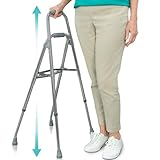
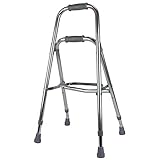
After a stroke, an arm injury, or surgery that leaves one side of the body weaker than the other, a standard walker often becomes impossible to use — it takes two working hands to lift and steer. Hemi walkers solve this problem. A hemi walker (sometimes called a one-arm walker or side walker) is a four-legged frame designed to be held with a single hand at your side, giving far more stability than a cane while remaining light enough to advance with one arm. For stroke survivors with hemiparesis — weakness on one side — it is often the bridge between a quad cane and a full walker, recommended during rehabilitation by physical therapists.
Below are the best hemi walkers for one-sided support after stroke, plus guidance on fit, safe technique, and when a hemi walker is (and is not) the right tool. One essential note first: the choice of mobility aid after a stroke should always be made with your physical therapist or doctor. The wrong device, height, or technique can increase fall risk, so treat this guide as preparation for that conversation, not a replacement for it.
As an Amazon Associate we earn from qualifying purchases at no extra cost to you.


Top Picks: Best Hemi Walkers for One-Sided Support
1. Vive Hemi Walker
Vive’s hemi walker stands out for its narrow frame, built for the tight spaces real homes have — bathroom doorways, hallways, the gap beside the bed. It is ultra lightweight, folds with one hand, and doubles as a stand-assist support for getting out of a chair, which is exactly how therapists often teach stroke survivors to use it. A strong all-around first choice.
2. Loyoda Folding Hemi Walker
Loyoda’s side-style one-arm walker keeps weight low while offering push-button height adjustment and cushioned foam grips that are kind to a hand doing all the work. It folds flat for car trunks and closets — convenient for seniors who split time between home, therapy appointments, and family visits.
3. Loyoda One-Arm Hemi Walker (Ultra-Light Aluminum)
This second Loyoda design emphasizes ultra-light aluminum construction with a solid weight capacity, making it one of the easiest frames to advance for users with limited strength. If lifting fatigue is your main obstacle — common in the months after a stroke — a lighter frame like this one can meaningfully extend how far you can walk.
4. HappyBuy Folding Hemi Walker
A value-priced aluminum hemi walker with six height levels and a generous weight capacity. It covers the fundamentals — folding frame, side-style one-hand grip, non-slip tips — at a price that suits buyers who need a second walker for upstairs, the car, or a vacation home.
5. Days Hemi Walker
Days is a long-established mobility brand, and its folding aluminum hemi walker is a therapist-familiar classic: height adjustable, sturdy, and simple. For seniors who want a proven design without extra features to learn, this is the dependable pick.
How to Choose and Fit a Hemi Walker
Get the height right first. Stand in your usual shoes with arms relaxed; the handgrip should sit at the crease of your wrist, so your elbow bends slightly (about 15-20 degrees) when holding it. All our picks adjust in increments — set the height and have your therapist confirm it at your next session.
Check weight capacity and frame weight. The frame must support your weight with a safety margin, but the walker’s own weight matters just as much, because your one working arm lifts it with every step. Lighter aluminum frames reduce fatigue dramatically over a day.
Think about where you will use it. Narrow frames maneuver better indoors; wider bases feel more stable outdoors. Folding matters if the walker rides in a car often. Soft, contoured grips help if arthritis affects your strong hand. And if you also use other aids, our guides to the best quad canes for the elderly and the walking cane complete guide explain where each device fits on the stability ladder.
Comparison Table
| Model | Frame | Best For | Standout Feature |
|---|---|---|---|
| Vive Hemi Walker | Narrow, folding | Tight indoor spaces | Doubles as stand-assist aid |
| Loyoda Folding | Lightweight, folding | Travel and storage | Push-button height, foam grips |
| Loyoda One-Arm Ultra-Light | Ultra-light aluminum | Limited arm strength | Minimal lifting fatigue |
| HappyBuy Folding | Aluminum, 6 heights | Budget / backup walker | High weight capacity for the price |
| Days Hemi Walker | Classic aluminum | Proven simplicity | Long-trusted therapy-room design |
Using a Hemi Walker Safely After Stroke
The standard technique your physical therapist will teach: hold the walker on your strong side, move the walker forward first, step with the weaker leg next, then bring the stronger leg through. Keep all four tips on the ground before stepping, and never use the walker to pull yourself up from a chair — push up from the armrest, then grasp the walker once standing. Clear loose rugs and cords from walking routes, and light those routes well; our guide to smart home devices for elderly parents covers automatic lighting. Around steps and entrances, a portable ramp and properly installed grab bars remove the riskiest transitions, and supportive non-slip shoes are non-negotiable. As your strength returns, your therapist may progress you toward a walking cane for balance; if you need more support instead, see our roundup of anti-tip walkers for the elderly.
Frequently Asked Questions
What is the difference between a hemi walker and a quad cane?
Both are used one-handed, but a hemi walker has a much wider, four-legged base, giving substantially more stability and weight-bearing support. Therapists typically position the hemi walker between a quad cane and a standard walker on the stability spectrum.
Which side should I hold a hemi walker on after a stroke?
On your stronger, unaffected side. The walker then shares the load your weaker side cannot carry. Your physical therapist will confirm the correct side and gait pattern for your specific situation.
Will Medicare pay for a hemi walker?
Walkers are generally covered as durable medical equipment under Medicare Part B when prescribed by a doctor as medically necessary, with standard deductibles and coinsurance applying. Ask your doctor for a prescription and check with your supplier about coverage before buying out of pocket.
Can a hemi walker be used on stairs?
No — hemi walkers are not designed for stair use. Use handrails and the technique your therapist teaches for stairs, and consider a second walker for the other floor so you never carry one while climbing.
How do I know when to move from a hemi walker to a cane?
When your balance, strength, and endurance improve enough that the walker feels unnecessary — a judgment your physical therapist should make with you through gait assessment. Progressing too early is a common cause of falls in stroke recovery.
A hemi walker gives stroke survivors something a cane cannot: real, lean-on-it stability that one hand can control. Fitted correctly and used with the technique your therapy team teaches, it restores safe steps — and with them, confidence and independence at home.
Related Reviews & Guides


Stair Lift Residential Comparison
6 Best Mobility Scooters For Elderly 2026