Last Updated: September 27, 2026
Arthritis pain often feels worse at night. Joints stiffen when still, pain can seem louder without daytime distractions, and poor sleep lowers pain tolerance the next day, creating a frustrating cycle. Many people with osteoarthritis or rheumatoid arthritis report trouble falling asleep or waking from pain. While there is no single fix, a combination of positioning, bedding, routine, and treatment adjustments can make nights more comfortable. This guide covers practical strategies; talk to a doctor about persistent pain or changes in symptoms.
Quick answer: Our top pick in 2026 is the Knees — our #1 rated choice. See the full ranked comparison, alternatives and buying advice below.
Why Arthritis Pain Disrupts Sleep
Inactivity during sleep can make joints stiff. Inflammatory arthritis follows daily rhythms that can increase stiffness early in the morning. Pain can also cause frequent position changes, waking you repeatedly. And poor sleep increases sensitivity to pain, feeding the cycle.
Find Supportive Sleeping Positions
| Affected joint | Position tips | Pillow support |
|---|---|---|
| Knees | Side sleeping or back sleeping | Pillow between knees (side) or under knees (back) |
| Hips | Back or on non-painful side | Pillow between knees keeps hips aligned |
| Lower back | Back with knees bent, or side with knees drawn up | Pillow under knees or between them |
| Shoulders | Back or non-painful side | Hug a pillow to support the arm |
| Neck | Back or side | Pillow that keeps neck level with spine |
| Hands and wrists | Any comfortable position | Wrist splints if recommended |
Choose the Right Mattress and Bedding
Mattress firmness
Medium-firm mattresses often suit people with arthritis, supporting joints without creating pressure points. A mattress that is too soft can let hips sink; too firm can press on shoulders and hips. A memory foam or latex topper of 2 to 3 inches can soften a firm mattress.
Pillows
Body pillows, knee pillows, and wedge pillows help maintain alignment. A cervical pillow may help neck arthritis.
Adjustable beds
An adjustable base can raise the head or knees, which some people find eases back and knee pain and makes getting out of bed easier.
Lightweight, warm bedding
Heavy blankets can press on painful joints. Lightweight, warm covers and flannel sheets help keep joints warm without pressure.
Warm Up Joints Before Bed
Warmth relaxes muscles and eases stiffness. A warm bath or shower 60 to 90 minutes before bed can help, and it also supports natural drowsiness as body temperature falls afterward. Heating pads with automatic shut-off can be used before sleep, but avoid sleeping on them to prevent burns. Gentle stretching or range-of-motion exercises in the evening can also help.
Build a Sleep-Friendly Routine
Keep a consistent schedule
Go to bed and wake at the same time daily to support your body clock.
Limit screens and caffeine
Avoid caffeine after early afternoon and reduce screen use an hour before bed.
Stay active during the day
Regular low-impact exercise such as walking, swimming, or tai chi improves both arthritis symptoms and sleep quality.
Relaxation techniques
Deep breathing, progressive muscle relaxation, and mindfulness can reduce pain perception and help you fall asleep.
Talk to Your Doctor About Treatment Timing
Some people benefit from adjusting when they take pain medication, or from specific treatments for nighttime pain. Do not change medications without advice. Cognitive behavioral therapy for insomnia (CBT-I) has good evidence for improving sleep in people with chronic pain. If you snore loudly or wake unrefreshed, ask about sleep apnea, which is common and worsens pain.
Handling Morning Stiffness
Gentle stretches in bed before rising, a warm shower, and keeping the bedroom warm can ease morning stiffness. If stiffness lasts more than an hour, mention it to your doctor, since it can indicate inflammatory arthritis.
Make Getting In and Out of Bed Easier
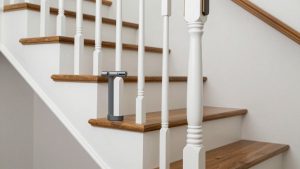
Painful joints often make the act of getting out of bed at night the hardest part. A bed at a height where feet rest flat on the floor, a bed assist handle, and silk or satin pajamas that slide easily on sheets reduce the effort of turning over and sitting up. Keep a lamp within reach so you do not twist to find a switch.
FAQ
Is it better to use heat or cold for arthritis at night?
Heat usually helps stiffness and muscle tension, which is common at night. Cold can help acute swelling. Many people use heat in the evening and cold after activity.
Can an adjustable bed help arthritis?
For some people, yes. Raising the knees or head can reduce pressure on painful joints and make getting up easier. Try one before buying if possible.
Bottom Line
Sleeping comfortably with arthritis involves supportive positions with pillows, a medium-firm mattress, warming joints before bed, and a consistent routine. Talk to your doctor about medication timing and sleep problems, since better sleep can reduce pain and improve daytime function.
Ready to decide? Our #1 pick for 2026 is the Knees.
Live price & availability on Amazon.
Related Reviews & Guides



Best Laptops for Engineering Students: Performance, Portability, and Value

Best Wheelchair for Amputees