Last Updated: October 4, 2026
- Quick Picks: Best Knee Braces for Seniors with Arthritis
- Why Trust Our Recommendations
- Buying Guide: Knee Brace Support for Seniors with Arthritis
- How to Choose the Right Knee Brace for Arthritis Support
- Using and Caring for a Knee Brace Safely
- Frequently Asked Questions
- Final Verdict
- Related Guides
- Related Articles
- Related Guides
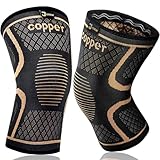
- Top Pick: Copper Knee Brace for Men and Women (2 Pack, Large) Compression Support
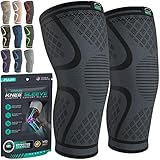
- Best Value: Modvel Compression Knee Brace for Women & Men – 2 Pack Knee Brace for Women Running Knee Pain, Knee Support Compression Sleeve, Workout Sports Knee Braces for Meniscus Tear ACL & Arthritis Pain Relief
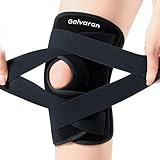
- Premium Choice: Bracoo Adjustable Compression Knee Patellar Pad Tendon Support Sleeve Brace for Men Women – Arthritis Pain, Injury Recovery, Running, Workout, KS10 (Black)
As an Amazon Associate we earn from qualifying purchases at no extra cost to you.




🛒 Best Price Today on Amazon
Prime members get fast, free shipping on everything above, plus member-only deals. New members get a 30-day free trial — cancel anytime.
Start 30-Day Prime Free Trial →See Today’s Amazon DealsQuick Picks: Best Knee Braces for Seniors with Arthritis
Why Trust Our Recommendations
Our team focuses exclusively on senior mobility and joint health products. We evaluate knee braces based on ease of putting on and taking off (critical for arthritic hands), compression level, breathability, and durability from real-world senior use. We consult published physical therapy guidelines and verified buyer feedback to ensure recommendations are practical, not just theoretical.
Buying Guide: Knee Brace Support for Seniors with Arthritis
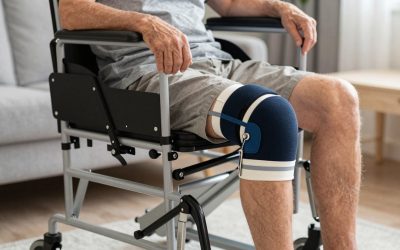
Type matters most. Sleeves offer mild, consistent compression for everyday aches. Wraparound braces add adjustability for swollen knees. Hinged braces provide structural support when the joint feels unstable. Match the type to the severity of arthritis, not just price.
Check the closure system. Pull-on sleeves are economical but hard on arthritic hands. Velcro straps allow fine adjustment and are far easier to manage independently. If a senior lives alone, closure ease should be the top priority.
Compression level. Light (15–20 mmHg) suits mild swelling and everyday support. Moderate (20–30 mmHg) helps with persistent swelling and post-activity soreness. Avoid high-compression braces without consulting a physician, as they can restrict circulation in seniors with vascular issues.
Material and breathability. Seniors with sensitive skin should avoid pure neoprene. Look for blended fabrics or moisture-wicking designs that prevent skin irritation during extended wear.
How to Choose the Right Knee Brace for Arthritis Support
Selecting a knee brace works best when you match the level of support to the activity and the comfort needs of the wearer. A lightweight compression sleeve offers gentle, all-day warmth and mild stabilization that many seniors find comfortable for walking and household tasks. A hinged brace provides firmer side-to-side support and is often preferred when the knee feels unstable or buckles. Wrap-around styles with adjustable straps are easier to put on for anyone with limited hand strength because they do not need to be pulled up over the foot.
Fit is the single most important factor. A brace that is too tight can pinch and restrict circulation, while one that is too loose slides down and offers little benefit. Measure the leg according to the size chart, look for breathable fabric to reduce sweating, and check that the seams sit flat against the skin. Because arthritis affects every joint differently, it is wise to ask a doctor or physical therapist whether compression, hinged, or unloader support is most appropriate for the specific condition before buying.
Using and Caring for a Knee Brace Safely
A knee brace performs best when it is worn correctly and kept clean. Position the opening or patella cutout, if present, over the kneecap so the support is centered, and adjust the straps snugly without cutting off circulation. Wear the brace over a thin layer of clothing or directly on clean, dry skin, and check periodically for any redness, numbness, or tingling that could signal it is too tight. Most people use a brace during activity and remove it when resting, but the right schedule depends on individual needs, so follow the guidance of a healthcare professional.
Regular cleaning extends the life of the brace and prevents skin irritation. Hand-wash the sleeve or wrap in mild soap and cool water, then air-dry it away from direct heat, which can break down elastic fibers. Inspect the straps, hinges, and stitching from time to time and replace the brace once the material stretches out and no longer holds its shape. If pain increases, swelling appears, or the knee feels worse while wearing the brace, stop using it and consult a doctor, since a brace supports the joint but does not replace medical treatment for arthritis.
Frequently Asked Questions
Can a knee brace make arthritis worse?
A properly fitted brace worn for appropriate durations will not worsen arthritis. Over-reliance that causes muscle atrophy is the main risk — use a brace for activity support, not as a substitute for strengthening exercises prescribed by a physical therapist.
How long should a senior wear a knee brace per day?
Most occupational therapists recommend wearing a supportive brace during active periods and removing it when resting or sleeping. Four to eight hours of daily use during activity is a common guideline, but follow your doctor’s specific advice.
What size knee brace should I buy?
Measure the circumference of your knee at the midpoint (not the thigh or calf) and follow the brand’s specific sizing chart. When in doubt, size up — a slightly loose brace is safer than one that restricts circulation.
Are knee braces covered by Medicare?
Medicare Part B may cover custom-fitted knee braces prescribed by a doctor for certain conditions like osteoarthritis. Standard over-the-counter braces are typically not covered, though some Medicare Advantage plans may include an allowance for OTC health products.
Can I sleep with a knee brace on?
Generally no — sleeping in a compression brace can restrict blood flow and cause discomfort. Exceptions include post-surgical immobilizing braces worn under physician guidance. Remove the brace at bedtime unless specifically instructed otherwise.
Final Verdict
For most seniors with arthritis knee pain, the Copper Compression Knee Brace delivers the best balance of comfort, ease of use, and everyday support. Seniors needing more structural stability should step up to a hinged brace with Velcro closures for independent donning and doffing. Budget shoppers or those with only mild discomfort will find the Cambivo sleeve an honest, comfortable option. Consult your physician or physical therapist before choosing a compression level, especially if you have circulation concerns.
Browse all top-rated knee braces for seniors on Amazon
Related Guides
- Walker Accessories Tray and Basket Guide
- Best Threshold Ramps for Doorways, Walkers and Wheelchairs
- Quick Picks: Best Lightweight Folding Rollator Walkers
- Walker Glides Tennis Balls
- Best Ankle Support Braces for the Elderly: Stability and Pain Relief
Related Reviews & Guides
OasisSpace Rollator Walker with Seat Review 2026

9 Best Folding Canes With Seat for Seniors: Rest Anywhere