Last Updated: September 4, 2026
Why the Right Thermometer Matters for Senior Health
Detecting a fever early is especially important for older adults, whose immune systems may respond more slowly to infection and whose temperatures can fluctuate more than younger adults. A digital thermometer for elderly users needs to be fast, easy to read, simple to operate, and accurate enough to detect even low-grade fevers that may signal a serious condition.
The best models for seniors offer large digital displays, audio alerts, memory recall of recent readings, and simple one-button operation. Non-contact infrared models are ideal for those with limited dexterity, while oral digital models remain highly accurate for everyday home use.
As an Amazon Associate we earn from qualifying purchases at no extra cost to you.
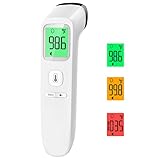


1. iHealth No-Touch Forehead Thermometer
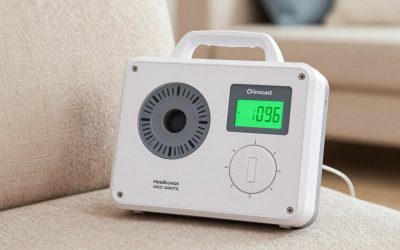
The iHealth PT3 is a contactless infrared thermometer that reads temperature in one second at a distance of 1–3 cm from the forehead. Its large LED display shows results clearly, and it features a fever alarm with color-coded backlight (green for normal, red for fever). Stores the last 20 readings for reference. No probe covers needed.
2. Braun ThermoScan 7 Ear Thermometer
The Braun ThermoScan 7 is a clinical-grade ear thermometer trusted by pediatricians and used widely by seniors. It takes readings in 2 seconds with Age Precision technology that flags whether a reading is a fever based on the user’s age group. The illuminated display and pre-warmed tip ensure comfort and accuracy for elderly users.
3. Vicks ComfortFlex Digital Thermometer
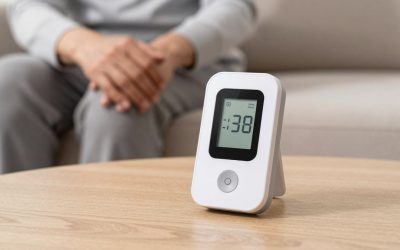
For seniors who prefer a traditional oral thermometer, the Vicks ComfortFlex is a comfortable, flexible-tip model with a 60-second reading time and a backlit display for easy reading in dim light. It beeps when the reading is complete and stores the last temperature in memory. The flexible tip makes oral use more comfortable and safer for those who might bite down.
Buying Guide: Key Features for Senior Users
- Measurement method: No-contact forehead models are easiest; ear models are highly accurate; oral models are most familiar.
- Reading speed: 1–3 seconds for infrared; 10–60 seconds for oral models.
- Display size: Large, high-contrast digits are essential for those with vision challenges.
- Backlight: Needed for nighttime use without turning on bright lights.
- Fever alarm: Audio and visual alerts remove guesswork from interpreting readings.
- Memory recall: Helpful for tracking temperature trends over a day or week.
- Battery type: AA or AAA batteries are easiest to source and replace.
What to Look For in a Digital Thermometer
For older adults, the most valuable qualities in a digital thermometer are accuracy, speed, and ease of use. Fast read times reduce the discomfort of holding still, while a large, backlit display makes the result easy to read for those with vision changes. Simple one-button operation and an audible beep when the reading is complete help users who find small controls difficult. A memory function that recalls the last reading can be handy for tracking changes over a day.
Different thermometer types suit different needs. Oral and underarm digital sticks are inexpensive and familiar, forehead (temporal) scanners are quick and non-invasive, and ear thermometers are fast but require correct positioning. No-touch infrared models are convenient and hygienic, which some caregivers prefer. Whatever the type, choosing a well-reviewed, reliable model and keeping it clean is what ensures consistent results. It is worth remembering that a thermometer measures temperature but does not diagnose illness, so notable or persistent fevers should be discussed with a healthcare provider.
Getting Accurate Readings
Good technique is the key to a trustworthy reading. Always follow the instructions for the specific thermometer type, since placement matters: oral thermometers should sit well under the tongue with the mouth closed, ear thermometers need to be aimed correctly in the ear canal, and forehead scanners work best on a clean, dry forehead away from sweat or hair. Wait the recommended time after eating, drinking, or exercising before taking an oral temperature, as these can skew the result.
Consistency makes readings more meaningful. Using the same thermometer and the same method each time, and noting the time of day, helps reveal real changes rather than normal daily variation. Clean the thermometer before and after use according to the manufacturer’s directions, and replace batteries when readings seem slow or the display dims. If a reading shows a significant fever, the person feels unwell, or there is any uncertainty about what the temperature means, contact a doctor, who can interpret the result alongside other symptoms.
Frequently Asked Questions
Which type of thermometer is most accurate for seniors?
When used correctly, oral, ear, and temporal thermometers can all give reliable readings. Technique matters most, so choose a well-reviewed model the user can position correctly and use consistently.
How fast are digital thermometers?
Many digital thermometers read in seconds, with infrared forehead and ear models often being the quickest. A fast read time is helpful for users who find it hard to hold still.
Can I use a forehead thermometer right after the person has been outside?
It is best to wait a few minutes indoors so skin temperature stabilizes, and to scan a clean, dry forehead. Sweat, recent sun, or cold air can affect surface readings.
How do I keep a thermometer clean?
Clean it before and after each use following the manufacturer’s directions, typically with an alcohol wipe or mild soap and water for the probe. Proper cleaning keeps readings reliable and hygienic.
When should a fever be reported to a doctor?
A thermometer measures temperature but does not diagnose illness. Contact a healthcare provider for a significant or persistent fever, if the person feels unwell, or whenever you are unsure what a reading means.
Storage and When to Replace
Keeping a thermometer in a clean, dry, easy-to-find spot means it is always ready when needed, which matters most when someone feels unwell. A protective case or the original storage sleeve helps keep the probe clean between uses. Over time, batteries weaken, so a slow display or dim screen is a sign it is time to replace them. If a thermometer gives inconsistent readings, the display becomes hard to read, or the probe shows wear, replacing the unit ensures continued accuracy. Having a reliable, working thermometer on hand gives caregivers and family one less thing to worry about.
Final Thoughts
A reliable digital thermometer for elderly individuals is a fundamental home health tool. Whether you prefer the no-fuss no-contact approach of the iHealth, the clinical accuracy of the Braun ear thermometer, or the familiar simplicity of the Vicks oral model, all three are excellent choices. Acting on an accurate temperature reading quickly can make a significant difference in managing illness early.
Related Reviews & Guides



Omron Blood Pressure Monitor: Top Models Reviewed for Seniors

Blood Pressure Monitor Accuracy for Elderly