Last Updated: October 4, 2026
- Top Pick: Tesuchan 16 Inch Grab Bars for Wall Brush Nickel
- Best Value: AmazerBath Shower Grab Bars for Bathtubs and Showers, Handicap Grab Bars for Shower Anti Slip, Shower Grab Bars for Senior for Wall Stainless Steel, Holds up to 500LBs, 12" L x 1" D, Brushed Nickel
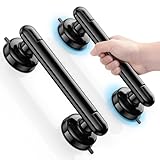
- Premium Choice: JOTPE Upgraded Grab Bars for Shower, No-Drill Suction Shower Handles, Black
Introduction
Properly installed grab bars are one of the most effective fall-prevention tools in any senior home. But placement, angle, and mounting method all matter enormously — a poorly installed grab bar can actually increase injury risk if it fails during use. This guide covers the essential tips for getting it right, along with recommended products to make the job easier.
Key Features to Look For
- Stud Mounting vs. Anchors: Whenever possible, screw grab bars into wall studs, which can hold 200+ lbs per fastener. If studs aren't where you need them, use heavy-duty toggle bolts or snap-in wall anchors rated for at least 250 lbs.
- Bar Diameter: ADA guidelines recommend a bar diameter of 1.25 to 1.5 inches for comfortable gripping, especially for seniors with arthritis.
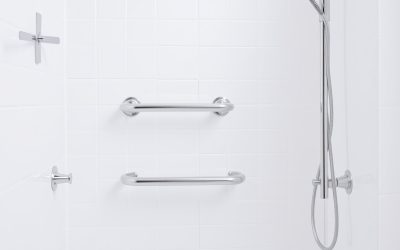
- Placement Height: For shower and tub use, the primary horizontal bar should be mounted 33 to 36 inches from the floor. Diagonal bars at 45-degree angles help with lowering and rising movements.
- Bar Length: Longer bars (24 to 42 inches) provide more gripping options and are safer for seniors who need to shift hand position during a transfer.
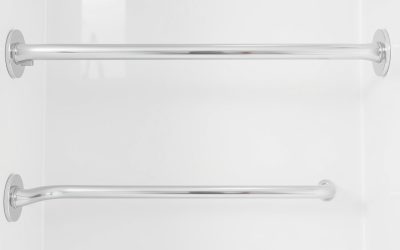
- Finish: Choose a non-slip, textured finish rather than a polished surface — chrome looks sleek but can be slippery when wet.
Top Picks for Seniors
Moen Home Care Designer Grab Bar (24-inch)
Moen is a trusted plumbing and accessories brand, and their Home Care grab bars are designed to look like premium bathroom hardware rather than medical equipment. The 24-inch stainless steel bar features a textured grip zone in the center, a 500-lb weight rating when properly mounted, and a stylish finish. It comes with a mounting template and all hardware included.
As an Amazon Associate we earn from qualifying purchases at no extra cost to you.




WINGITS Heavy-Duty Grab Bar Anchor Kit
For situations where studs aren't in the right location, WINGITS anchors provide a secure mounting solution rated for up to 500 lbs in drywall or tile. The kit includes all hardware needed to install a standard grab bar anywhere on the wall without hitting a stud. This is an ideal product to pair with any grab bar for maximum installation flexibility.
Franklin Brass Grab Bar (42-inch, Textured)
Franklin Brass offers an affordable, ADA-compliant 42-inch grab bar with a textured grip surface for wet environments. It is crafted from steel with a rust-resistant finish and includes mounting hardware. The longer length makes it ideal for shower walls and alongside the toilet, giving seniors a wide range of hand positions for different movements.
Choosing Grab Bars and the Right Placement
Effective grab bar installation begins long before any drilling, with selecting the right bars and deciding where they go. Choose bars rated to support a substantial body weight and made of corrosion-resistant material like stainless steel, with a textured grip that stays secure in wet, soapy hands. Length and orientation should match the task: a horizontal bar steadies someone who is standing, a vertical bar helps with stepping in and out or sitting and rising, and an angled bar can assist with both. Placement should follow where the person naturally reaches, commonly near the tub or shower entry, beside the toilet, and along the wall where they stand or sit, at a height suited to their reach.
Visibility and avoiding unsafe substitutes also matter. High-contrast or colored bars are easier to see for those with low vision, reducing fumbling in a wet environment. It is crucial never to rely on a towel bar, soap dish, or shower head arm for support, since those are not built to bear weight and can break away under a sudden grab. Taking the time to choose suitable bars and plan their positions for the specific individual lays the groundwork for a bathroom that is genuinely safer to use every day.
Installing Grab Bars Securely and Correctly
The single most important rule of grab bar installation is that the bar must be anchored to something strong enough to hold a person’s full weight. That means securing it into wall studs or solid blocking behind the wall, not into tile or drywall alone. Locating the studs first, then positioning the bar so its mounting holes line up with them, gives the strongest hold. Where a stud is not available at the needed spot, heavy-duty anchors rated specifically for grab bars can be used, but only if installed exactly as the manufacturer directs. Sealing around the mounting plates keeps water out of the wall and protects the hold over time.
Because a grab bar that pulls loose is worse than none at all, many people have a qualified handyman, contractor, or occupational therapist perform or check the installation, particularly in tiled walls where drilling and waterproofing demand care. After mounting, test each bar with a firm pull before relying on it, and recheck the bars periodically to confirm they stay tight. Grab bars are most effective as part of a broader safety setup that may include a non-slip mat, a shower seat, and good lighting. If balance or mobility is a concern, a doctor or physical therapist can advise where bars will help the person most.
Frequently Asked Questions
Can I screw a grab bar into drywall or tile alone?
No. A grab bar must anchor into wall studs or solid blocking, or use heavy-duty anchors rated specifically for grab bars and installed per the instructions. Drywall or tile alone cannot reliably hold a person’s weight.
How do I find the studs for mounting a grab bar?
A stud finder helps locate the wood framing behind the wall. Position the bar so its mounting holes align with the studs. If no stud is where you need it, use grab bar-rated anchors exactly as directed, or consult a professional.
Where should grab bars be installed in a bathroom?
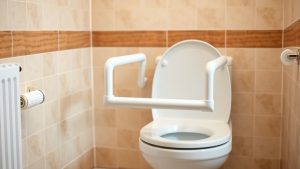
Common spots are near the tub or shower entry, beside the toilet, and along the wall where the person stands or sits, at a height matching their reach. An occupational therapist can recommend placement for an individual.
Is it better to hire a professional to install grab bars?
Many people do, especially in tiled walls where drilling and waterproofing matter. A qualified handyman, contractor, or occupational therapist can ensure the bars are mounted securely and positioned correctly.
Final Thoughts
Installing grab bars correctly is just as important as choosing the right product. When in doubt, hire a licensed handyman or contractor who is familiar with ADA bathroom modifications to ensure the installation will hold under real-world use. Always have a healthcare provider or occupational therapist evaluate placement before the bars are permanently installed.
Related Reviews & Guides



Grab Bar Shower Bathroom Senior Review

Bathroom Safety Essentials for Aging in Place