Last Updated: September 4, 2026
Threshold ramps are the unsung heroes of aging in place. That half-inch strip of metal or wood at the bottom of a doorway — barely noticeable to a steady walker — becomes a genuine barrier the day a walker, cane, wheelchair, or shuffling gait enters the picture. Door thresholds and small steps are among the most common trip points in the home, and a hard rubber or aluminum threshold ramp converts each one into a smooth, gradual transition. Ramps matter for caregivers too: pushing a wheelchair over a raised sill jolts the rider and strains the pusher’s back. The fix is inexpensive, tool-free in most cases, and immediate. If a recent fall, surgery, or new mobility aid prompted your search, it is worth asking an occupational or physical therapist to walk the home with you — they spot hazards that family members overlook. Here are the best threshold ramps for doorways, walkers, and wheelchairs, plus how to measure so the ramp fits right the first time.
Top Picks: Best Threshold Ramps
SCITOO Aluminum Threshold Ramp (600 lb Capacity)
This SCITOO ramp is a lightweight aluminum platform with an anti-slip surface and a 600-pound rating that comfortably covers a powered wheelchair plus rider. Aluminum’s advantage is portability: it can move between the front door and the patio slider as needed. The wide deck suits doorways and sliding-door tracks alike.
As an Amazon Associate we earn from qualifying purchases at no extra cost to you.


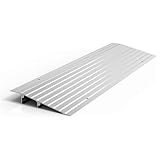

Ruedamann 32″ x 16″ Aluminum Threshold Ramp
Ruedamann is one of the most trusted names in home accessibility ramps, and this anti-slip aluminum model shows why: sturdy construction, a generous 32-inch width, and a surface that grips shoes, walker tips, and wheels in wet weather. It works for wheelchairs, scooters, rollators, and even garden carts. A great pick for main entrances that see daily traffic.
VEVOR 3″ Rise Rubber Threshold Ramp
Cut from heavy solid rubber with a textured top, the VEVOR ramp simply does not slide, rattle, or dent. Rubber ramps excel outdoors: they shrug off rain, sun, and freeze-thaw cycles, and their massive load rating means a riding mower will not faze them. The 35.6-inch width spans wide doorways and garage steps.
Towallmark 4″ Rise Rubber Threshold Ramp with Cord Channels
The Towallmark handles taller transitions — up to a 4-inch rise — making it the pick for garage steps, raised landings, and tall door sills. Three built-in channels route extension cords or hoses underneath without creating a new trip hazard, a thoughtful touch. Solid rubber construction keeps it planted under power chairs and scooters.
Candockway 3″ Rise Threshold Ramp
A straightforward, heavy-duty rubber ramp with a non-slip surface and a portable one-piece design, the Candockway is the value workhorse of the group. It needs no assembly and no fasteners — set it against the step and it is ready. Ideal for equipping a second entrance or a frequently visited relative’s home without fuss.
How to Measure and Choose the Right Threshold Ramp
Measure the rise first: the vertical height from the lower surface to the top of the threshold or step. Your ramp’s rated rise should match it closely — a ramp that is too tall creates a new lip, and one too short leaves a bump at the top. Next, measure the doorway width and the available flat space in front of it, since taller rises need longer ramps to stay gentle. The general accessibility guideline is the gentler the slope the better, especially for manual wheelchair users and anyone self-propelling; an occupational therapist can tell you what slope the specific user can manage safely.
Material is the next decision. Solid rubber is heavier, absolutely stable, weatherproof, and kinder when (not if) a toe kicks it — but moving it regularly is a two-hand job. Aluminum is light enough to reposition daily and stronger per pound, but cheap aluminum can shift on smooth floors if not anchored, so look for anti-slip surfaces and consider securing main-entrance ramps. Indoors, low-profile rubber usually wins; outdoors and for tall rises, both work well if rated for the weight of user plus mobility device plus a pushing caregiver.
Threshold Ramps in a Whole-Home Fall Prevention Plan
A ramp fixes one hazard, but trip points travel in packs: loose rugs, dim hallways, cluttered walkways, and tricky bathrooms. Pair your ramp purchase with a walk-through using our bathroom safety checklist and consider outdoor motion sensor lights so nighttime entries are never made blind. Building steadiness helps too — our guides to balance exercises and choosing and using a walking cane complement the hardware fixes.
Match the ramp to the mobility aid it serves. Users of hemi walkers and standard walkers need the full ramp width clear of door swing; scooter and power chair users need the higher weight ratings of the rubber models. Inside the home, the same less-bending philosophy continues with reacher grabber tools and power lift recliners. For loved ones living alone, a remote monitoring system adds a safety net behind all the physical upgrades.
Threshold Ramp Comparison
| Model | Material | Rise Range | Portability | Best For |
|---|---|---|---|---|
| SCITOO | Aluminum | Low threshold | Very easy to move | Multi-door households |
| Ruedamann 32″ x 16″ | Aluminum | Low-medium threshold | Easy to move | Busy main entrances |
| VEVOR 3″ | Solid rubber | 3-inch step | Heavy, stays put | Outdoor steps, heavy devices |
| Towallmark 4″ | Solid rubber | 4-inch step | Heavy, stays put | Garage steps, cords underneath |
| Candockway 3″ | Solid rubber | 3-inch step | Moderate | Budget second entrance |
Frequently Asked Questions
What slope is safe for a senior using a walker or wheelchair?
Gentler is always safer. The widely used accessibility benchmark is roughly one inch of rise per foot of ramp length for independent wheelchair use; steeper can work for short thresholds with assistance. For a specific user, a physical or occupational therapist can assess what slope they can manage confidently — strength, balance, and the device all factor in.
Do threshold ramps need to be fastened down?
Heavy solid-rubber ramps generally stay put by weight alone on clean, dry surfaces. Lightweight aluminum ramps at a main entrance benefit from anchoring or at minimum a rubber-backed grip surface, because any shift under a wheel or cane tip defeats the purpose. Always test by pushing the empty ramp before first use.
Will a threshold ramp work on both sides of a door?
Often you need two — one for each side of a raised threshold — so the wheel or foot transitions smoothly in both directions. Measure each side separately; interior and exterior floor heights frequently differ, especially at entry doors and patio sliders.
Rubber or aluminum — which lasts longer outdoors?
Both handle weather well, but solid rubber is essentially immune to it: no corrosion, no dents, and it stays grippy when wet. Aluminum lasts for years too and is far easier to reposition. Choose rubber for permanent outdoor spots and aluminum where flexibility matters.
Does Medicare pay for threshold ramps?
Original Medicare typically treats ramps as home modifications rather than durable medical equipment, so coverage is uncommon. Some Medicare Advantage plans, state Medicaid waivers, and veterans’ programs do offer home accessibility benefits. It never hurts to ask your plan and your area’s Agency on Aging about grant programs before paying out of pocket.
Related Reviews & Guides



6 Best Mobility Scooter Useds For Sale 2026

Walker Tray Bag Organizer